Galle
A south-coast city anchored by the UNESCO-listed Old Town of Galle and its Fortifications, distinct from a wider beach-route stop.
Stay in Unawatuna if swimming matters more: Galle Fort, the UNESCO-listed old town, is not a beach town itself, and Unawatuna's beach is a short ride away. UNESCO's listing for the Old Town of Galle and its Fortifications, re-read on 15 October 2026, still describes a fortified town that retains residential and public uses. This page does not publish a sourced kilometre figure for Galle to Unawatuna.
Galle is worth adding when the Old Town of Galle and its Fortifications is a real priority, or when the city provides a deliberate heritage stop within a south-coast route. The city and the Fort are related but not identical search intents: this page helps place Galle in an itinerary, while the place page explains the World Heritage property.
Begin with the UNESCO old town
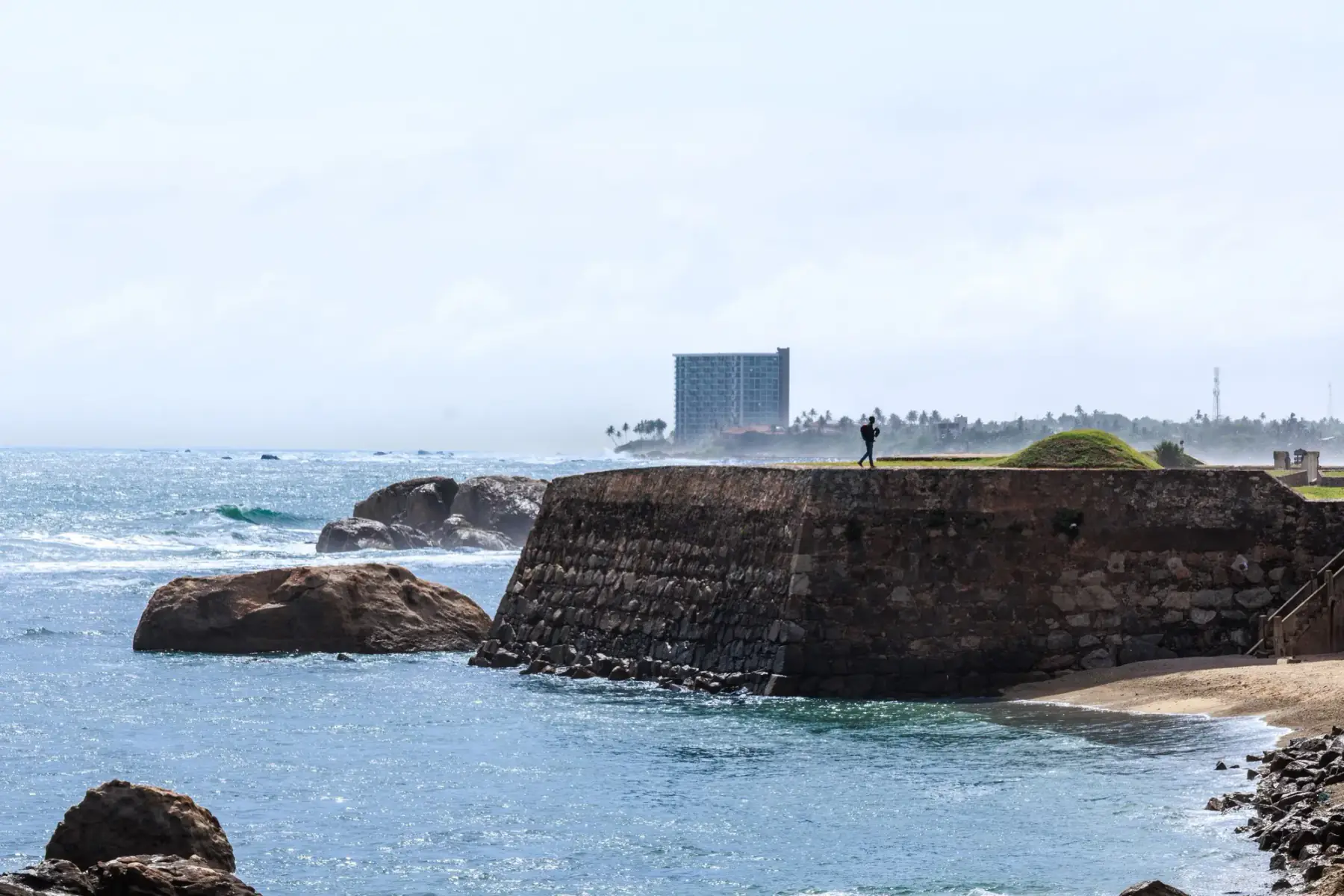
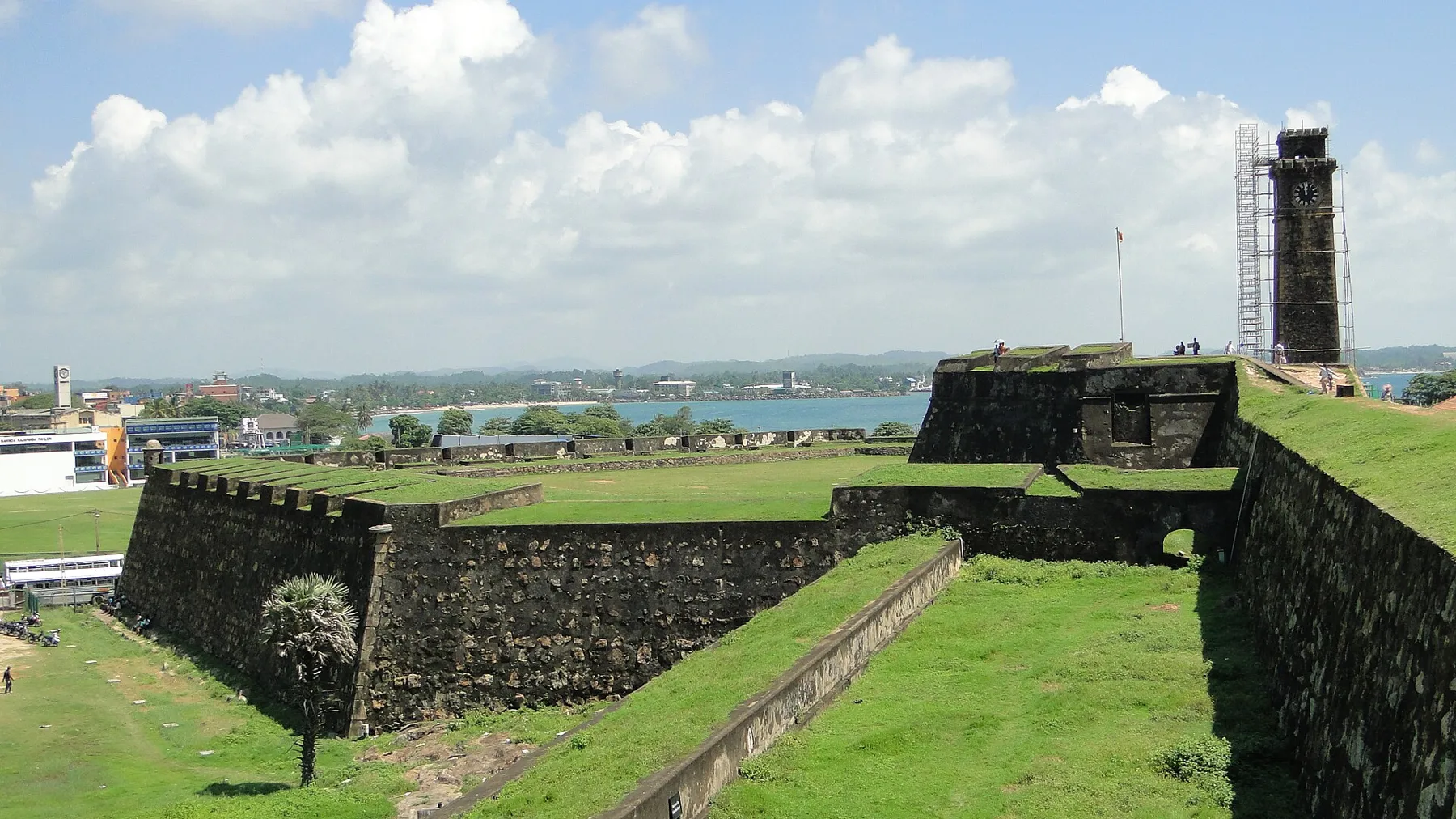
UNESCO describes Galle as a fortified town founded by the Portuguese in the 16th century and developed most fully under Dutch rule in the 18th century. Its significance lies in the interaction between European planning and fortification practices and South Asian architectural traditions. The property still has residential and public uses, so treat it as a living urban place rather than a museum set.
Decide what kind of Galle stop you want
- Heritage-first: make the old town, street plan and fortifications the centre of the visit.
- City plus coast: keep the heritage visit distinct from any beach or marine activity, then check current conditions for the chosen coastal destination.
- Wider south-coast route: use the south-coast region guide to compare Galle with destinations whose primary purpose is the beach, surfing or marine activity, including Mirissa and Hiriketiya.
This site does not claim a universal number of hours for Galle. The right depth depends on whether you want a focused heritage walk, time inside specific buildings, or a broader city stay.
What to verify
Check current access and opening details for any museum, church, mosque, temple, lighthouse area or commercial venue you plan to enter. Respect active religious spaces and private property. Weather and coastal conditions should be checked separately; UNESCO status does not establish that a marine activity is suitable on a given day.
Continue the route deliberately
If Galle is mainly a heritage stop, link it to other cultural heritage priorities. If the coast is the main goal, compare the actual beach destination and activity instead of using “Galle” as a catch-all label for the entire south coast. Our south coast itinerary starts with two nights in Galle, then continues east to Mirissa, Hiriketiya and Tangalle over 5, 7 or 10 days.
Choose Galle for the fortified town
Galle is most distinct as a base for the Old Town and its Fortifications. The protected area is a living town with homes, businesses and religious institutions, not a closed monument complex. Staying nearby can make sense when the traveller wants to understand that urban fabric at different times of day rather than make a rushed photo stop.
Read the fort as a whole town
Start with the Galle Fort guide and choose a walking sequence that connects fortifications, streets and a small number of buildings. Check opening hours individually; the ramparts and streets do not prove that a museum, church or other interior is open.
Separate Galle from the beach decision
Galle can anchor a south-coast route, but it is not a substitute name for every nearby beach. If swimming, surfing or resort time is the main objective, select the exact coast and beach based on current conditions. If heritage is the main objective, keep Galle at the centre and treat beach time as a separate decision.
For a beach base close to the fort, Unawatuna is about 5 km away, and Weligama is the beginner surf bay further east. For a slow week based on this coast, see the 7-day wellness itinerary.
Plan respectful access
Religious buildings within the fortified town remain active institutions. Follow posted rules and local guidance for clothing, services and photography. The sacred-site guide provides preparation without pretending that one rule covers every building.
Place Galle in the wider route
The South Coast region page connects Galle with Hikkaduwa, Mirissa and Tangalle. Do not add all of them simply because they share a coastline. Choose the next base by the activity and onward transfer that matter most.
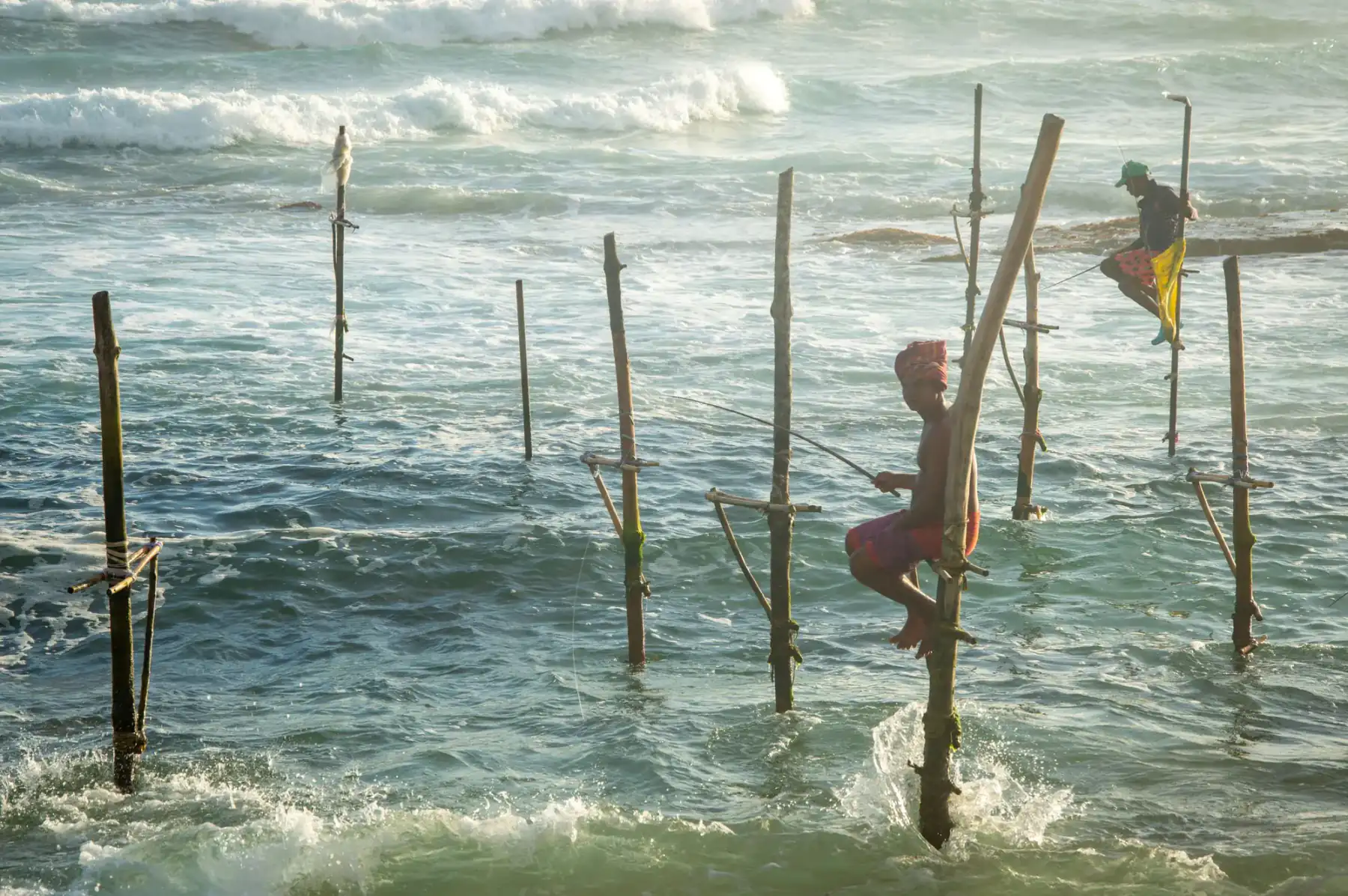
A short way east, Koggala adds a lagoon boat trip, stilt fishing and the Martin Wickramasinghe museum to a Galle stay.
Coming from Colombo for a short break? Our Colombo, Galle and Mirissa weekend plans two days with train fares and road times.
Choosing a base? Our Galle vs Unawatuna guide compares the fort and the beach 5 km away, and Ambalangoda is about 32 km north for traditional masks.
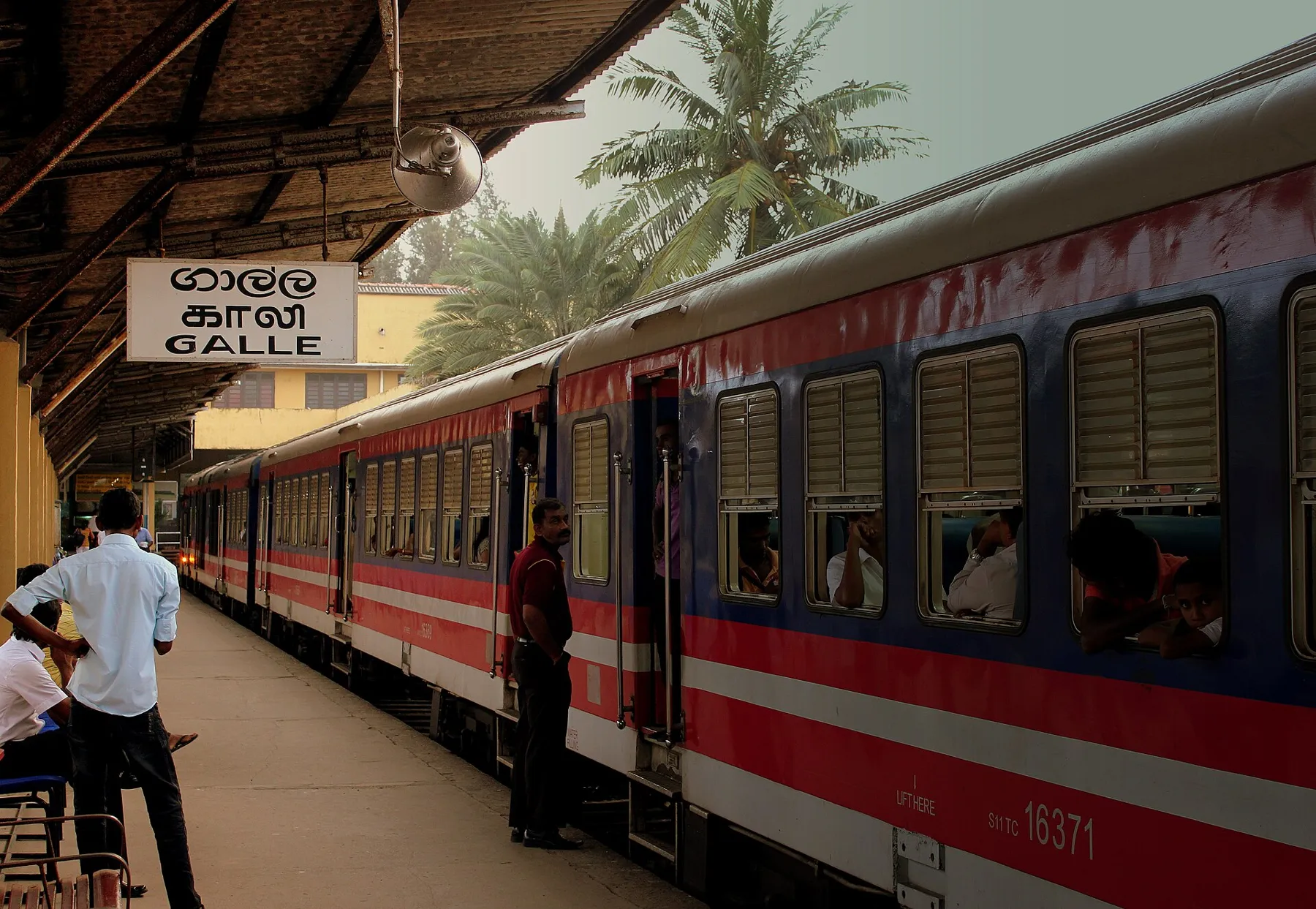
Coming by rail? The Colombo to Galle train guide lists the official fares on the Sri Lanka Railways fare table dated July 2022, still the published table on 23 October 2026 (Rs 950 in 1st class, Rs 500 in 2nd and Rs 240 in 3rd from Colombo Fort) and the Galle seat reservation office.
Frequently asked questions
Should I stay in Galle or Unawatuna?
Stay in Unawatuna if swimming matters more: Galle Fort, the UNESCO-listed old town, is not a beach town itself, and Unawatuna's beach is a short ride away. Stay in Galle when the fortified town is the point of the stop. This page does not publish a sourced road distance.
Is Galle a beach town?
No. UNESCO describes the Old Town of Galle and its Fortifications as a fortified town that still has residential and public uses. Treat beach time as a separate decision, such as Unawatuna a short ride away, and check sea conditions on the day.
Is Galle Fort a UNESCO World Heritage site?
Yes. UNESCO lists the Old Town of Galle and its Fortifications. The property is a living town with homes, businesses and religious institutions, not a closed monument complex. See the Galle Fort place page for the walls and what to verify on the day.
What is Galle best for?
The UNESCO old town and fortifications, as a heritage stop on a south-coast route. Pick Mirissa if whale-watching boats are the main reason, or Hiriketiya for a compact surf bay. Compare them in the south coast guide.
Sources
Last verified 2026-10-15
Plan your Galle trip
Ahangama Weather in December: Swell, Heat and Crowds
What December is like in Ahangama: Galle station rain days and temperatures, sunrise and sunset by date, the surf season, and when the south coast gets busy and costly. Checked 24 October 2026.
Ahangama to Galle: train, bus and tuk-tuk
How to get from Ahangama to Galle: a decision table, the 20 km road and rail gap, the NTC normal-bus fare worked out from the stage table, and what we could not confirm. Checked 24 October 2026.
Best Time to Visit Sri Lanka, Month by Month
Choose when to visit Sri Lanka by matching your route to four broad rainfall seasons, then confirm the forecast for your actual destinations.
Colombo Airport to Galle and Mirissa
From Bandaranaike International Airport to Galle, Mirissa and the south coast by expressway bus or private car. Official NTC expressway bus fares checked 15 October 2026.
Colombo Airport to Hikkaduwa
Colombo airport to Hikkaduwa: about 141 km and 1 h 57 min with no traffic, the airport taxi counter's fixed fare card, bus 187 plus a Galle Road bus, the expressway exit and how Hikkaduwa compares with Galle as a first night. Checked 27 October 2026.
Colombo to Galle by train
The coast line from Colombo Fort to Galle and on to Mirissa and Matara: official fares by class for nine stations, what the railway's notices say about the line today, how seat reservation works, and how the train compares with the bus and the road. Checked 23 October 2026.
How to get from Colombo to Unawatuna
How to get from Colombo to Unawatuna: coast line train to its own station, bus to Galle and the last 5 km, a decision table by situation, official fares and what we could not confirm. Checked 24 October 2026.
Day trips from Colombo
Eight day trips from Colombo compared by road distance and time, official bus and expressway bus fares, and entry tickets: Negombo, Bentota, Galle, Hikkaduwa, Kandy, Pinnawala, Kitulgala and Sinharaja, plus which trips are too long for one day. Checked 24 October 2026.
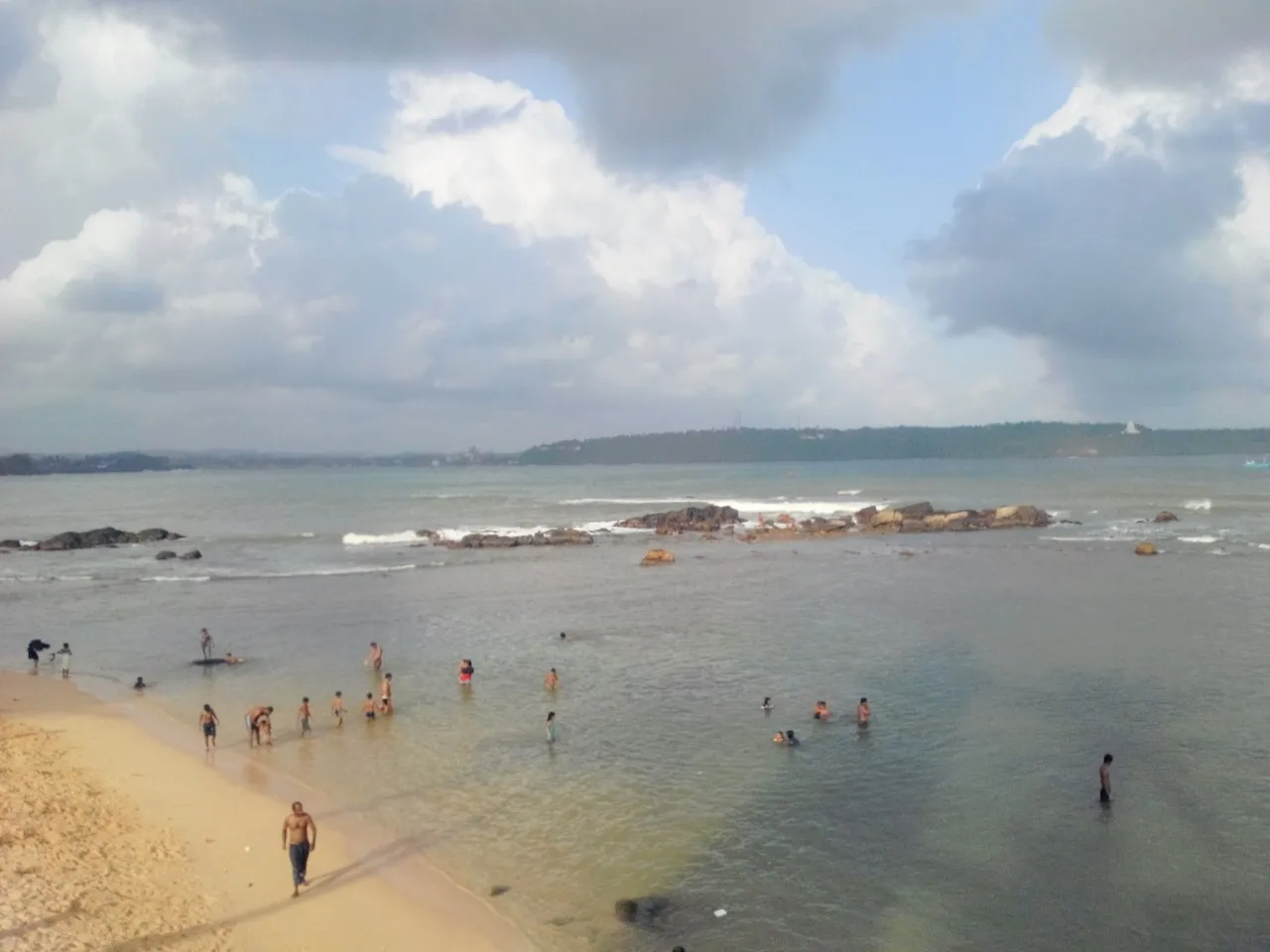
Galle vs Unawatuna: where to stay
Galle Fort or Unawatuna beach as a base? A side-by-side on what each is for, the 5 km between them, train fares, road times from the airport, rain by month and the Navy whale cruise from Galle Harbour. Checked 22 October 2026.
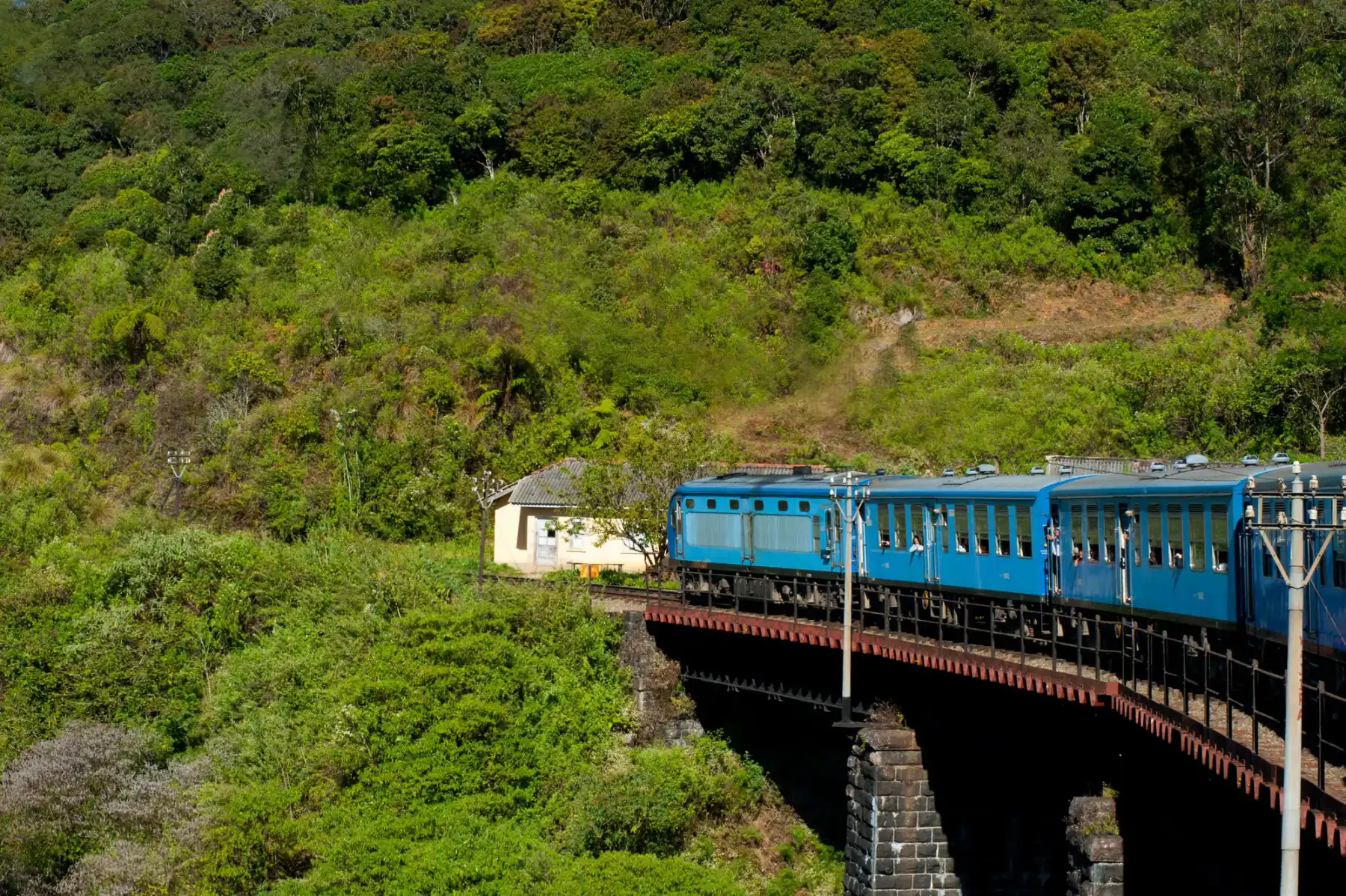
Getting Around Sri Lanka
Plan Sri Lanka transport by checking rail notices, official bus timetables and fares, and a route-specific fallback before each long transfer.
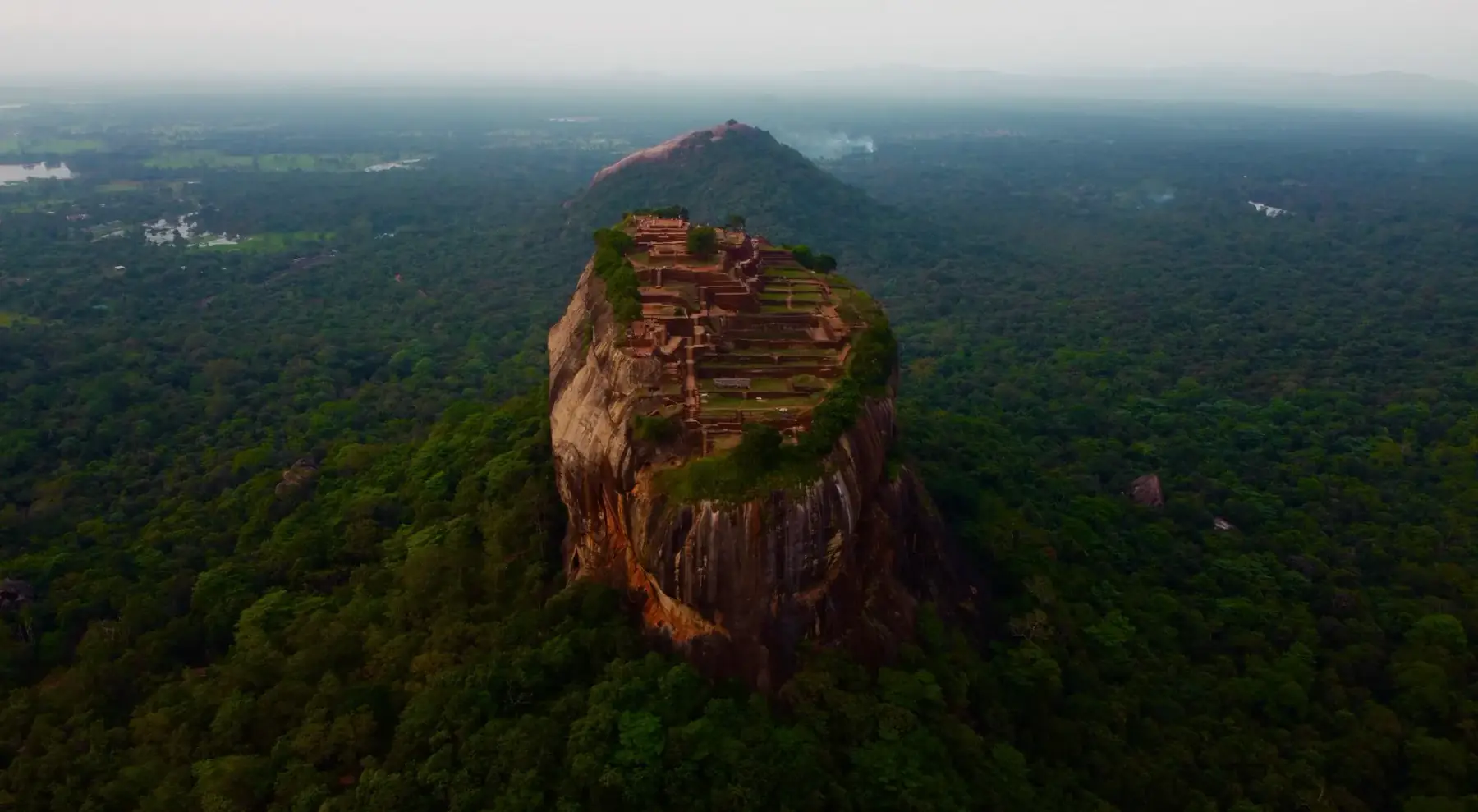
How Many Days Do You Need in Sri Lanka?
There is no universal minimum: choose trip length from the number of regions, transfer days and non-negotiable experiences you can verify.
Koggala to Galle: train, bus and tuk-tuk
How to get from Koggala to Galle: about 15 km by road, the NTC normal-bus fare worked out from the stage table, the rail gap, and a plan for stilt fishing then Galle Fort. Checked 24 October 2026.
Mirissa Weather in November: Rain, Swell, Whale Season
Mirissa in November: how wet it is on the long-term record, what the sea tends to do in the second inter-monsoon, when whale boats are scheduled, and how many rain days to plan for in a week. Checked 24 October 2026.
Mirissa to Galle: Train, Bus and Tuk-Tuk Compared
The short hop between Mirissa and Galle: about 34 km by road, 33.67 km by rail on the official fare table, plus how the train, bus, tuk-tuk and taxi compare and what to confirm on the day. Checked 24 October 2026.
Hiriketiya and Tangalle to Colombo: Bus, Train, Taxi
How to get back to Colombo or the airport from Hiriketiya, Tangalle, Mirissa and Galle: official NTC bus fares, coast line train fares from Colombo Fort, road distances and what to confirm on the day. Checked 24 October 2026.
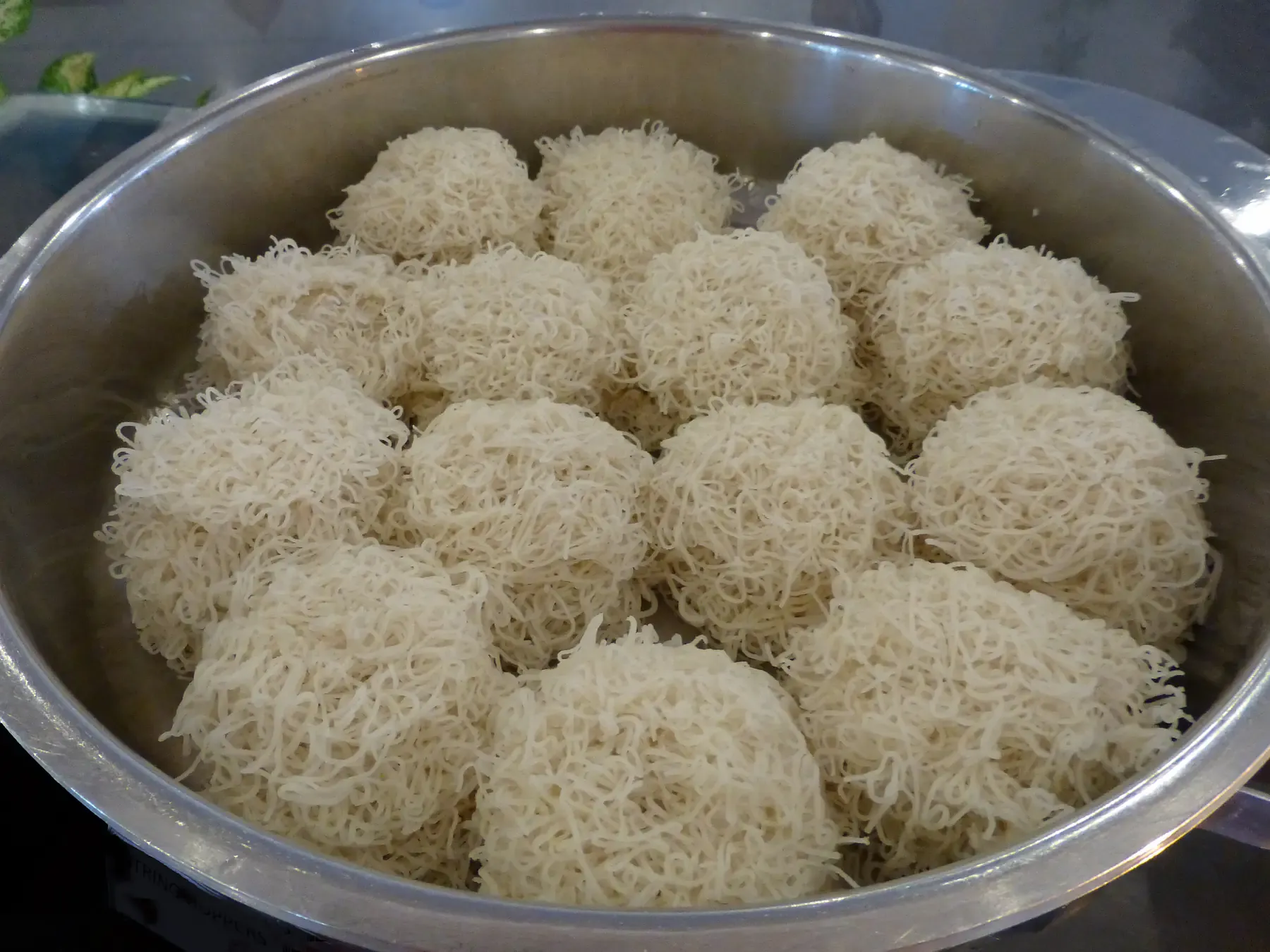
Sri Lankan dishes for first-timers
What to order on a first Sri Lanka trip: rice and curry, hoppers, string hoppers, kottu, mild versus spicy, and vegetarian plates, drawn from Sri Lanka Tourism. Checked 23 October 2026.
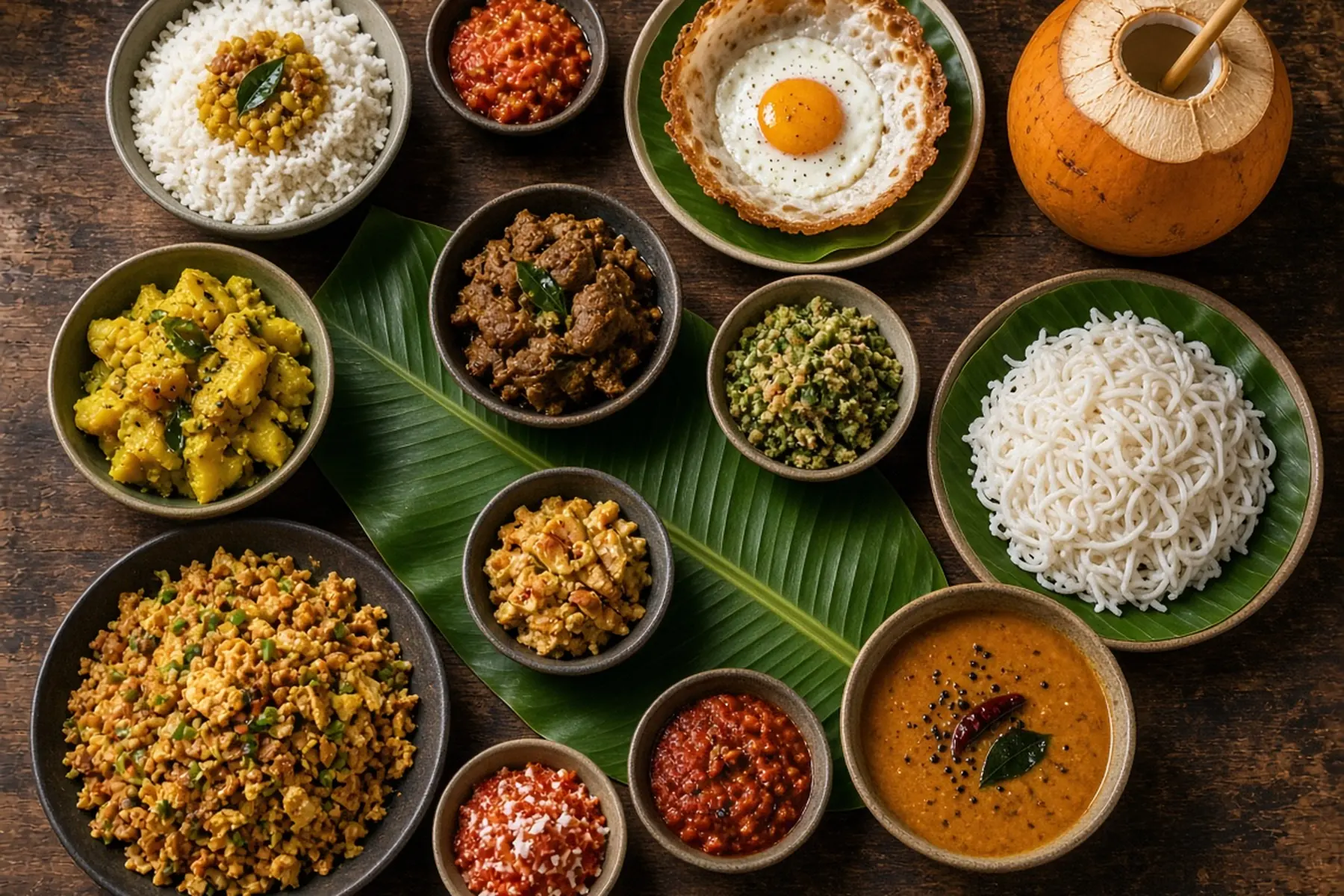
Sri Lankan Food Guide: Where and How to Eat by Region
A regional Sri Lankan food guide: what each region is known for, from Colombo and Kandy to the south coast, the east and Jaffna, and how eating out works. No restaurant rankings or prices. Checked 24 October 2026.
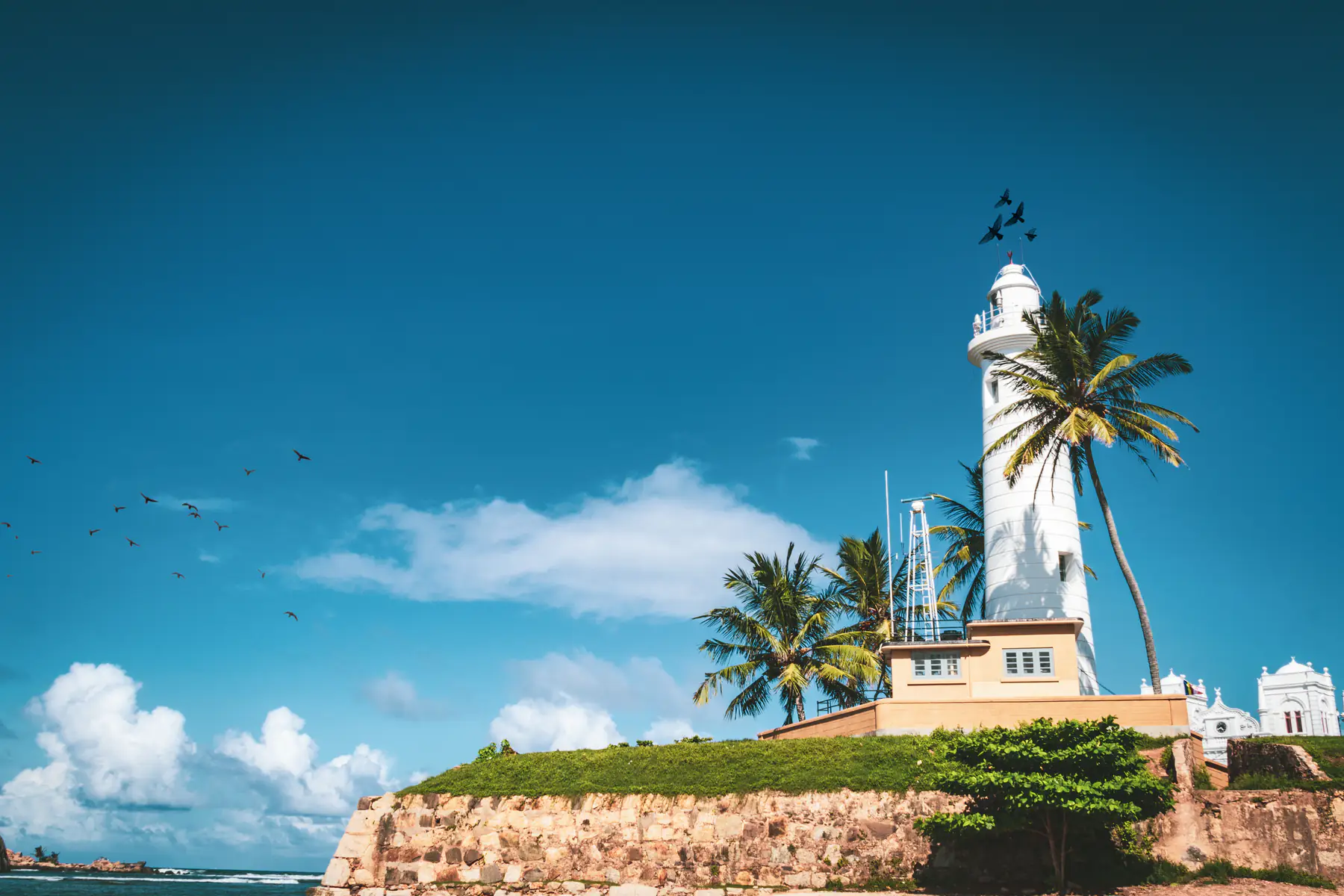
Sri Lanka in December
December starts the main season on Sri Lanka's south and west coasts and brings the north-east monsoon to the east. Weather by coast in C and F, Christmas and New Year planning, school holiday dates and sampled festive prices, checked 16 October 2026.
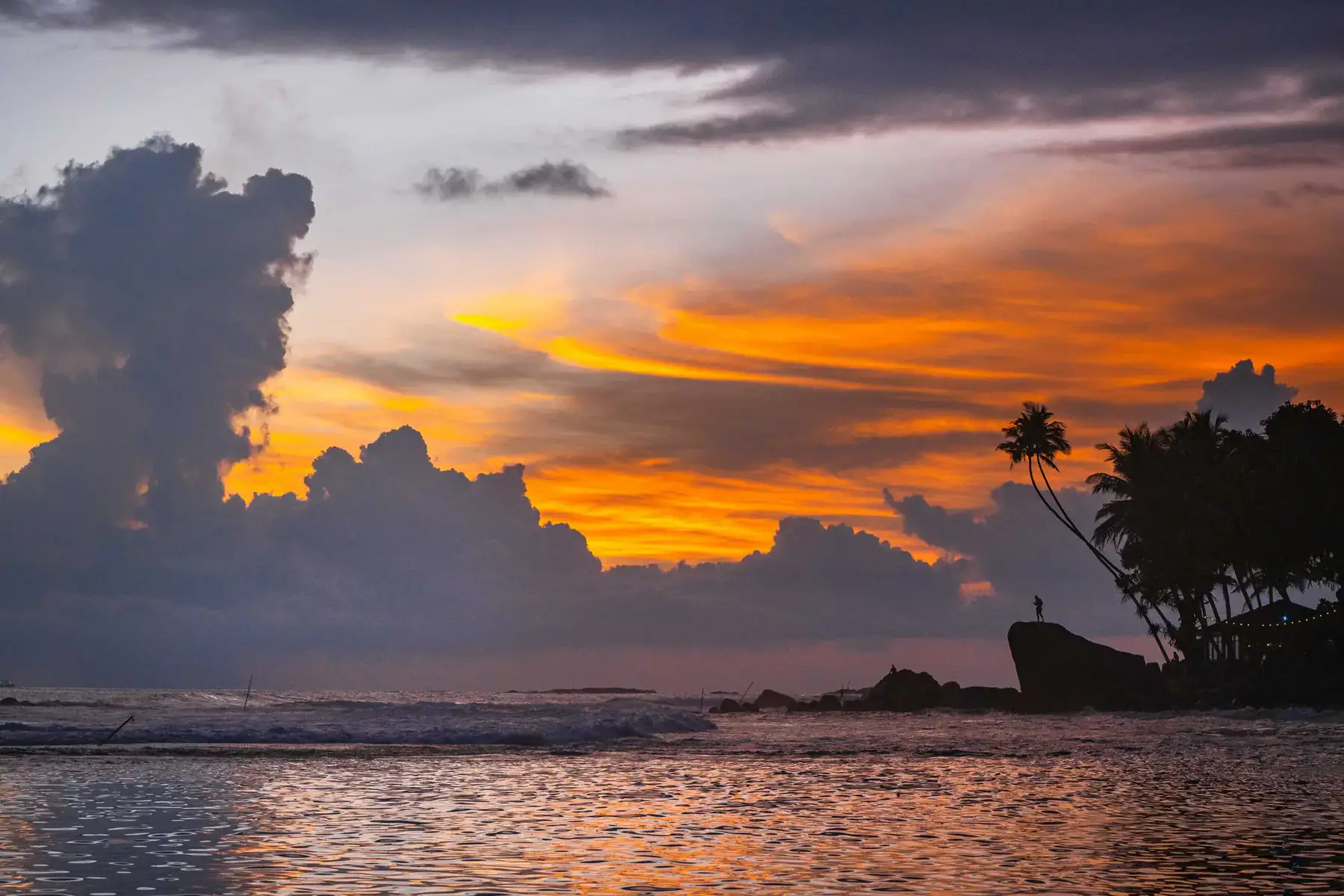
Sri Lanka in November
November is one of Sri Lanka's wetter months island-wide, and the Department of Meteorology expects above-normal rain in November 2026. How to plan around it, where to go, and what opens, checked 12 October 2026.
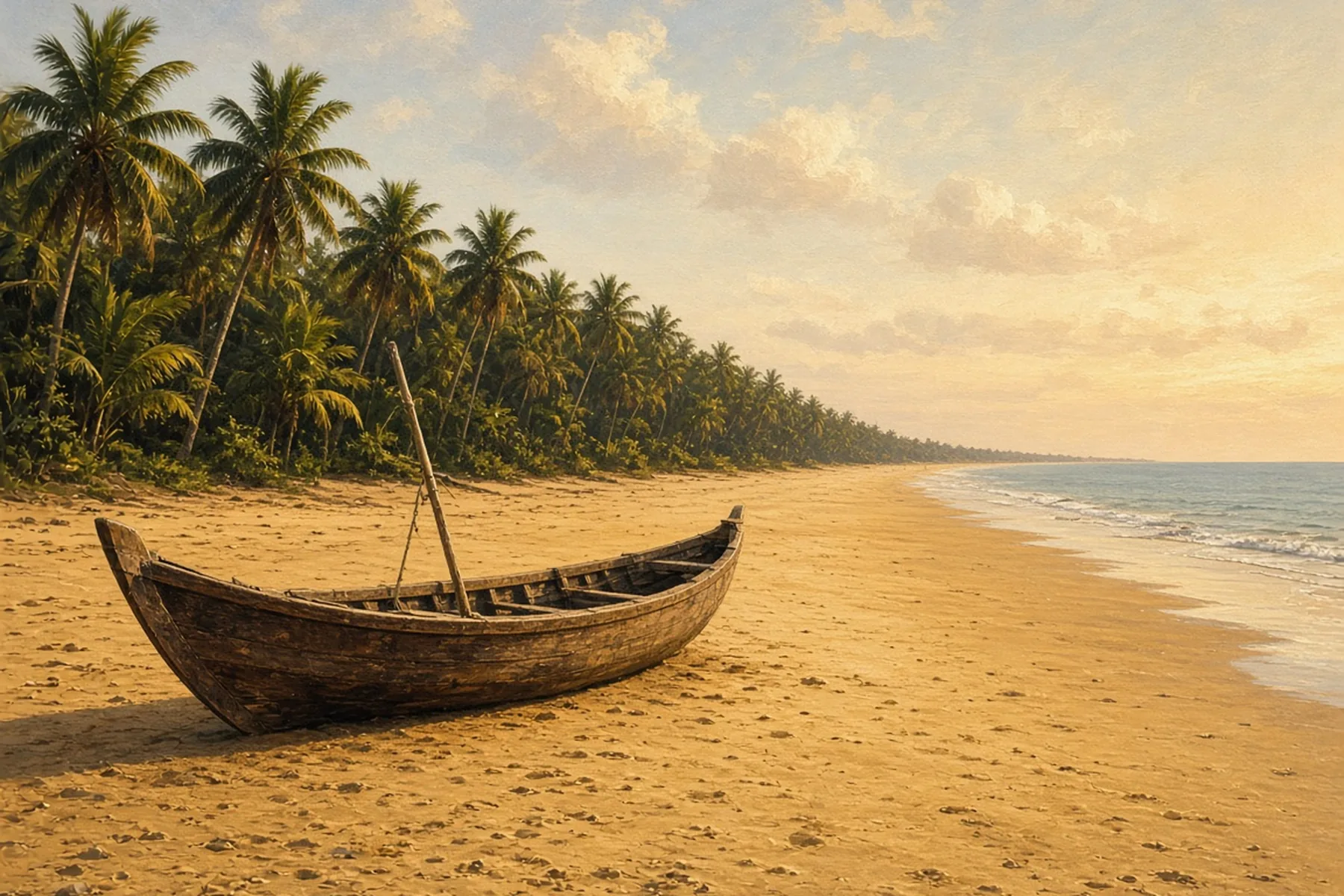
Tangalle to Galle: expressway, bus, train and taxi
Tangalle to Galle: 73 km, about an hour by the Southern Expressway, bus with a change at Matara, the Matara to Galle train, NTC route fares and what we could not verify. Checked 24 October 2026.
Unawatuna Weather in October: Rain, Sea, Swimming
Unawatuna in October: where the month ranks in the Galle year by rain days, why the bureau warns about currents until October, what a late-October day looked like on 24 October 2026, and what to do when the weather turns.
Unawatuna to Mirissa: train, bus and taxi compared
Unawatuna to Mirissa: 28 km by road or rail, every station on the line with distances, bus, taxi and tuk-tuk, whether to skip Galle and a sample day. Checked 24 October 2026.
Weligama Weather in December: Rain, Sea, Surf Lessons
Weligama in December: rain and rain days on the long-term record, how December compares with January to March, what beginner surf lessons cost and how schools handle a bad sea, and December holiday dates. Checked 24 October 2026.
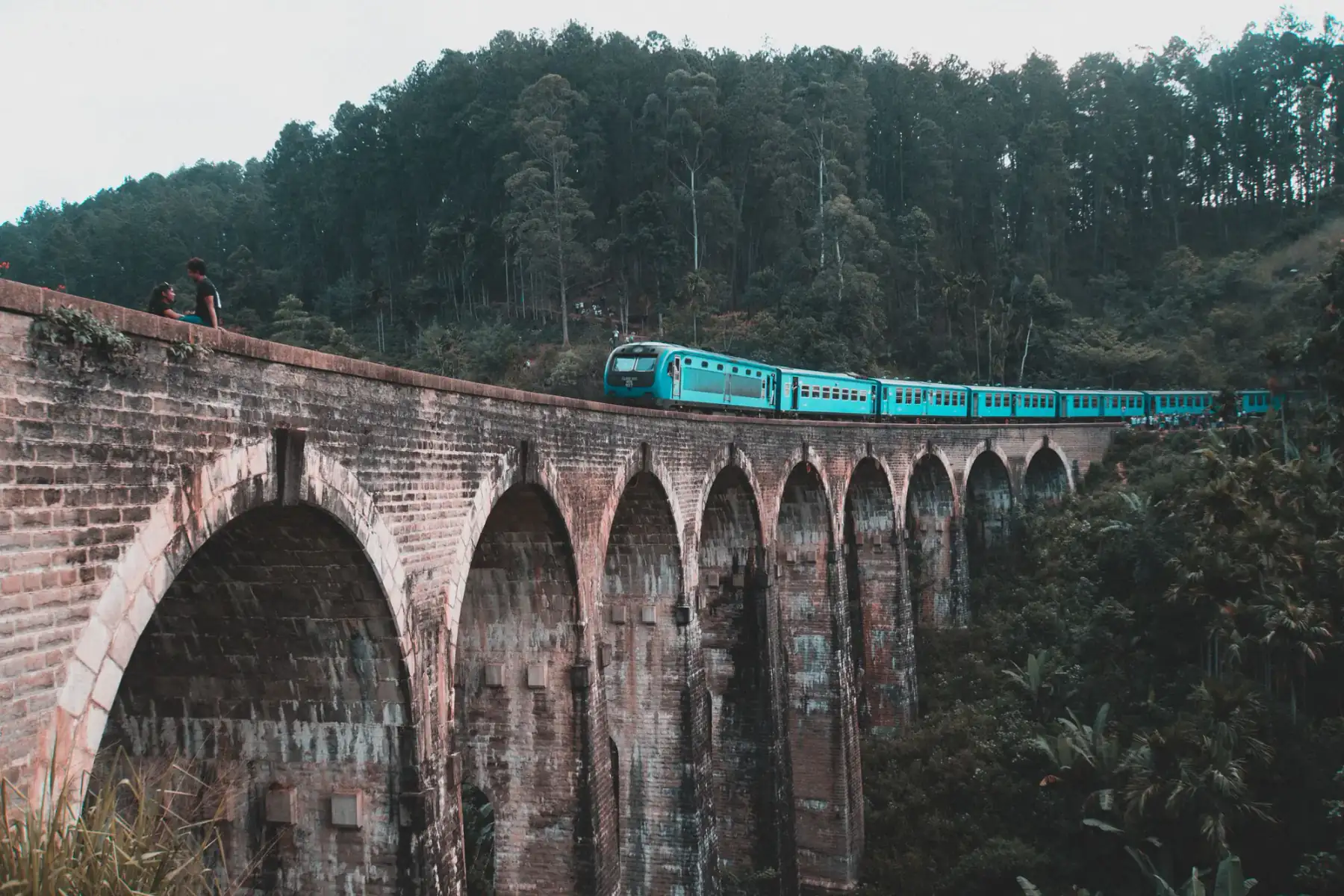
Classic Sri Lanka: South, Hills and Cultural Triangle
A day-by-day 10-day Sri Lanka itinerary: Sigiriya, Dambulla, Kandy, the Nanu Oya to Ella train, Galle and Mirissa, with dated ticket and fare costs checked 17 October 2026.
Colombo to Galle and Mirissa: A Weekend Trip
A two-day weekend from Colombo: Galle Fort on Saturday, a night in Mirissa and the beach on Sunday, then back to Colombo. Train fares by class from the Sri Lanka Railways fare table, road times from OpenStreetMap and the best months, checked 20 October 2026.
Hill Country and South Coast: 8-Day Itinerary
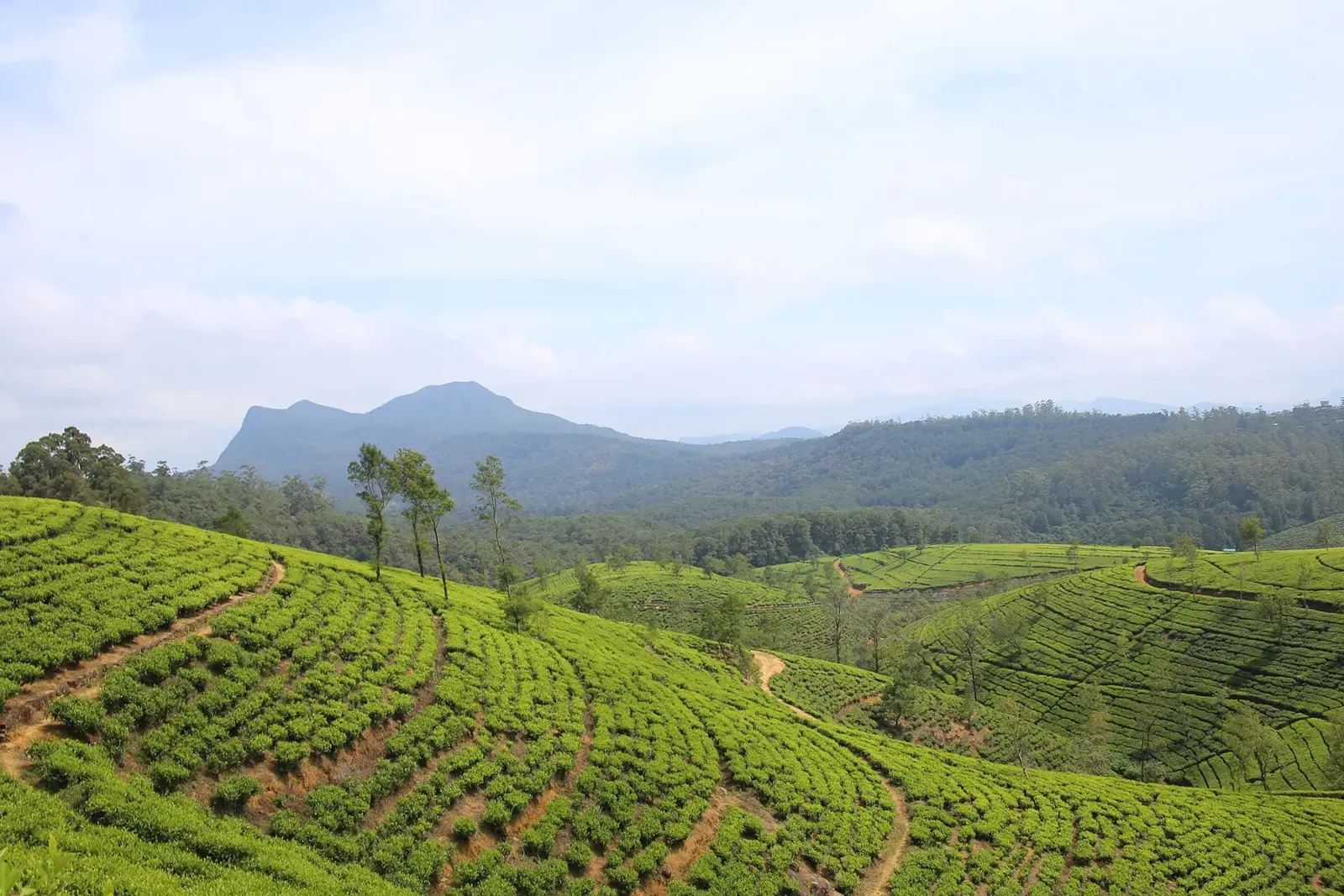
Eight days from Colombo airport to Kandy, Nuwara Eliya and Ella, then down to the south coast at Mirissa and Galle. Road times for every leg, rain by month for each stop, the Navy whale cruise price and a printable day plan. Checked 22 October 2026.
South Coast Sri Lanka: 5, 7 or 10 Days
A day-by-day south coast Sri Lanka itinerary for 5, 7 or 10 days, travelling east from Galle to Mirissa, Hiriketiya and Tangalle, with a Weligama surf day and an optional Yala safari. Bus fares and prices checked 15 October 2026.
14 Days in Sri Lanka for First Timers
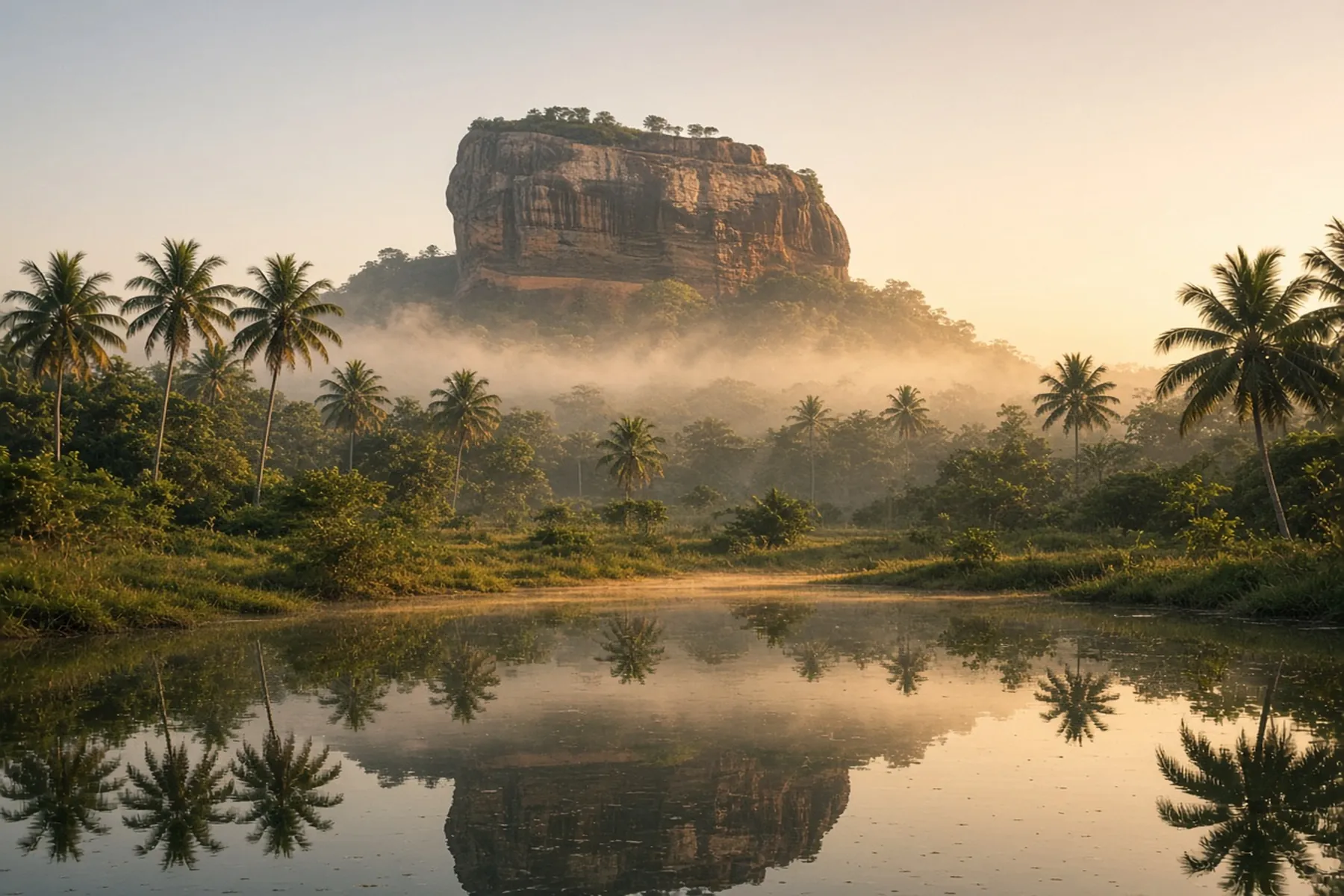
A relaxed 14-day first visit: Negombo or airport night, Sigiriya and Polonnaruwa, Kandy, Nuwara Eliya, Nanu Oya to Ella train or road, Ella, optional Yala, Mirissa and Galle. Skip-if-short callouts and a dated sample daily spend in GBP and USD. Checked 23 October 2026.
Sri Lanka and Maldives: 10 Days or 2 Weeks
A Sri Lanka and Maldives route for UK travellers and honeymooners: about six days in Sri Lanka and four in the Maldives on a 10-day trip, or nine and five over two weeks, with the island time at the end. Entry rules checked 11 October 2026.
Sri Lanka in 12 Days for First-Timers
A relaxed 12-day first trip to Sri Lanka: Sigiriya, Polonnaruwa and Dambulla, Kandy, Nuwara Eliya, the Nanu Oya to Ella train or road, Ella, Mirissa and Galle. Road times for every leg, official site and whale-watching prices, rain by stop and month, and what to do if the hill country train is not running. Checked 23 October 2026.
Sri Lanka Honeymoon: 10-Day Itinerary
A 10-day Sri Lanka honeymoon with no back-to-back long drives: Negombo, two nights at Sigiriya, Kandy, two nights in Ella and three on the south coast near Mirissa and Galle. Road times, 2026 ticket prices for two and the best months, checked 21 October 2026.
Sri Lanka by Public Transport in 14 Days
A 14-day Sri Lanka route by bus, with tuk-tuks for the last kilometre: Negombo, Kandy, Sigiriya, Dambulla and Polonnaruwa, Nuwara Eliya, Ella, Mirissa and Galle. Official National Transport Commission fares for every long leg, road times, how to ride the buses safely and what the 25 October 2026 rail suspension means for the hill country. Checked 26 October 2026.
Sri Lanka Solo in 10 Days
A 10-day solo route around Sri Lanka by bus and car: Sigiriya, Dambulla and Polonnaruwa, Kandy, Ella, Mirissa and Galle, with official bus fares for the long legs, road times, ticket prices and the UK government's safety advice for travelling alone, including emergency numbers. Checked 24 October 2026.
Sri Lanka Wellness: 7 Days on the South Coast
A slow 7-day wellness itinerary with one base in Weligama: a licensed Ayurveda programme or a surf-and-rest week, with short trips to Unawatuna, Galle Fort and, in season, Mirissa. Dated retreat prices checked 17 October 2026.
Two Weeks, Standard Pace
A day-by-day 2-week Sri Lanka itinerary: Sigiriya, Dambulla, Polonnaruwa, Kandy, Ella by the Nanu Oya train, a Yala safari, Galle and Mirissa, with dated ticket and fare costs checked 17 October 2026.
Places in Galle
Old Town of Galle and its Fortifications
UNESCO 1988 · HeritageA living fortified town whose World Heritage value reflects the interaction of European planning and South Asian architectural traditions.