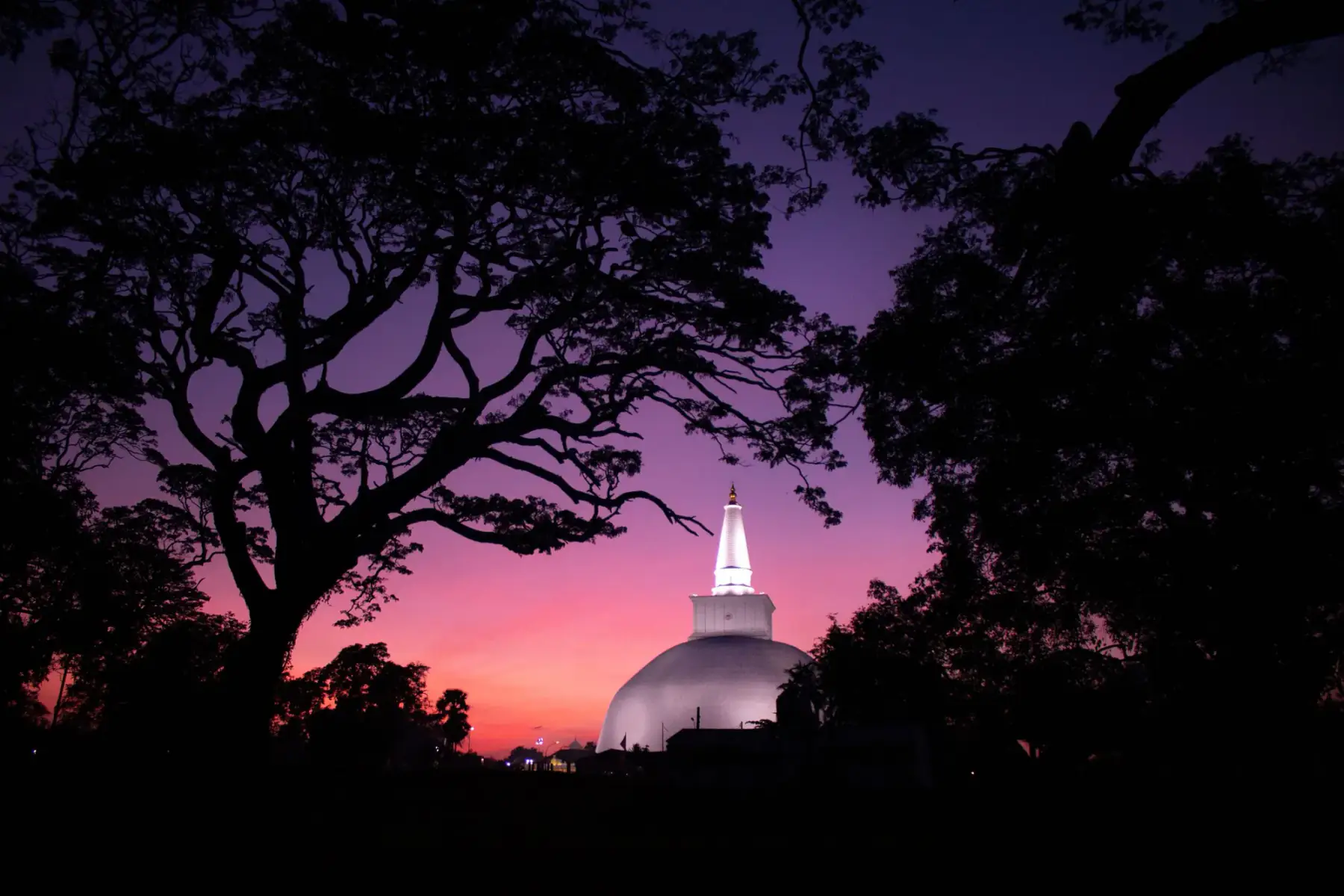
Inscribed 1982 · Cultural Triangle & North Central
Sacred City of Anuradhapura
A World Heritage sacred city established around a cutting from the Buddha's tree of enlightenment and shaped by centuries as a political and religious capital.
Sri Lanka has eight properties on UNESCO's World Heritage List: six cultural and two natural.
UNESCO currently records eight World Heritage properties in Sri Lanka: six cultural and two natural. This collection is generated from the site's UNESCO-tagged place records, so use it to compare the official set and open each property page rather than treating every heritage attraction as World Heritage-listed.
The properties are distributed across different parts of the country. Galle is on the southwest coast; the Central Highlands is a serial natural property; Sinharaja is a rainforest property; and the cultural sites span Kandy and several ancient-city locations. Do not compress them into one geographic cluster.
UNESCO's Sri Lanka page separately records properties on the Tentative List. A Tentative List entry is a property the State Party may consider for nomination; it is not an inscribed World Heritage property. Check UNESCO's current country page before describing a proposed site as listed.
World Heritage inscription does not provide one ticket, fixed opening hours or unrestricted access across all eight properties. Each place has its own management, religious context, physical demands and current conditions. Use the linked property pages, then verify operational details with the responsible official authority.
Sigiriya's informal “eighth wonder” label is also not a UNESCO designation. The Sigiriya fact check explains the distinction.
Sri Lanka has eight properties on UNESCO's World Heritage List: six cultural and two natural. That designation identifies heritage significance; it does not create one ticket, route or visitor experience. Use the official UNESCO property record to confirm the listed name and boundaries, then use the relevant managing authority for current access.
The properties are spread across different regions and require different levels of time, mobility and preparation. Group the Cultural Triangle sites through the north-central regional guide, connect Kandy only when the route supports it, and plan Galle with the south coast. The natural properties belong in separate weather- and access-led decisions.
Check official opening arrangements, tickets, conservation notices and ceremony restrictions. UNESCO records are authoritative for inscription details, but they are not a live operating feed for every entrance or facility.
A World Heritage sacred city established around a cutting from the Buddha's tree of enlightenment and shaped by centuries as a political and religious capital.
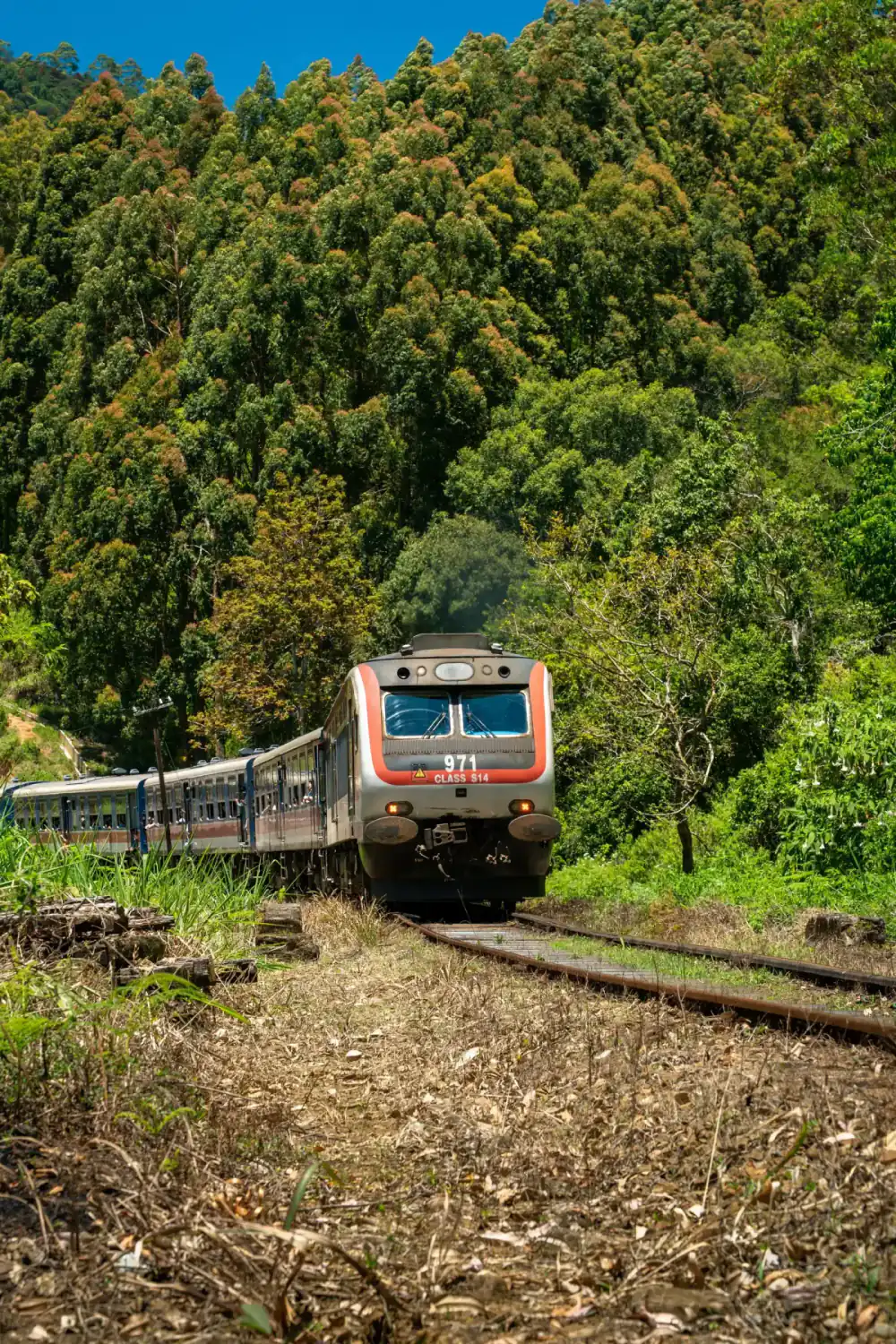
A serial UNESCO World Heritage property comprising Peak Wilderness, Horton Plains and Knuckles Conservation Forest.
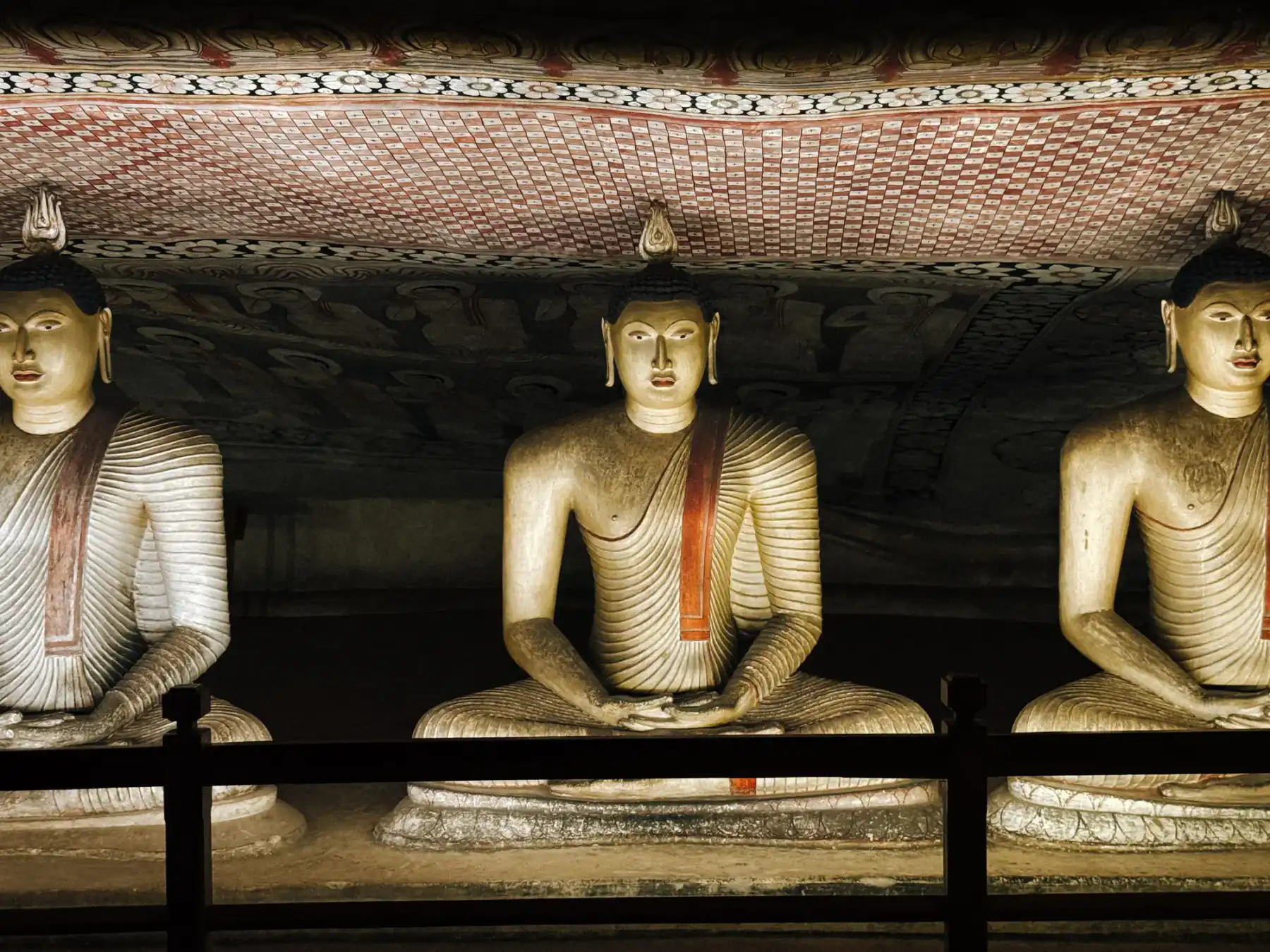
A living Buddhist pilgrimage site organised around five cave shrines, inscribed on the World Heritage List in 1991.
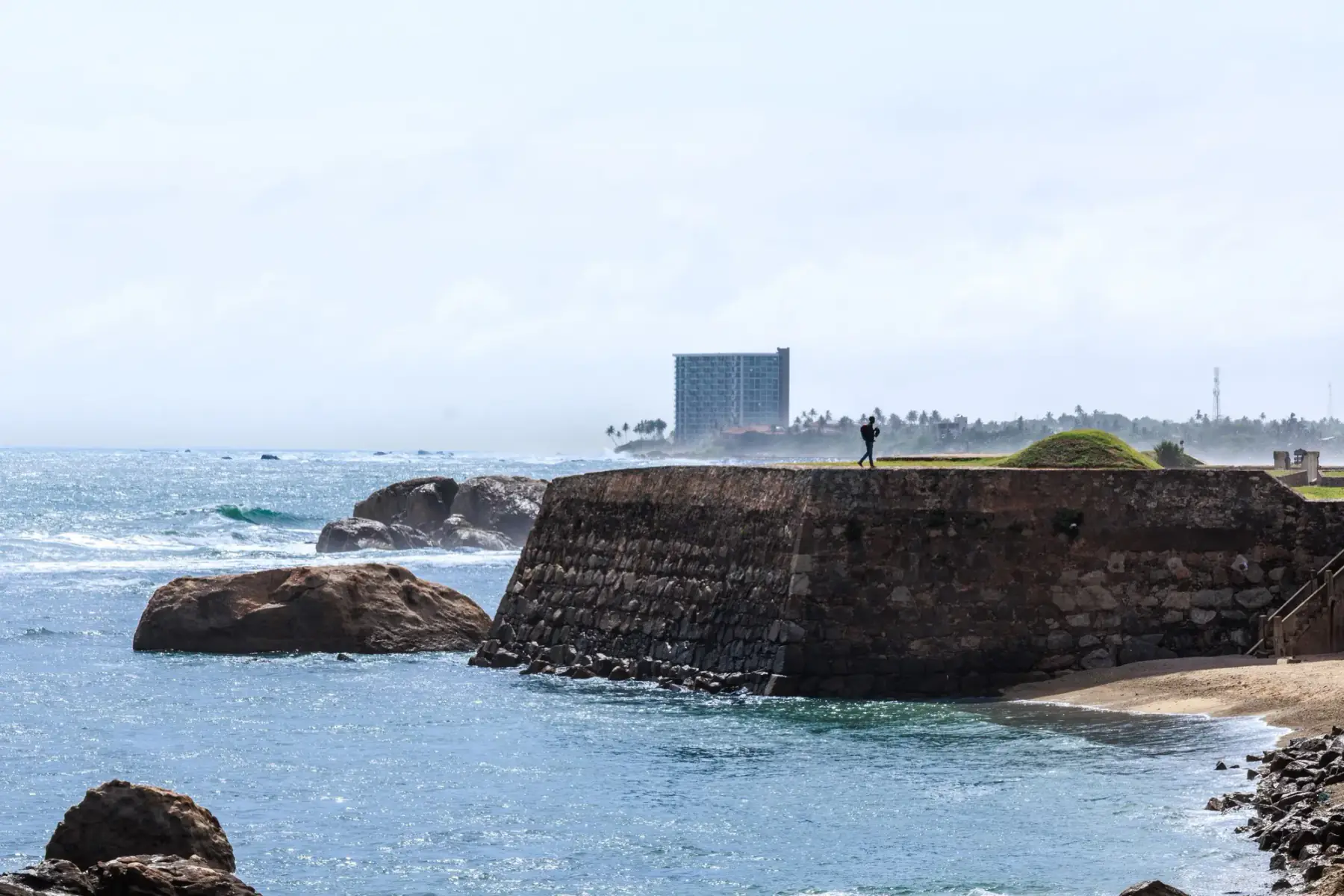
A living fortified town whose World Heritage value reflects the interaction of European planning and South Asian architectural traditions.
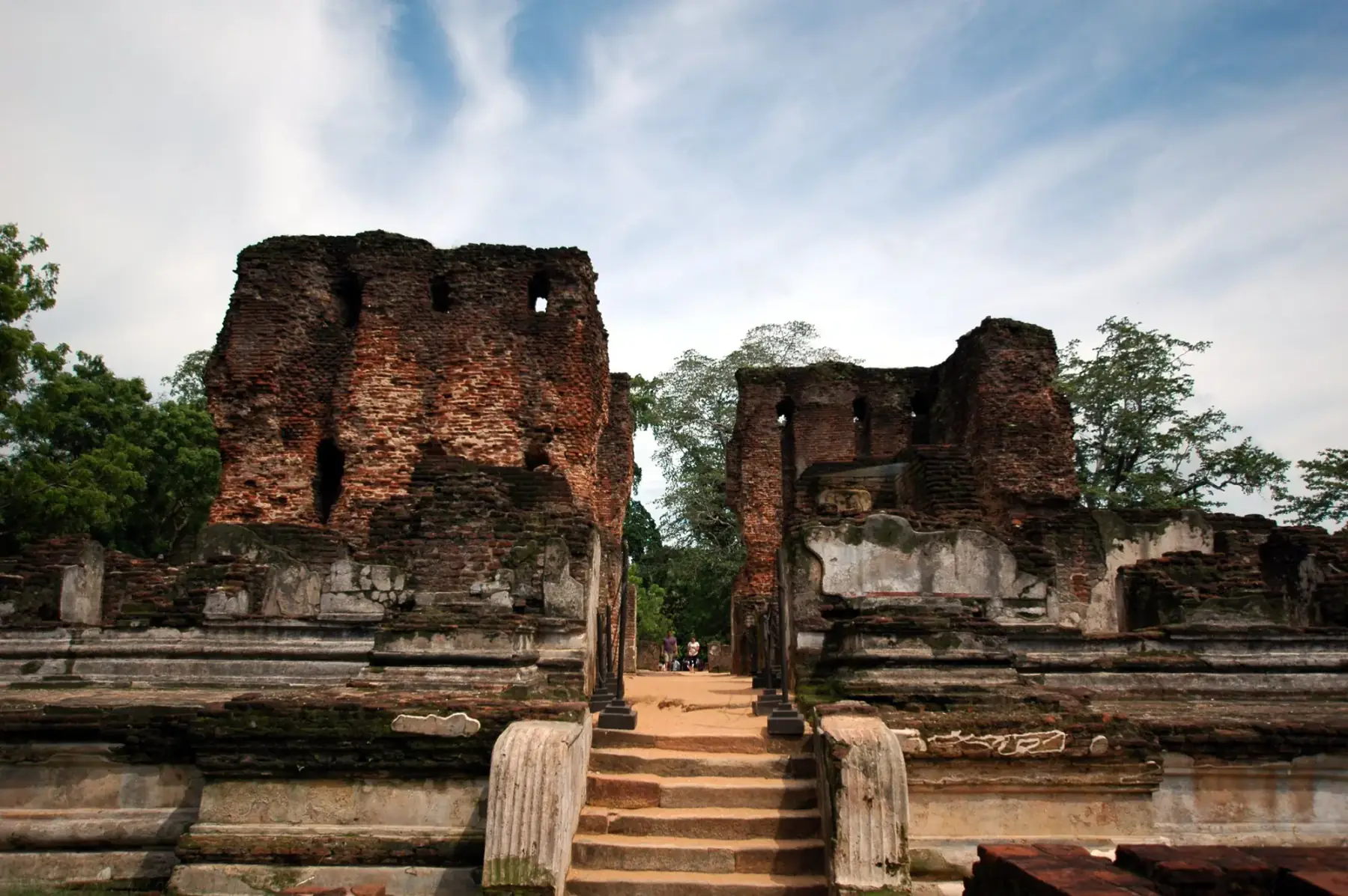
Sri Lanka's second capital after Anuradhapura, with Chola-period Brahmanic monuments and the 12th-century city associated with Parakramabahu I.
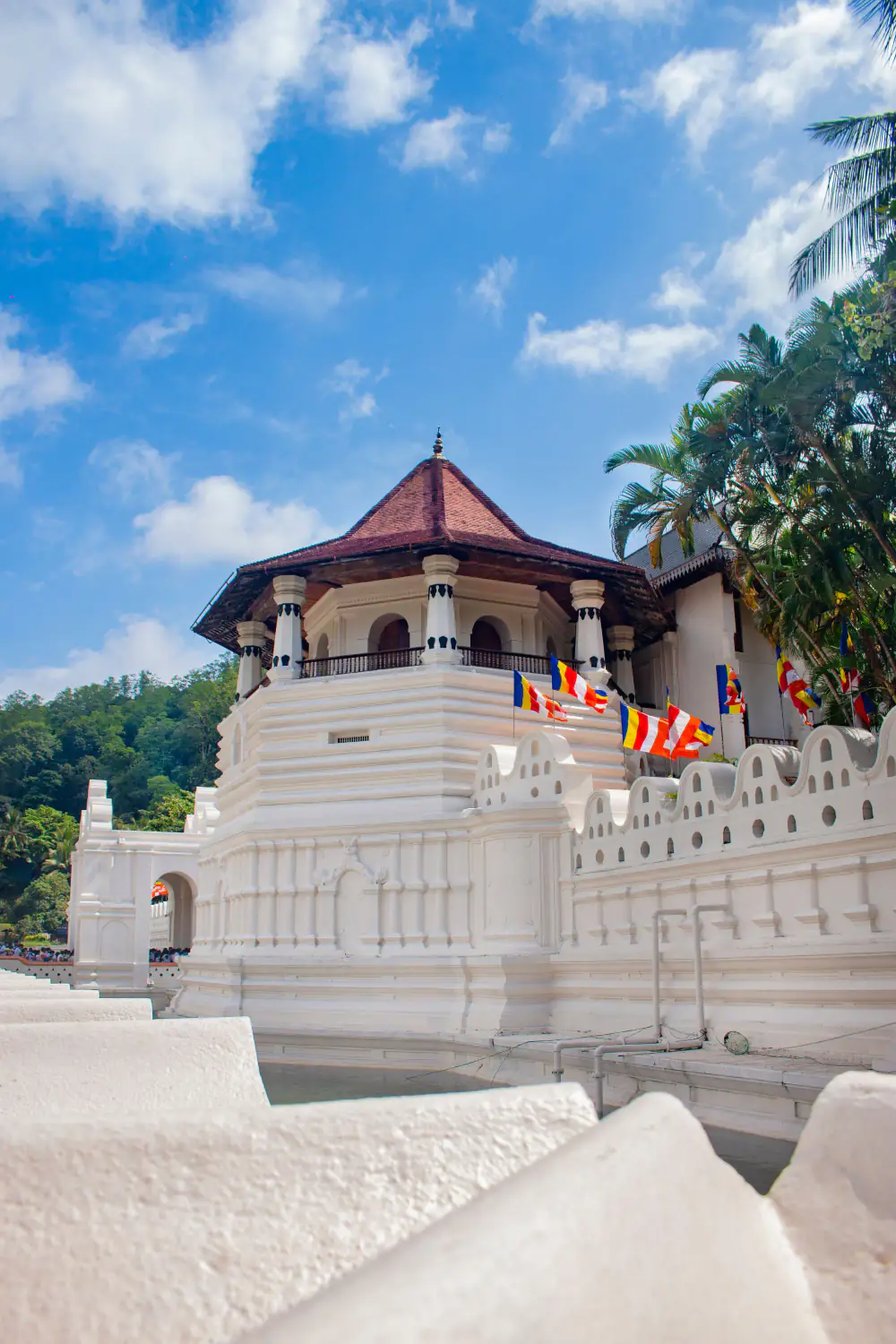
The UNESCO-listed sacred city of Sri Lanka's last Sinhala royal capital, centred on the Temple of the Sacred Tooth Relic.
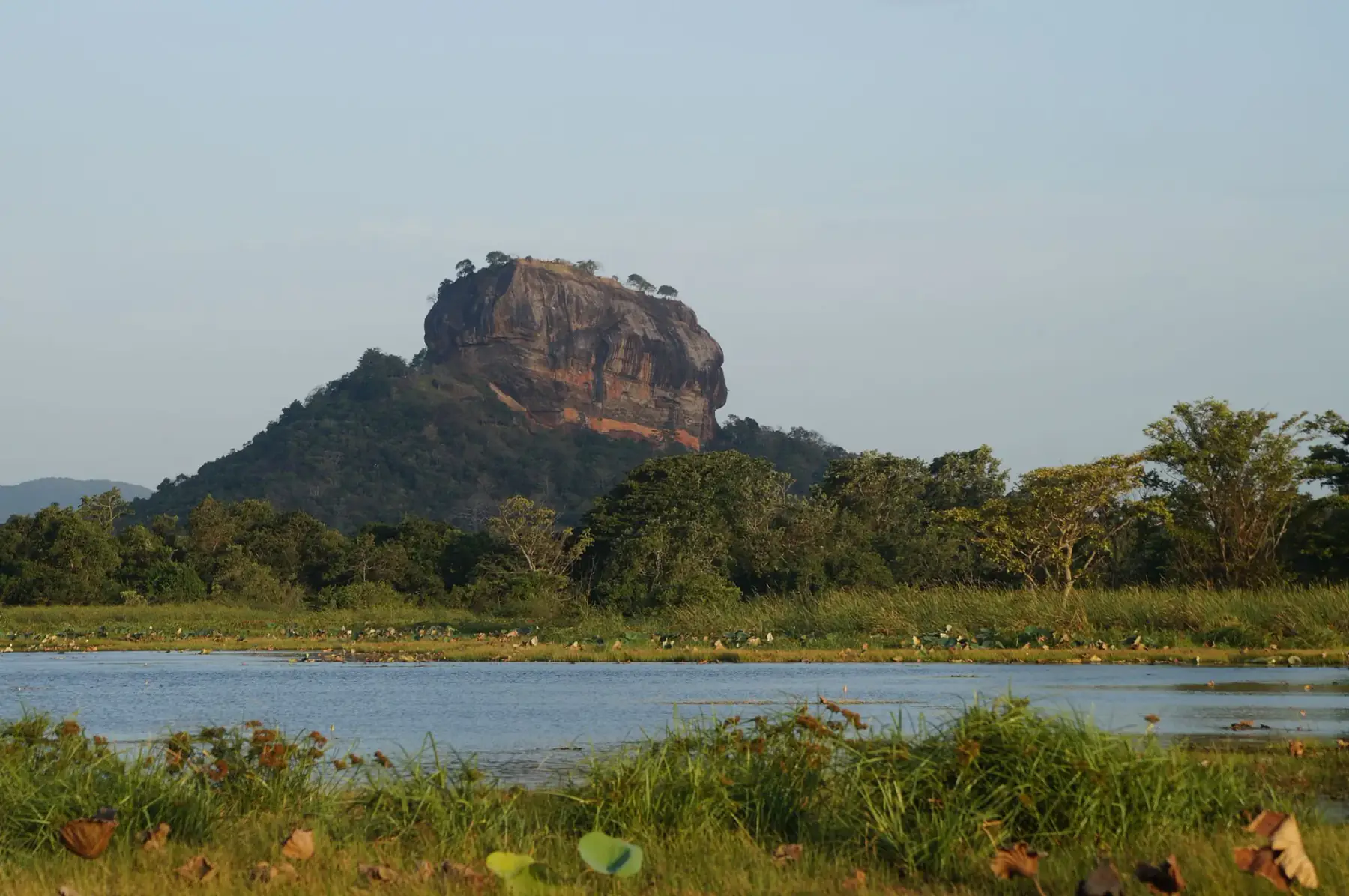
A World Heritage property built across the slopes and summit of a granite peak used as King Kassapa I's capital.
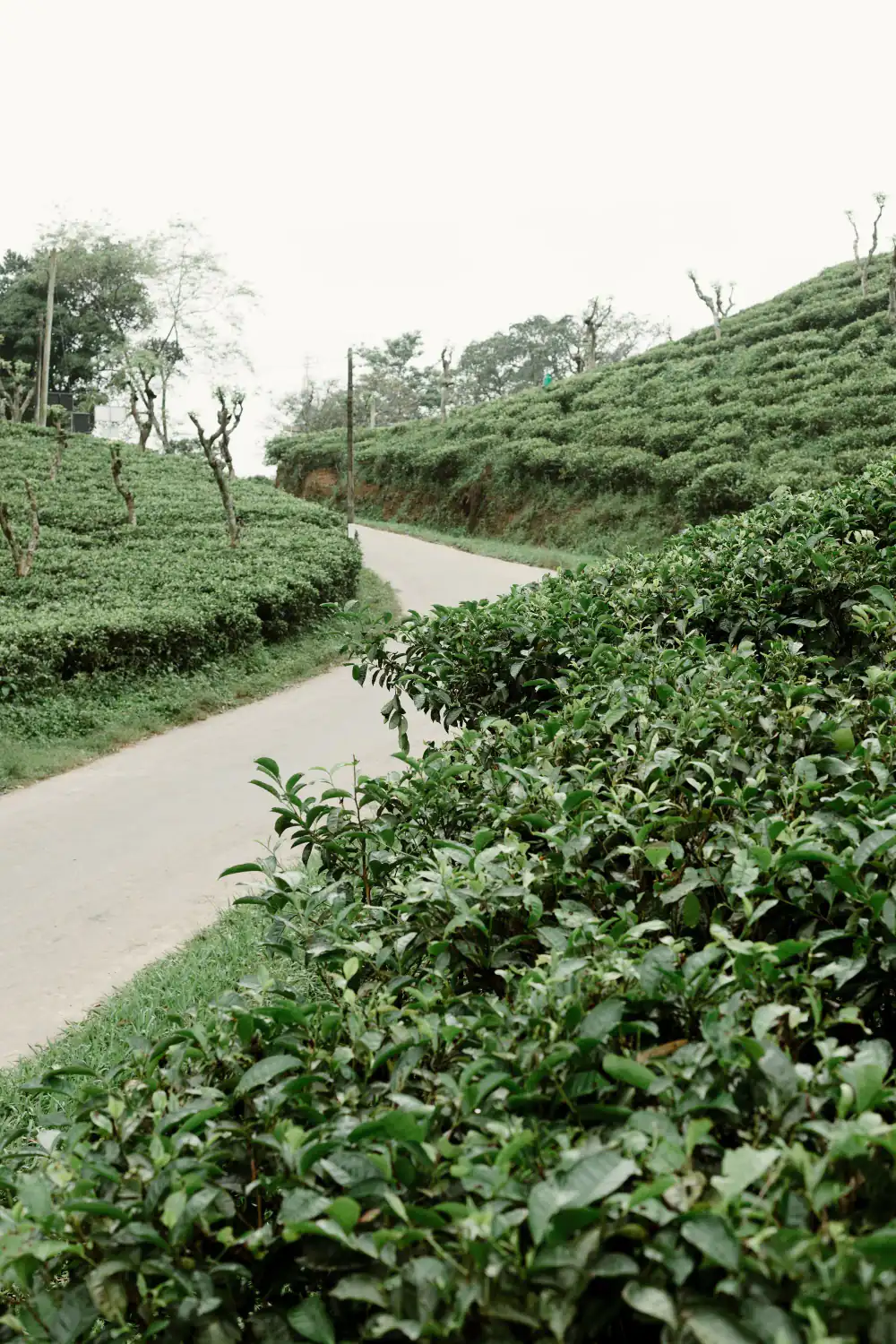
A UNESCO-listed rainforest reserve in south-west Sri Lanka, recognised for exceptional endemic biodiversity.