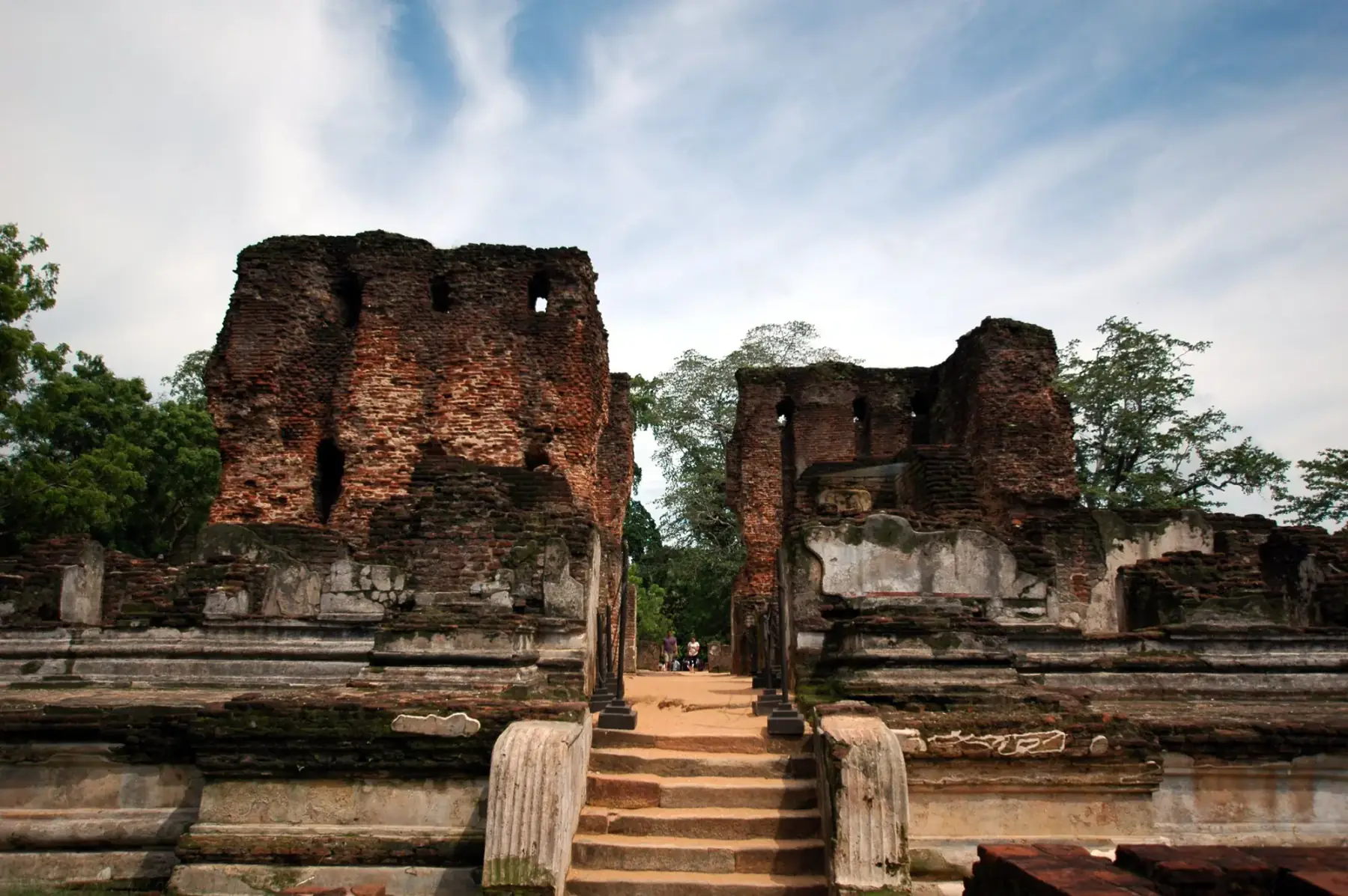
Ancient City of Polonnaruwa
Sri Lanka's second capital after Anuradhapura, with Chola-period Brahmanic monuments and the 12th-century city associated with Parakramabahu I.
Polonnaruwa became Sri Lanka's second capital after Anuradhapura's destruction in 993. UNESCO describes a property that includes Brahmanic monuments built by the Cholas and the monumental remains of the 12th-century garden city created by Parakramabahu I. It was inscribed on the World Heritage List in 1982.
Polonnaruwa entrance fee and opening hours
The Central Cultural Fund's price list, last updated 14 October 2026, shows a Polonnaruwa full ticket at USD 30 (LKR 10,080) and a half ticket at USD 15 (LKR 5,040), calculated at the listed exchange rate of 336 rupees to the US dollar and payable in rupees at the day's rate. SAARC citizens receive a 50 per cent discount on CCF tickets, and Polonnaruwa museum entry is included with the site ticket. The site opens 7.00 am to 5.00 pm. The CCF updates prices daily with exchange rates, so confirm the current amount on its official ticket page before visiting.
Why the ancient city is distinctive
The value lies in multiple periods and traditions across a city-scale archaeological property, not in a single headline monument. That makes interpretation and route planning important: decide which parts of the ancient city you want to understand, then verify how they are accessed on the day.
Plan the visit
- Check current ticket information through the Central Cultural Fund.
- Confirm which areas and any museum are included and open on your date.
- Plan transport between the selected components rather than assuming a single short walking loop.
- Prepare for weather, sun exposure and the mobility needs of the group.
- Follow archaeological-site and sacred-site instructions, including current photography restrictions.
The older page compared preservation and compactness with Anuradhapura and prescribed four to six hours. Those claims were removed because the primary sources reviewed did not establish a universal comparison or visit duration.
Ancient city or destination base?
Use the Polonnaruwa destination guide for the city's role in a wider route. This page owns the World Heritage property's historical context and visit framework. For a broader choice, compare it with the Sacred City of Anuradhapura by the history and sites you actually want to see, not a generic “better ruins” claim. See Anuradhapura or Polonnaruwa?.
Set priorities before entering
The ancient city contains multiple groups of remains, so a useful plan begins with a question: are you most interested in the capital's political history, religious monuments, designed landscape or the relationship between Chola and later Sinhalese building phases? Use that answer to select components instead of trying to stop at every labelled structure.
An official site map, ticket information and current staff guidance should shape the route. If transport inside or between areas is important, confirm it directly rather than assuming that every visitor can or should cover the property in the same way.
Protect the middle of the day
Sun, heat and rain can materially affect an exposed archaeological visit. Carry water where permitted, use suitable sun or rain protection, and give the group a clear point at which to shorten the plan. Families and travellers with mobility constraints should check surfaces, steps, distances and rest opportunities with the responsible authority.
Respect active sacred areas
Some remains and images have continuing religious significance. Follow clothing, footwear and photography instructions even when the surrounding property feels archaeological. Do not climb, lean on or enter protected structures for a photograph, and do not treat barriers as optional because another visitor has crossed them.
Combine places only when the route works
Polonnaruwa can form part of a Cultural Triangle route, but that label does not make Anuradhapura, Dambulla and Sigiriya adjacent experiences. Check the actual road segment, opening arrangements and exertion before adding another major property to the same day. A focused visit here can provide more understanding than a hurried multi-site checklist.
Sources
Last verified 2026-09-13
Read next
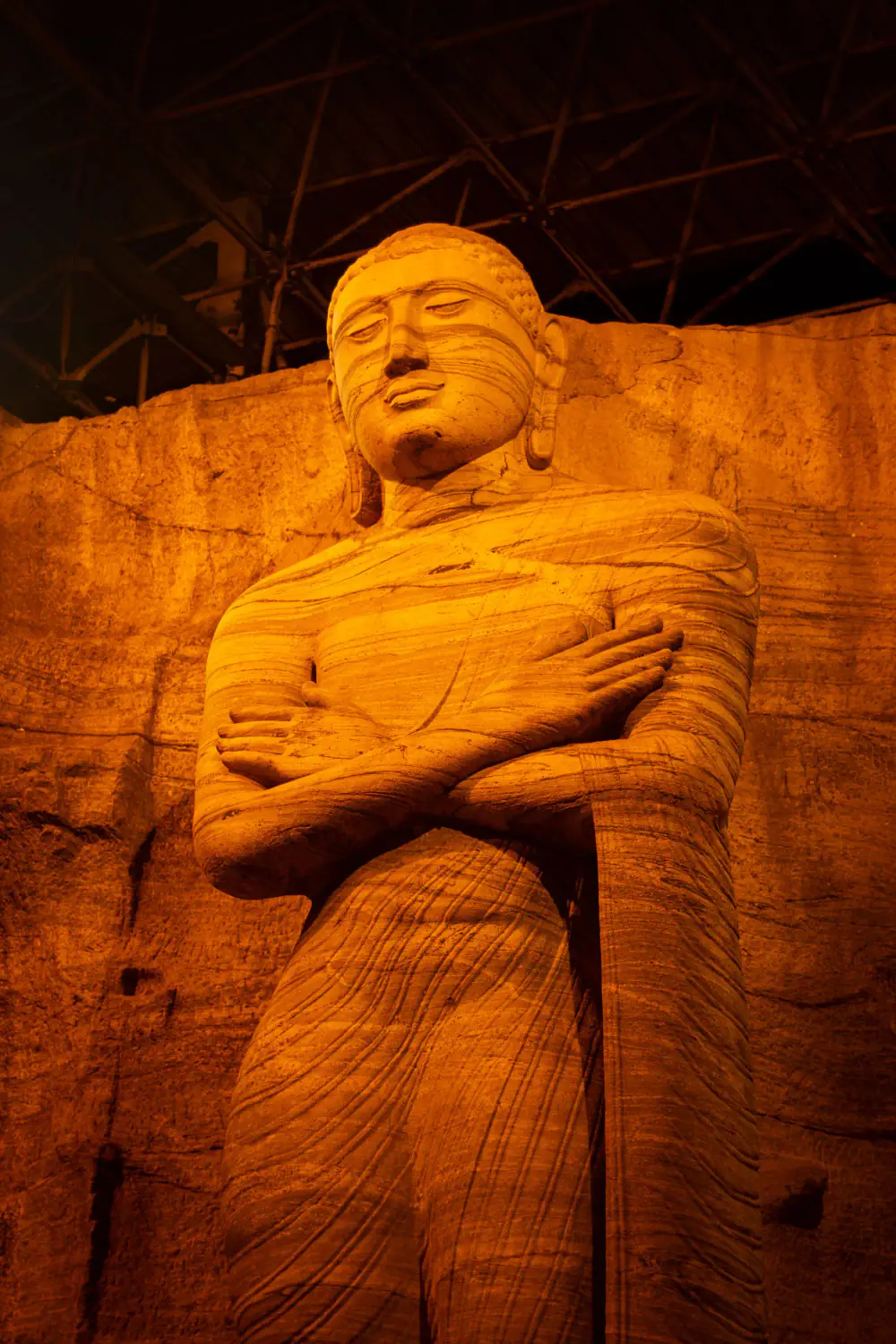
Anuradhapura or Polonnaruwa?
Choose Anuradhapura for a living sacred city and Sri Lanka's first capital; choose Polonnaruwa for medieval sculpture and a shorter hop from Sigiriya or Dambulla. Tickets and routes checked 9 October 2026.
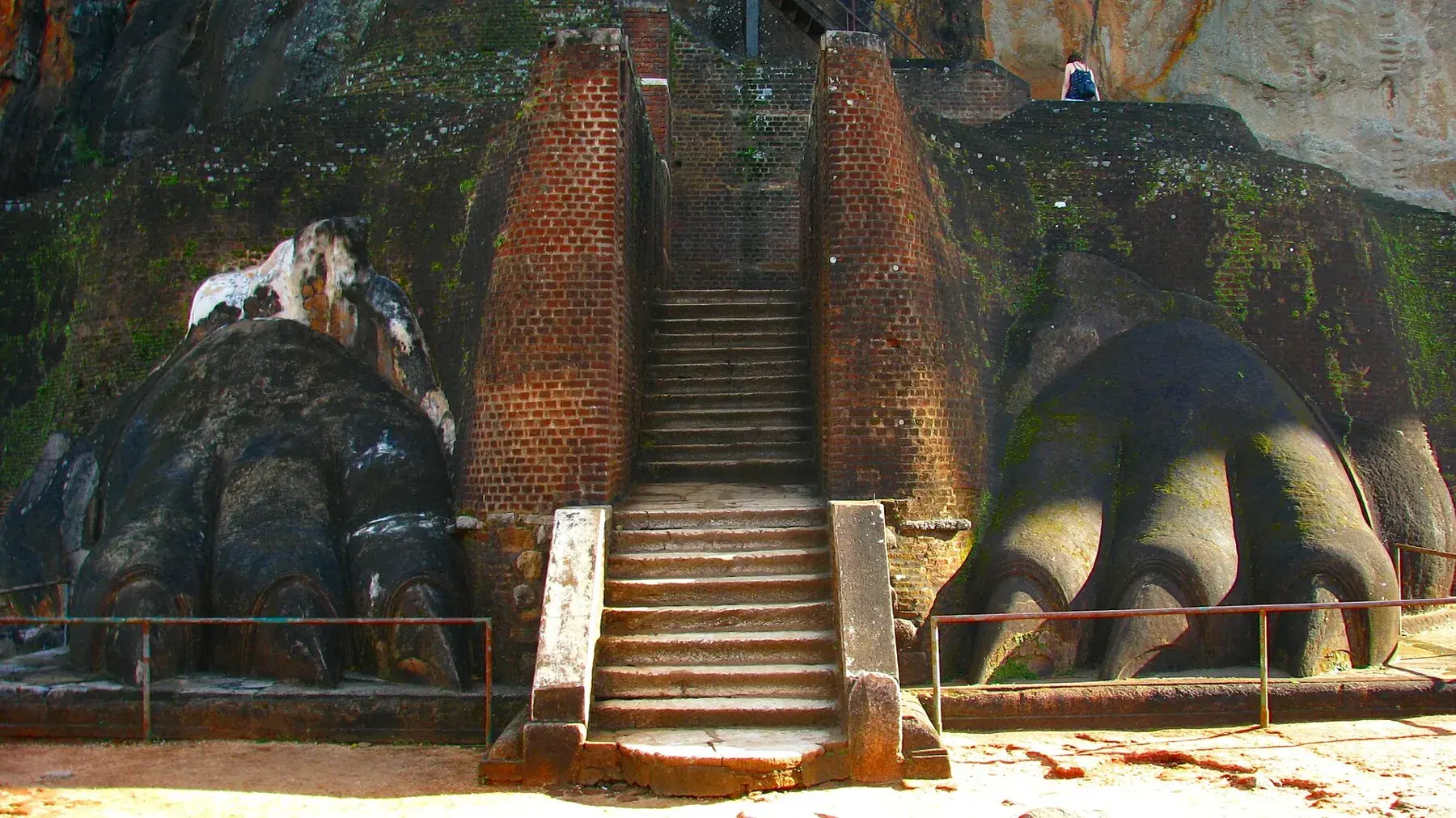
Sri Lanka entry ticket prices
Official entry ticket prices for Sri Lanka's heritage sites from the Central Cultural Fund list, in US dollars and rupees with pound and euro conversions, plus the Pinnawala elephant orphanage, the round ticket, SAARC discounts, opening hours and what a first trip costs in tickets. Checked 24 October 2026.
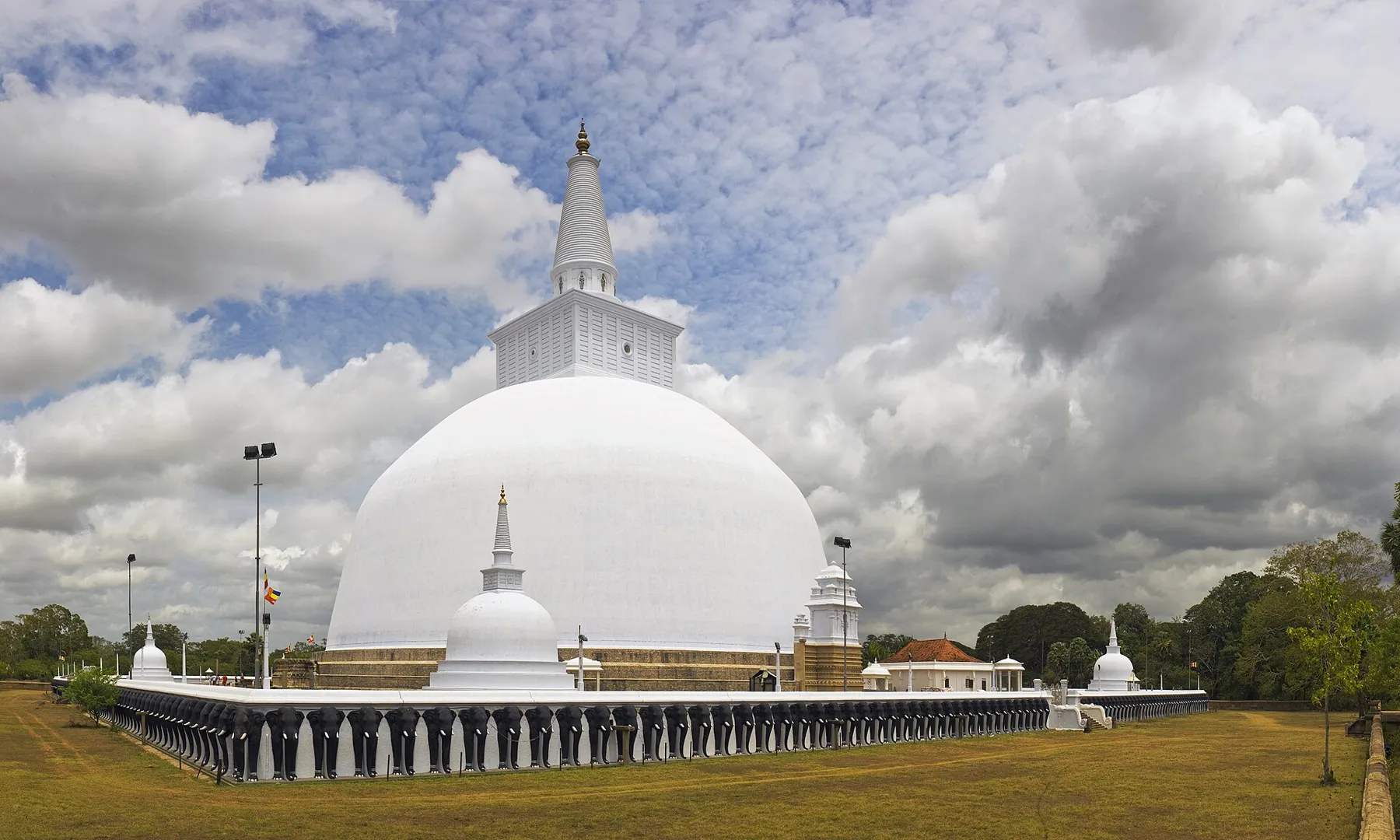
Top 10 places to visit in Sri Lanka
Ten places to put on a first Sri Lanka trip, compared side by side: road time from Colombo airport, official entry price, UNESCO status and the driest months at the nearest weather station, with how to fit them into one or two weeks. Checked 24 October 2026.
Cultural Triangle and Heritage Focus
A five-day heritage framework connecting Sigiriya, Dambulla, Anuradhapura, Polonnaruwa and Kandy without pretending every site fits one rushed loop.
Ten Days in Sri Lanka from India
A 10-day Sri Lanka route for Indian travellers that joins the Buddhist ancient cities to Kandy and the Ramayana temples near Nuwara Eliya. Road samples for every leg, airport taxi card rates in LKR and INR, and free ETA rules, checked 27 October 2026.
14 Days in Sri Lanka for First Timers
A relaxed 14-day first visit: Negombo or airport night, Sigiriya and Polonnaruwa, Kandy, Nuwara Eliya, Nanu Oya to Ella train or road, Ella, optional Yala, Mirissa and Galle. Skip-if-short callouts and a dated sample daily spend in GBP and USD. Checked 23 October 2026.
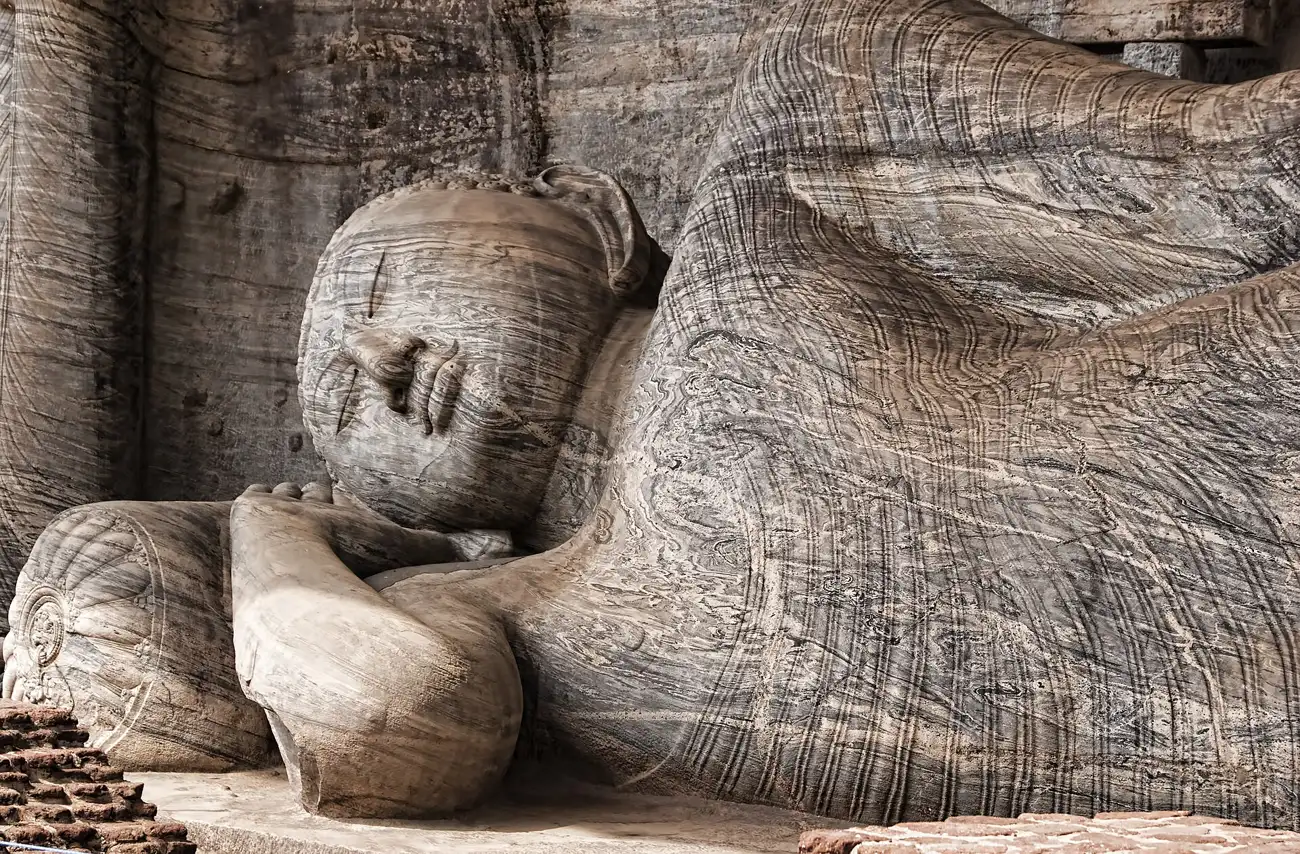
Three Days in Sri Lanka
A 3-day Sri Lanka plan from Colombo airport to the Cultural Triangle and back: Dambulla, Sigiriya and Polonnaruwa, with road times for every leg, ticket prices from the Central Cultural Fund table, rain by month and a south coast version. Checked 23 October 2026.
Seven Days in Sri Lanka from India
A 7-day Sri Lanka route for Indian travellers built around the Buddhist heritage that links the two countries: Anuradhapura's Sri Maha Bodhi, Sigiriya, Dambulla, Polonnaruwa and Kandy. Dated SriLankan fares from four Indian cities, SAARC ticket savings worked out, free ETA and passport rules, checked 18 October 2026.
Sri Lanka in 12 Days for First-Timers
A relaxed 12-day first trip to Sri Lanka: Sigiriya, Polonnaruwa and Dambulla, Kandy, Nuwara Eliya, the Nanu Oya to Ella train or road, Ella, Mirissa and Galle. Road times for every leg, official site and whale-watching prices, rain by stop and month, and what to do if the hill country train is not running. Checked 23 October 2026.
Sri Lanka by Public Transport in 14 Days
A 14-day Sri Lanka route by bus, with tuk-tuks for the last kilometre: Negombo, Kandy, Sigiriya, Dambulla and Polonnaruwa, Nuwara Eliya, Ella, Mirissa and Galle. Official National Transport Commission fares for every long leg, road times, how to ride the buses safely and what the 25 October 2026 rail suspension means for the hill country. Checked 26 October 2026.
Sri Lanka Solo in 10 Days
A 10-day solo route around Sri Lanka by bus and car: Sigiriya, Dambulla and Polonnaruwa, Kandy, Ella, Mirissa and Galle, with official bus fares for the long legs, road times, ticket prices and the UK government's safety advice for travelling alone, including emergency numbers. Checked 24 October 2026.
Two Weeks, Standard Pace
A day-by-day 2-week Sri Lanka itinerary: Sigiriya, Dambulla, Polonnaruwa, Kandy, Ella by the Nanu Oya train, a Yala safari, Galle and Mirissa, with dated ticket and fare costs checked 17 October 2026.
More places in this region
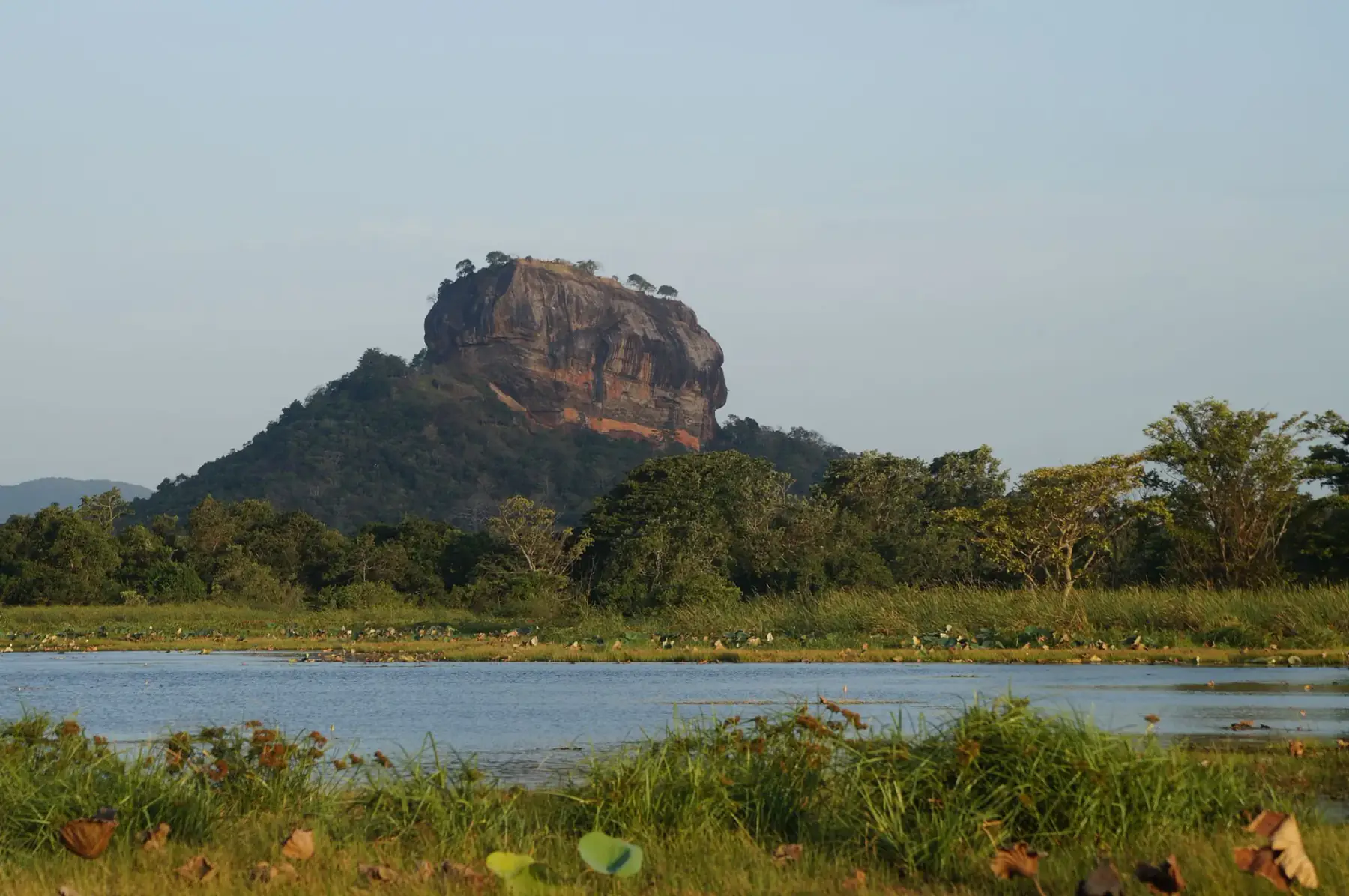
Ancient City of Sigiriya
UNESCO 1982 · HeritageA World Heritage property built across the slopes and summit of a granite peak used as King Kassapa I's capital.
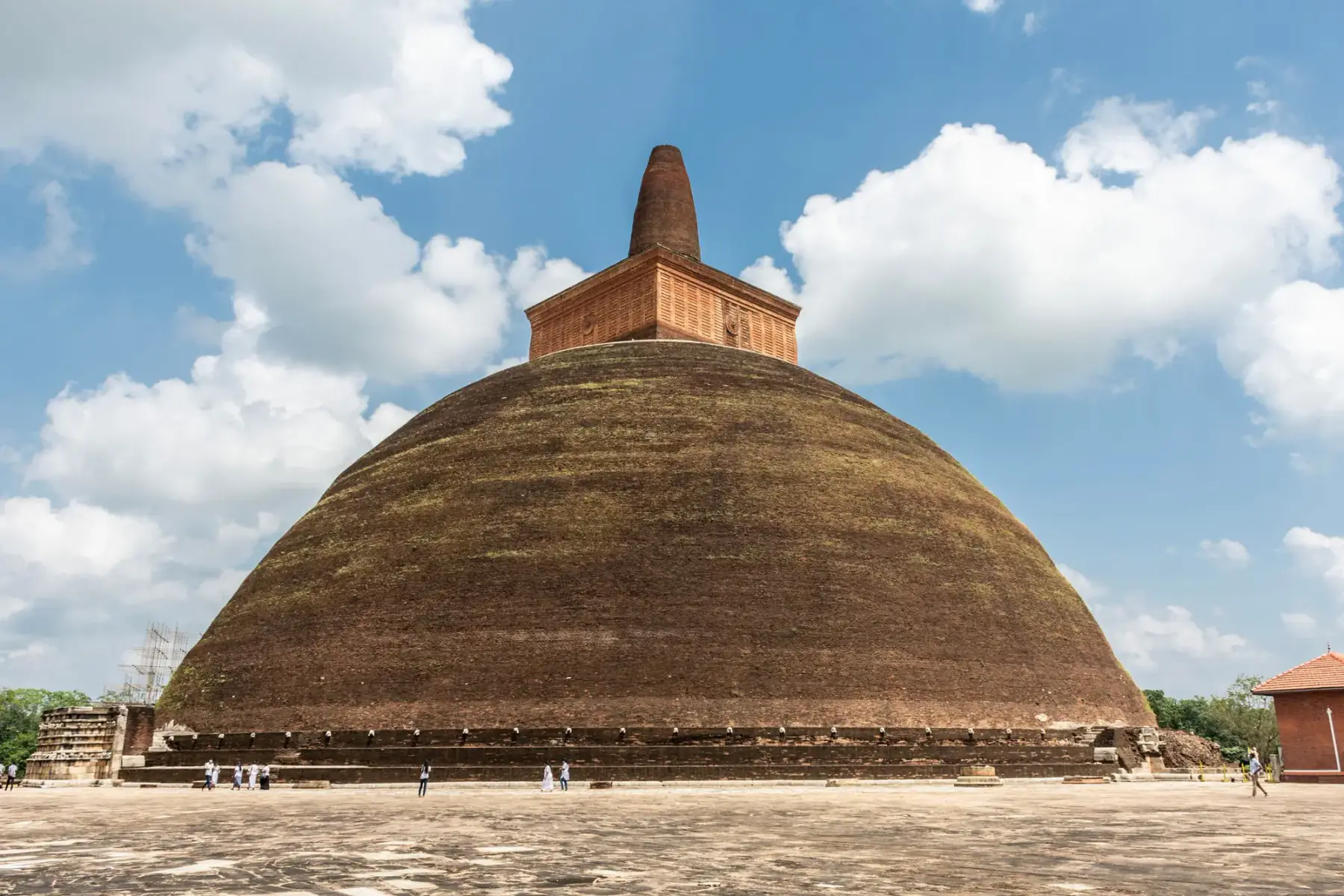
Jaya Sri Maha Bodhi
Sacred siteA living Buddhist pilgrimage place at the centre of Anuradhapura's sacred-city tradition.
Mihintale
Sacred siteAn active Buddhist pilgrimage and archaeological landscape near Anuradhapura, traditionally linked to Buddhism's arrival in Sri Lanka.