Visiting Sacred Sites: What to Know Before You Go
Prepare conservatively, then follow the current rules of each active Buddhist, Hindu, Islamic, Christian or multi-faith site.
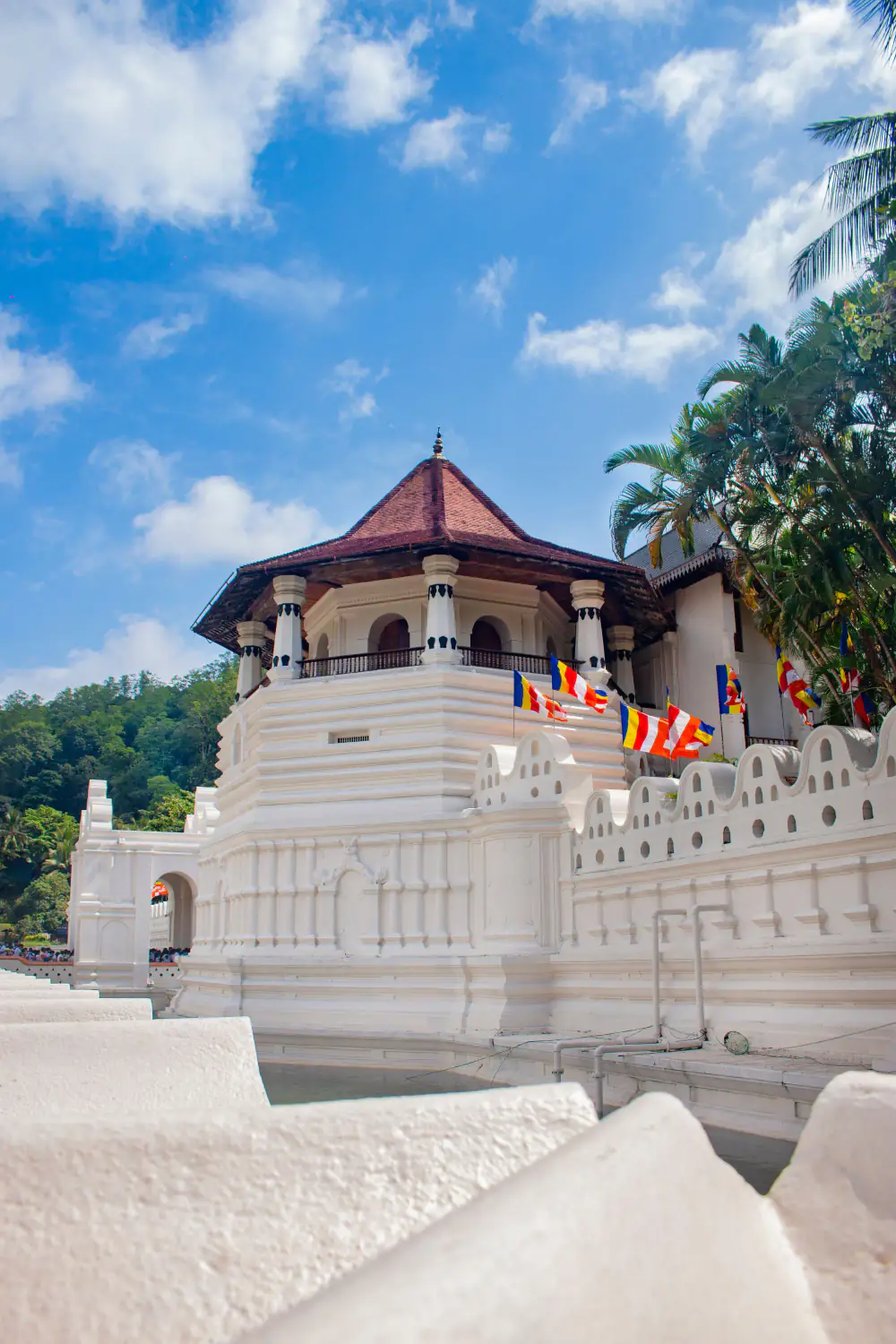
Arrive in conservative clothing, be ready to remove footwear or headwear when instructed, and treat each site's live rules as stronger than any general guide.
Rules differ by religion, property, building and ceremony.
A conservative baseline
- Wear clothing that is suitable for an active place of worship; carry a light covering layer if unsure.
- Choose footwear you can remove easily, but wait for the site's instruction about where removal applies.
- Keep voices low and do not obstruct prayer, offerings, processions or ritual services.
- Ask before photographing people and look for current restrictions on interiors, statues, murals and ceremonies.
- Do not pose in a way the site identifies as disrespectful.
Sri Lanka Tourism's visitor guidance specifically warns against disrespectful photography at Buddhist images and notes that flash can damage old murals. The Central Cultural Fund tells visitors to respect the special rules and traditions of sacred archaeological sites.
Dress rules are site-specific
“Modest” is not a complete dress code. A Buddhist cave shrine, Hindu temple, mosque, church and multi-faith pilgrimage precinct may set different requirements. Site staff and posted instructions decide what is acceptable on the day.
Before travelling, check the official channel for the exact property. If no current rule is published, use a conservative baseline and be prepared to adapt at entry rather than arguing from another site's policy.
Footwear and headwear
Some sacred areas require shoes or slippers to be removed; some may also require headwear to be removed, while other traditions may handle head covering differently. Never turn a rule from one faith or building into a universal Sri Lankan rule. Follow signs, staff and worshippers' protected space.
Photography and phones
Permission to enter or buy a ticket is not automatic permission to photograph everything. Check:
- whether photography is allowed at all;
- whether flash, tripods or filming need separate approval;
- whether images, relics, altars, murals or ceremonies have tighter restrictions; and
- whether people have consented to be photographed.
Silence notifications and avoid using a phone in a way that disrupts worship.
Active worship takes priority
The Temple of the Sacred Tooth Relic and Rangiri Dambulla Cave Temple, for example, are living Buddhist sites, not only heritage attractions. Kataragama and Adam's Peak have multi-tradition significance. Read the relevant place page, then verify current arrangements with the responsible site.
A five-question check before entry
- Is my clothing acceptable here today?
- Where must footwear or headwear be removed?
- What may not be photographed or filmed?
- Is a ritual, prayer period or restricted area active?
- Are tickets, donations or separate permissions handled through an official channel?
If anything is unclear, ask quietly. Respectful uncertainty is better than pretending one checklist covers every sacred place.
Buddhist sites
Many Buddhist places combine active worship with archaeological or heritage significance. Follow current instructions about clothing, footwear, headwear, flowers, bags and photography. Do not pose with your back to a sacred image when the site identifies that as disrespectful, and do not use flash on old murals.
At Anuradhapura, Dambulla or Kandy, the wider property can contain distinct sacred and visitor spaces. Buying a heritage ticket does not override the rules of an active shrine.
Hindu temples
Check the named temple directly. Nallur Kandaswamy Temple pooja times and dress code in Jaffna and Koneswaram Temple in Trincomalee each carry their own arrangements. Clothing, footwear, photography, offerings, non-Hindu access and festival movement may differ. Do not copy a Buddhist site's instructions and label them a universal temple rule. Visitors attending for cultural learning should give priority to worshippers and avoid imitating ritual for a photograph.
Mosques
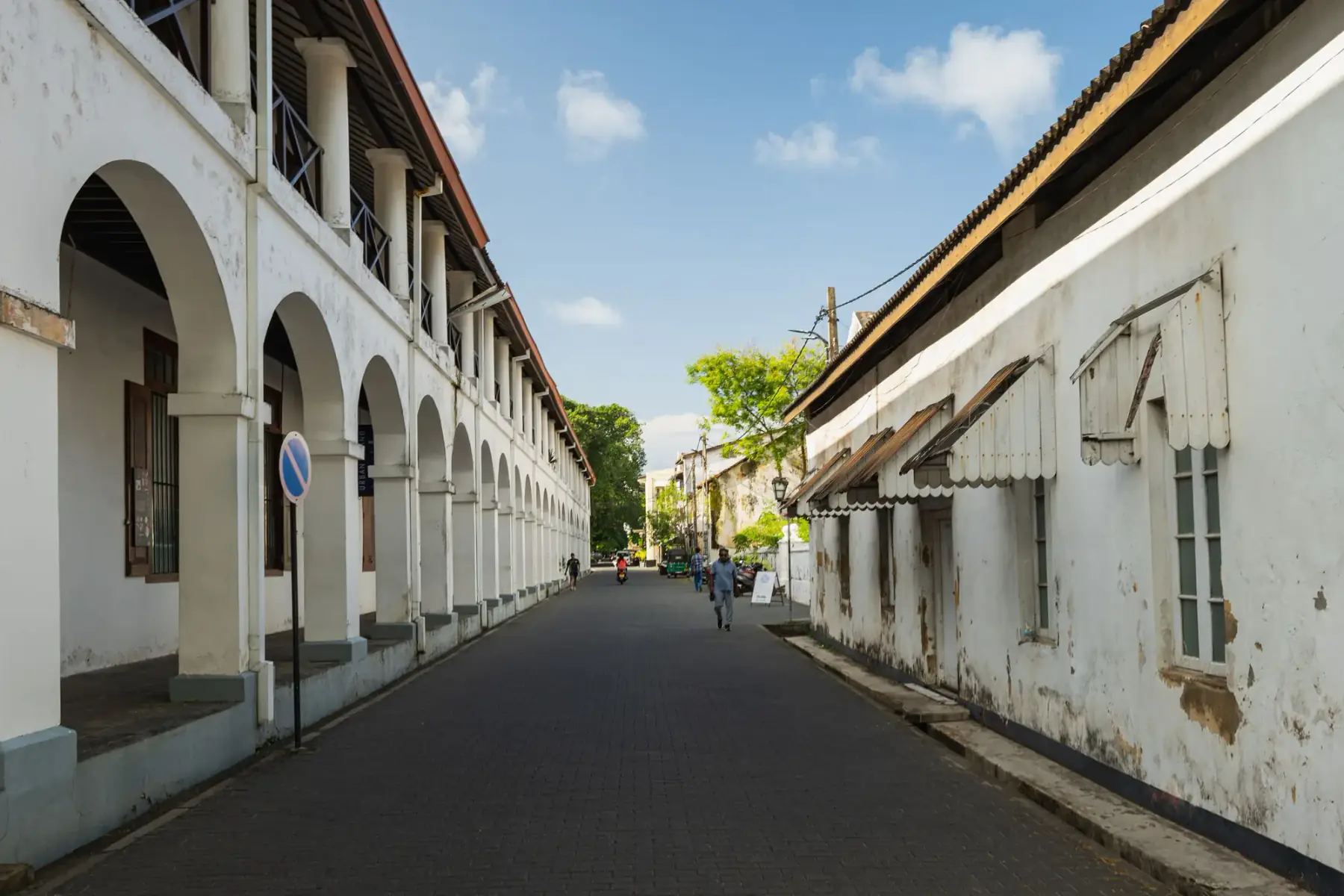
Use the registered-mosque information from the Department of Muslim Religious and Cultural Affairs as a starting point, then confirm visitor access with the responsible mosque. Ask about clothing, head covering, footwear, prayer areas, photography and whether the intended time is appropriate. A map listing is not permission to enter.
Churches
Confirm access through the responsible parish, denomination or institution. Avoid sightseeing during worship unless visitors are welcome, and ask before photographing a service or congregation. A church feast or procession requires a current year-specific check.
Multi-tradition pilgrimage places
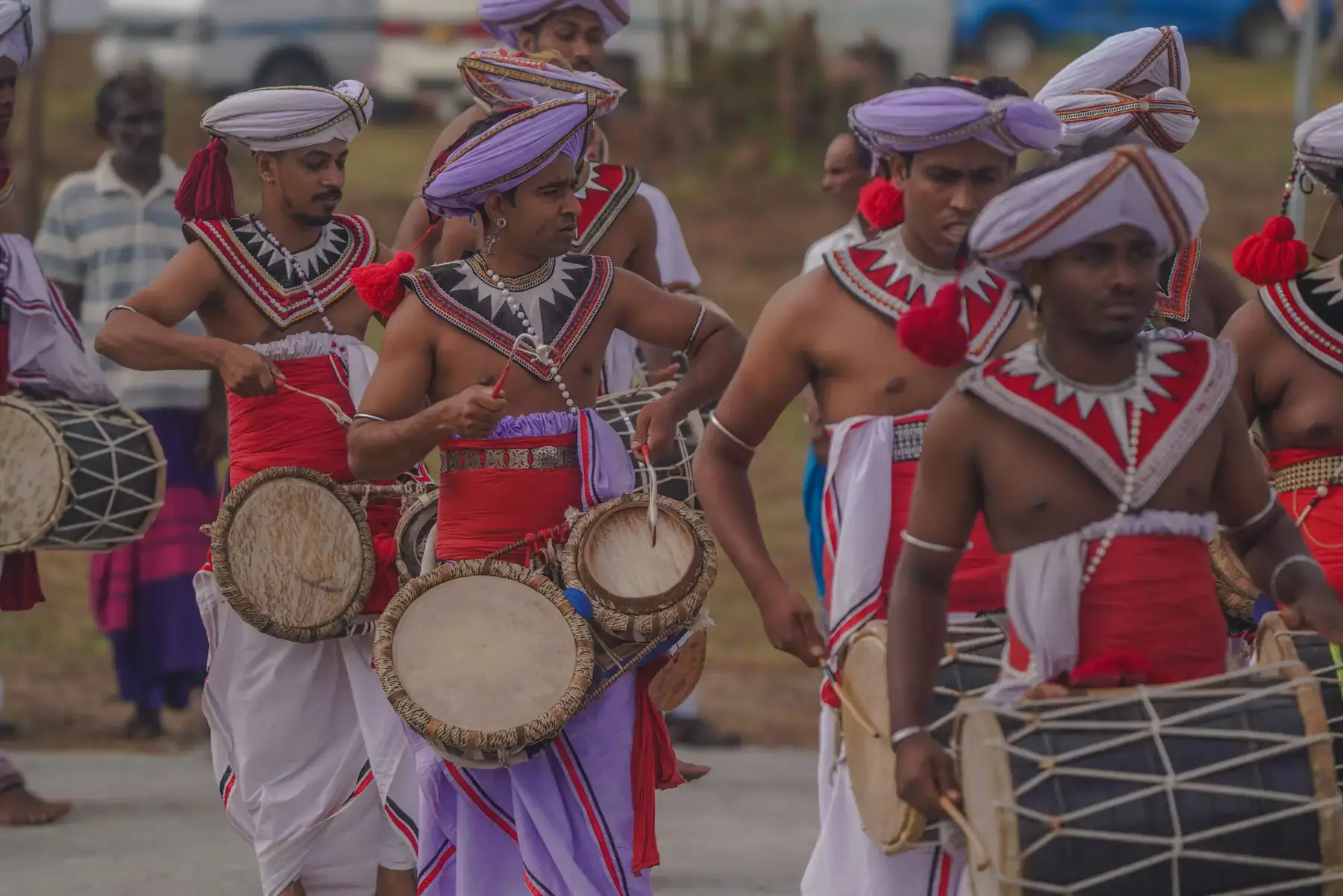
At Kataragama or Sri Pada, shared geography does not mean every tradition uses the same ritual or interpretation. Name the relevant sacred space and follow its custodial guidance. Do not flatten several traditions into one “multi-faith ceremony.”
Offerings, donations and guides
Obtain offerings through appropriate channels and follow the site's instructions. A donation should not be described as a compulsory fee unless an official source says so. For tickets, use the responsible site's current official channel.
If using a guide, verify the person's role and do not accept pressure to bypass a rule. A guide's permission does not override the institution responsible for the site.
Visiting with children or a group
Explain the setting before arrival. Assign supervision, keep the group from blocking entrances or worship routes, and decide what happens if a child cannot manage footwear removal, heat, steps or quiet participation. Ask about group permissions before bringing organised photography or equipment.
When access changes
Ceremonies, conservation, crowd controls or security can restrict an area. Accept the current boundary. Do not argue that a ticket, old blog or previous visit promises access. A respectful itinerary has an alternative and does not depend on entering every interior.
Before leaving the accommodation
Check the named site's official information, cover-layer and footwear plan, current weather, transport, ticket source and any ceremony affecting access. That preparation is more useful than memorising a single national dress code that does not exist.
Sources
Last verified 2026-10-15
Covered in this guide
Temple of the Sacred Tooth Relic
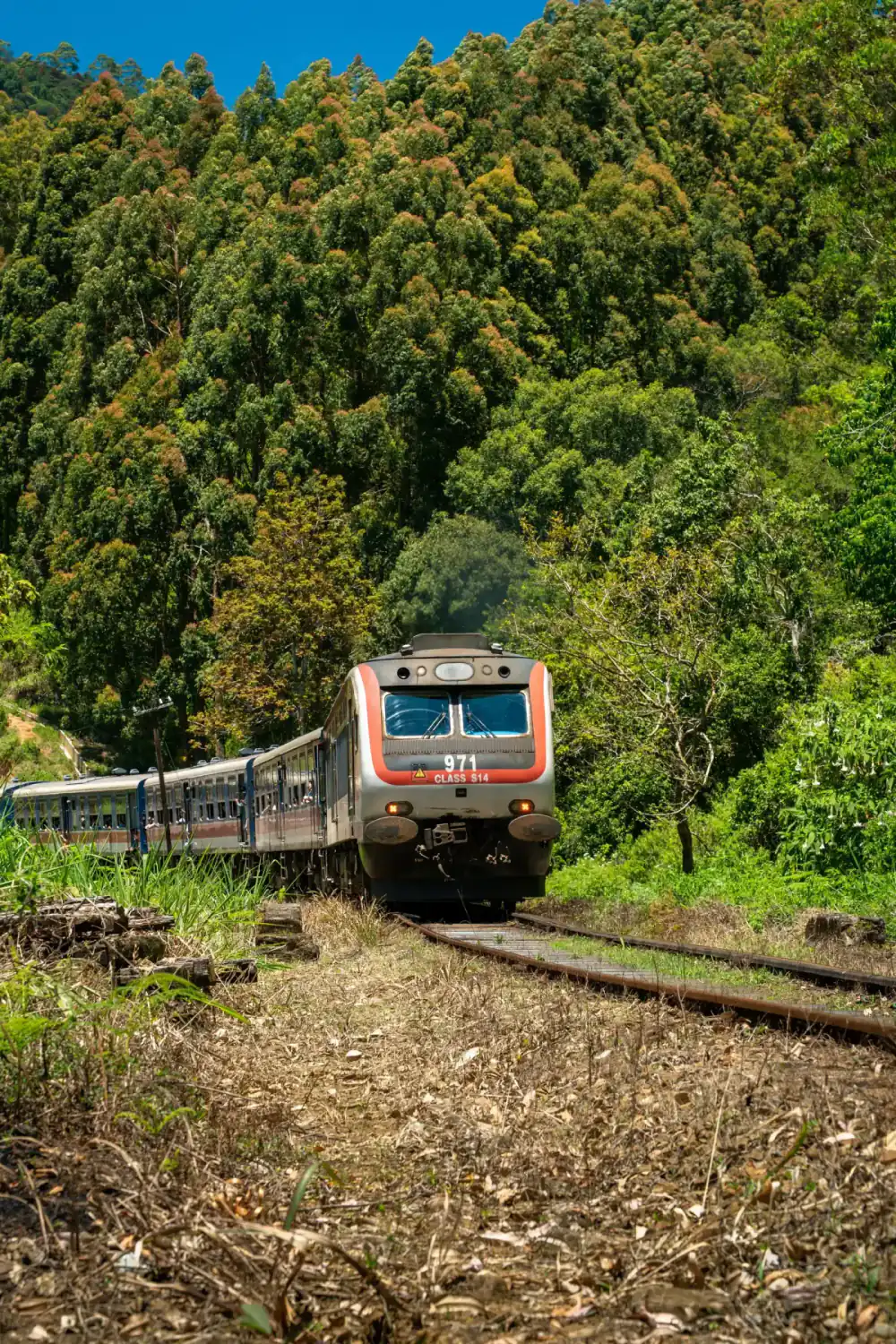
Sri Pada (Adam's Peak)
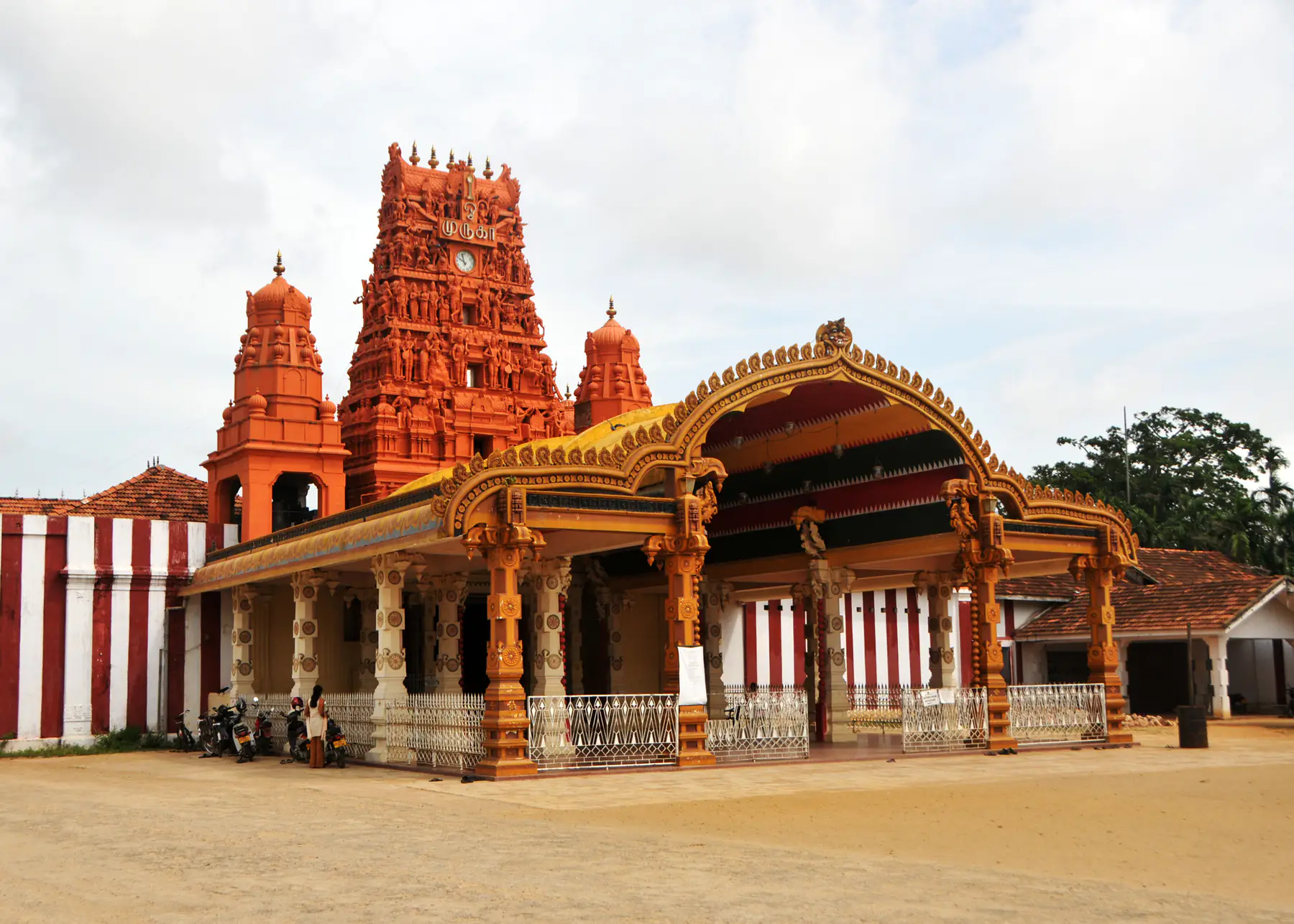
Nallur Kandaswamy Temple
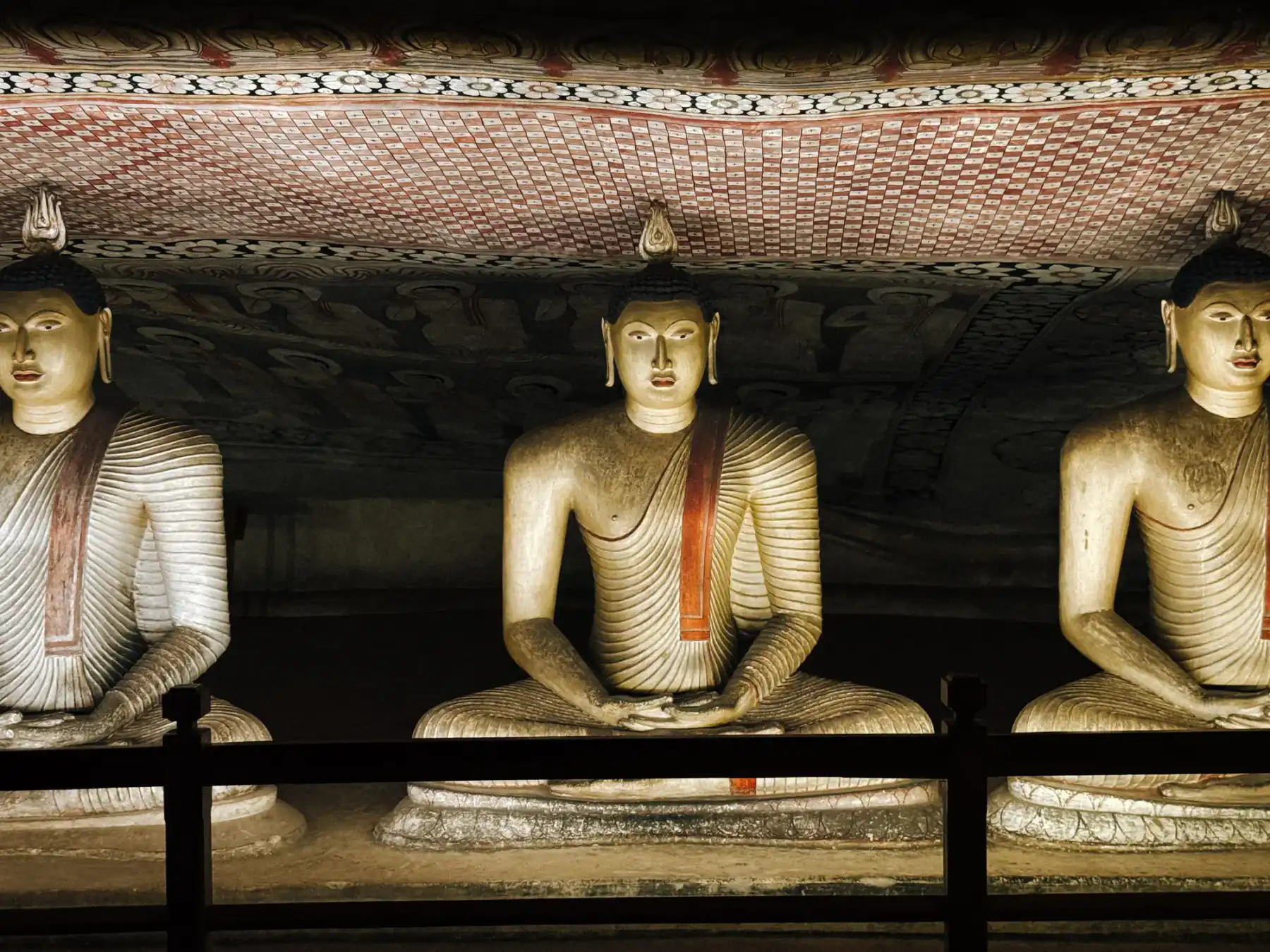
Kataragama Sacred Precinct
Pilgrimage & Sacred Sites
Related guides
All guides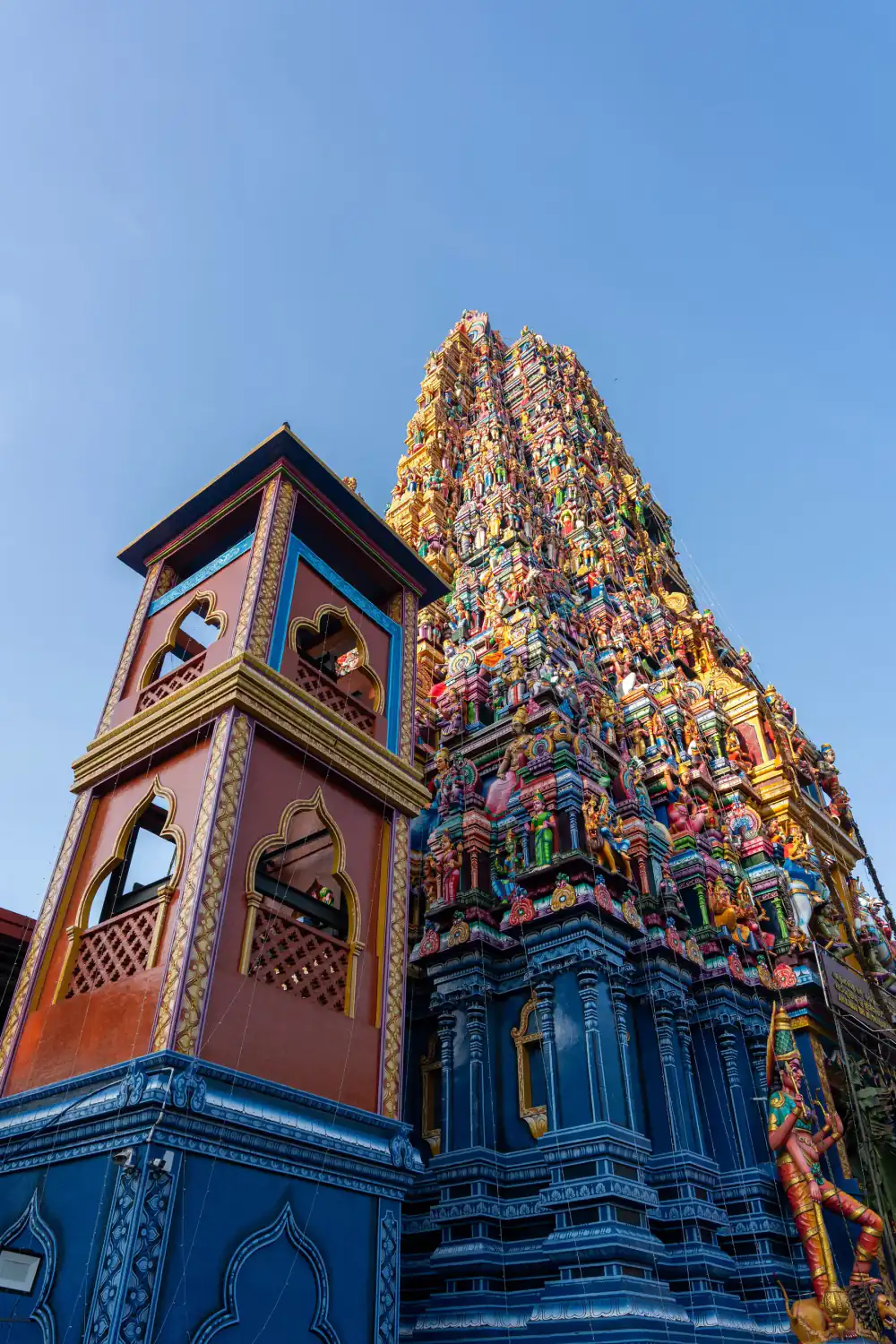
Hindu Temple Circuit
A realistic regional-choice guide for active Hindu temples in Jaffna, Trincomalee and Kataragama.
Kataragama and Multi-Faith Pilgrimage
A culturally careful planning guide to Kataragama's active pilgrimage precinct and its tradition-specific practices.
Sri Lanka for Muslim Travellers
A verification-first planning framework for Muslim travellers, using public HAC certification material and the government mosque register without overstating what either source proves.