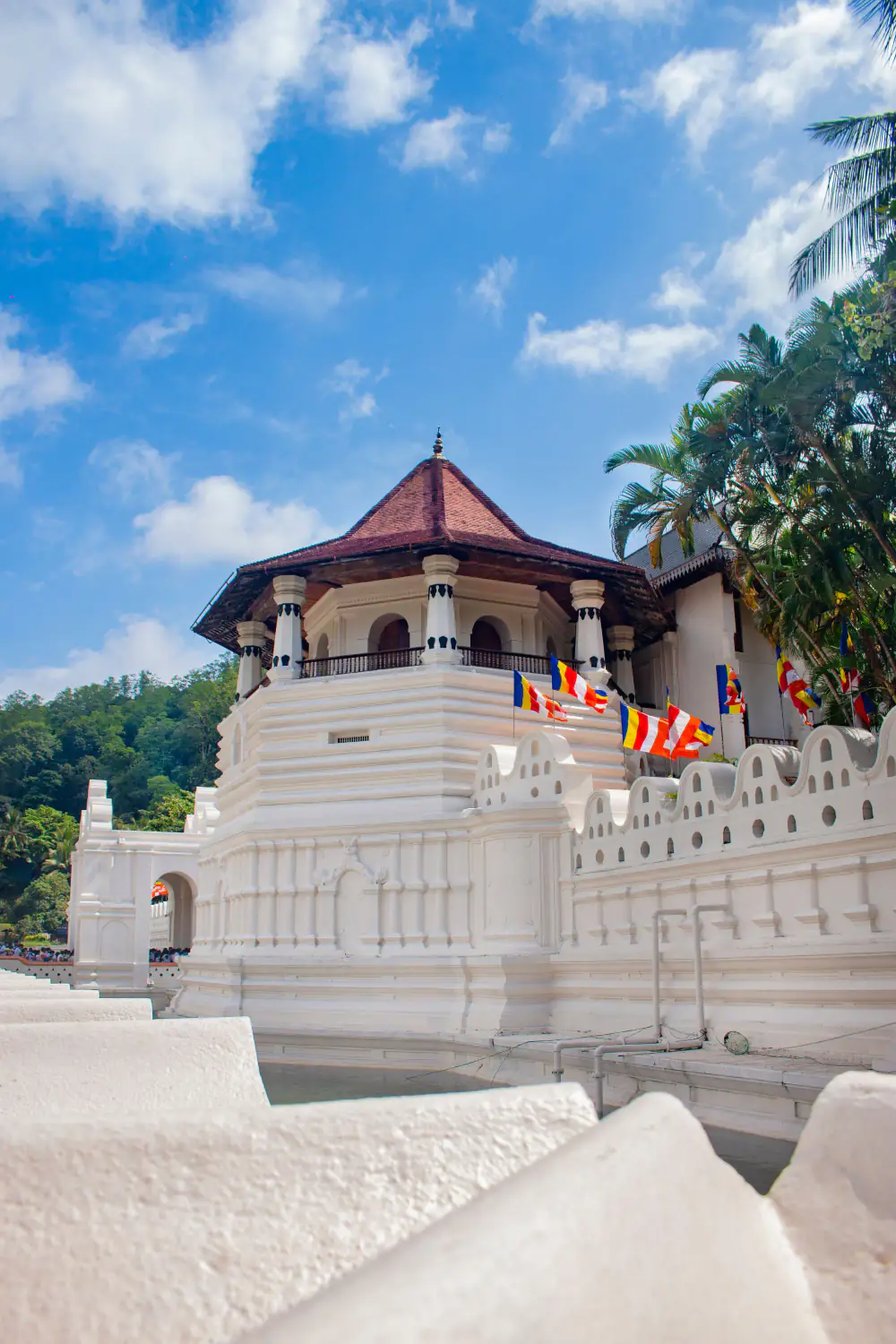
Pilgrimage & Sacred Sites
Plan visits to Sri Lanka's active pilgrimage and sacred places by tradition, site rules, current access and worship context.
Sri Lanka's pilgrimage landscape includes active Buddhist, Hindu, Muslim and Christian places as well as sites understood differently across traditions. Plan each visit from the named institution and living practice, not from a generic “temple tour” template.
Choose the site before the circuit
- For Buddhist sacred-city context, start with Anuradhapura, Kandy or the Temple of the Tooth.
- For an active Hindu site, use the dedicated pages for Nallur Kandaswamy Temple or Koneswaram Temple.
- For a multi-tradition pilgrimage landscape, review Sri Pada or Kataragama without flattening different beliefs into one story.
Prepare for worship, not only sightseeing
Check the site's own opening, entry, clothing, footwear, photography and ceremony guidance. Quietly follow staff and worshippers' space. A rule seen at one Buddhist or Hindu property should not be presented as universal to every sacred place.
Use the sacred-sites collection to browse by tradition and the visitor etiquette guide for a shared baseline. Current site instructions always take precedence.
Plan around worship, not sightseeing speed
Pilgrimage places are living religious environments. Identify whether the visit is devotional, educational or both, then allow time for clothing, footwear, offerings, queues and ceremonies. Do not assume a heritage ticket grants access to every sacred space.
Build coherent circuits
The Buddhist pilgrimage guide connects major Buddhist places without collapsing them into one experience. Kataragama and Sri Pada require additional care because traditions overlap without becoming identical. For Hindu places, start with the Hindu visitor map.
Verify the human details
Festival dates, processions, access and crowd conditions change. Check the responsible institution and current transport information, especially for early starts or remote routes. Follow staff and worshippers' space; ask before photographing rituals or people.
Sources
Last verified 2026-08-28
Destinations for this
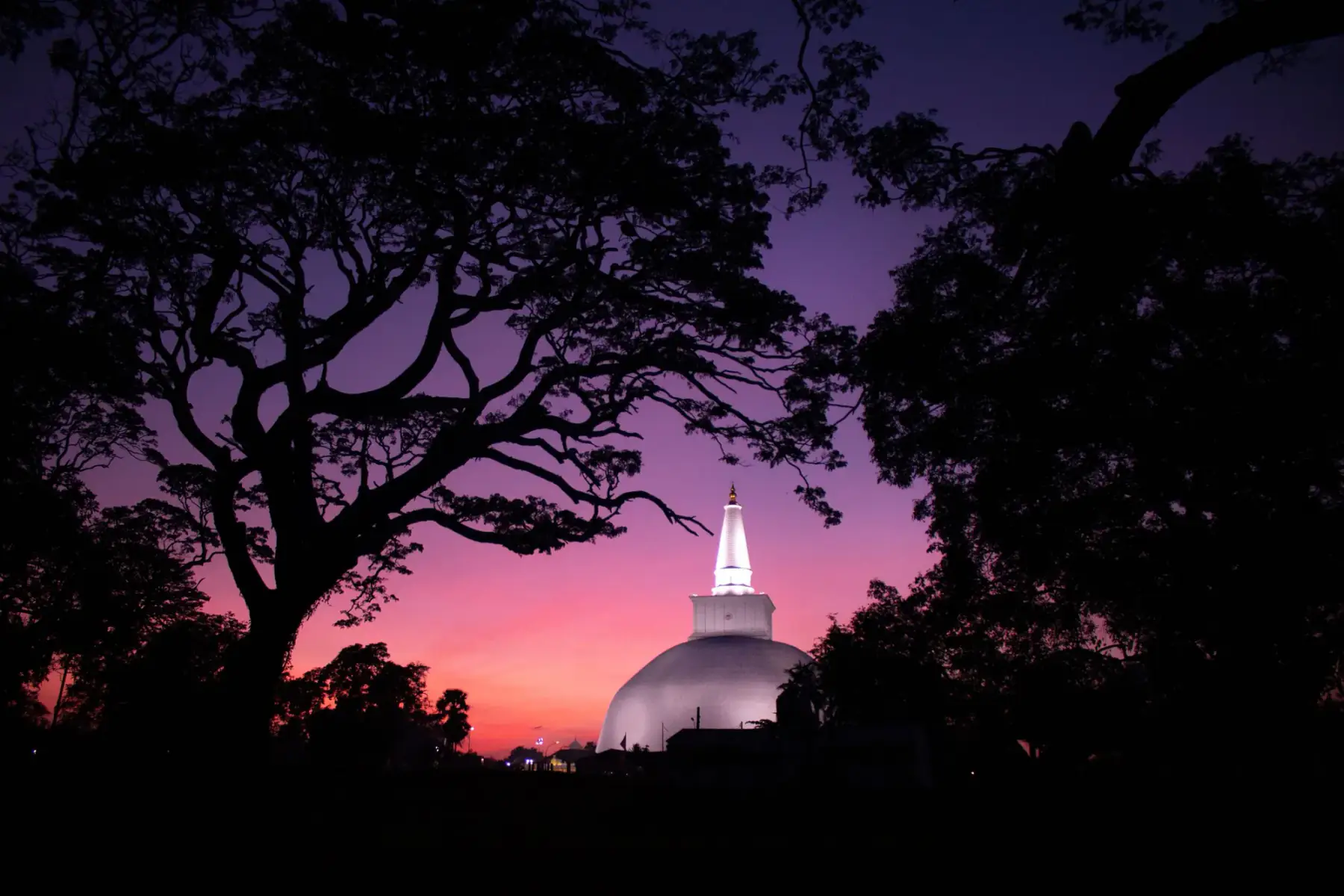
Anuradhapura
A large UNESCO-listed sacred city where archaeological remains and active Buddhist pilgrimage places share one landscape.
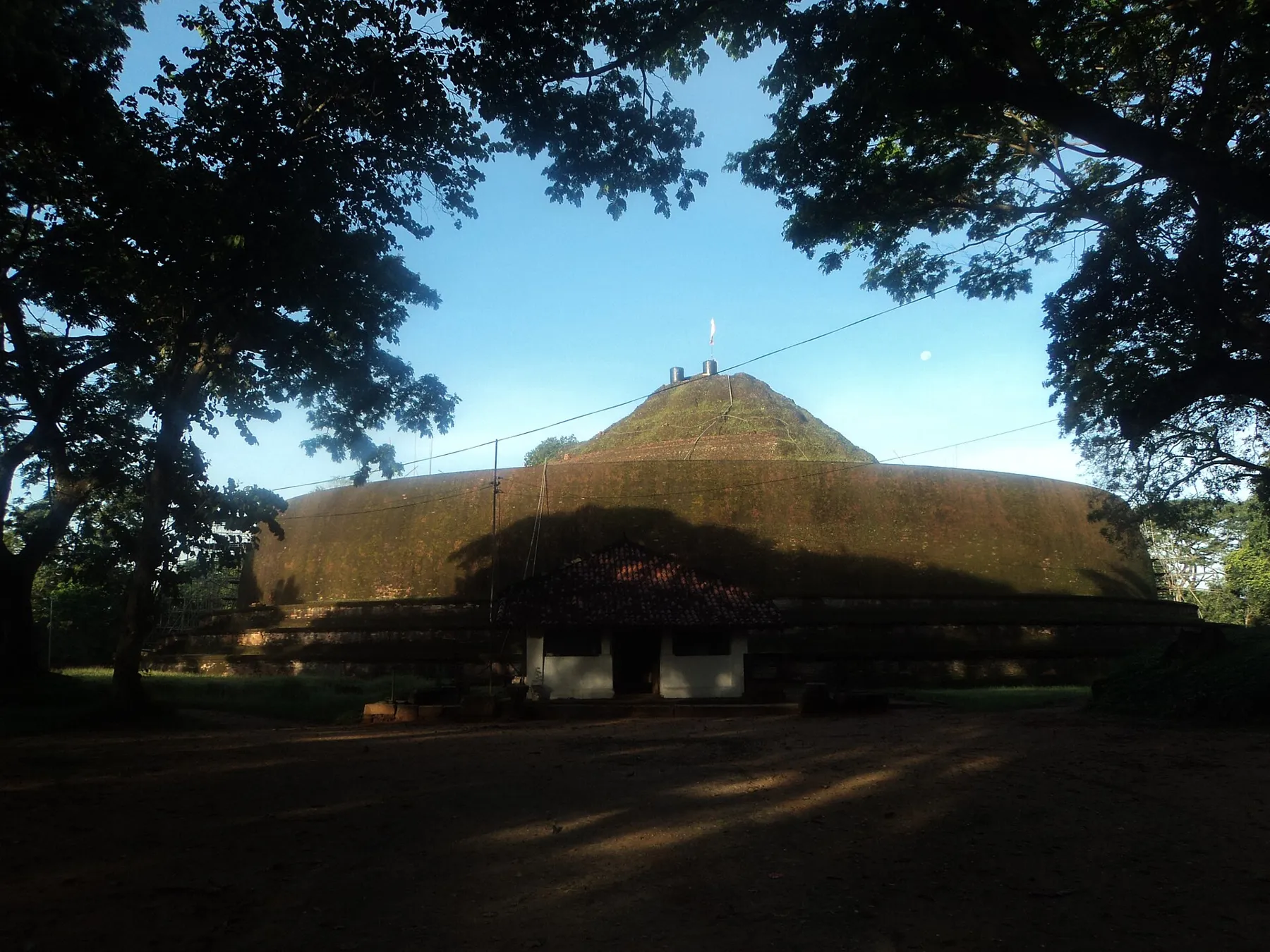
Buttala
A small junction town in Monaragala District between Wellawaya, Kataragama and Monaragala, and the base for three ancient Buddhist sites: the Maligawila Buddha, the Yudaganawa stupa and Dematamal Viharaya. What the Uva tourism board says about each, road times to Ella, Arugam Bay, Kataragama and Tissamaharama, and how to fit Buttala into a route. Checked 26 October 2026.
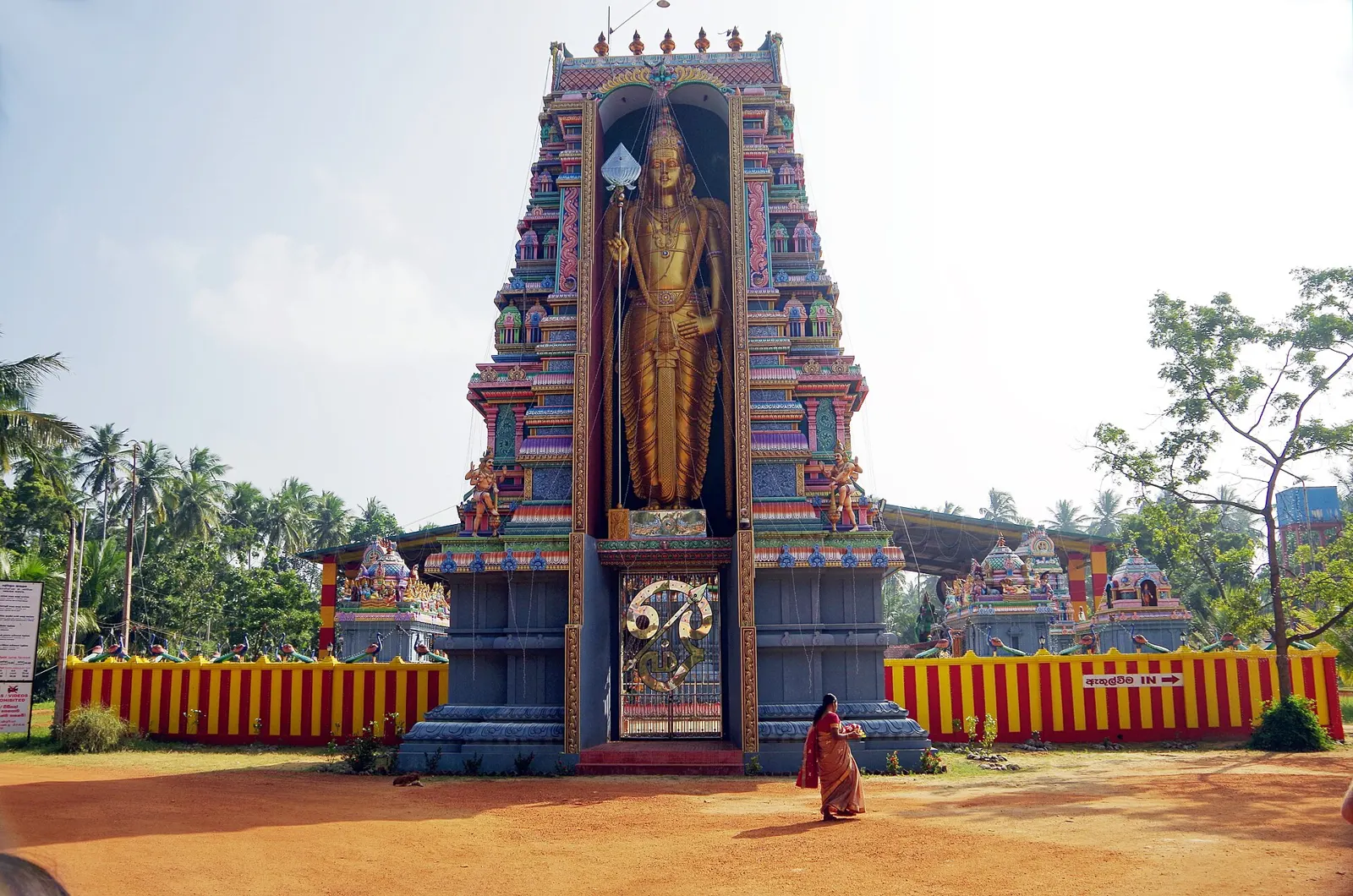
Chilaw
A west coast town about 53 km north of Colombo airport, best known for the Munneswaram Hindu temple and nearby Manavari, both on Sri Lanka Tourism's Ramayana list. Temple hours and pooja times from the official temple site, train and bus fares from Colombo, road times, the latest Puttalam line notices and rain by month. Checked 23 October 2026.
Dambulla
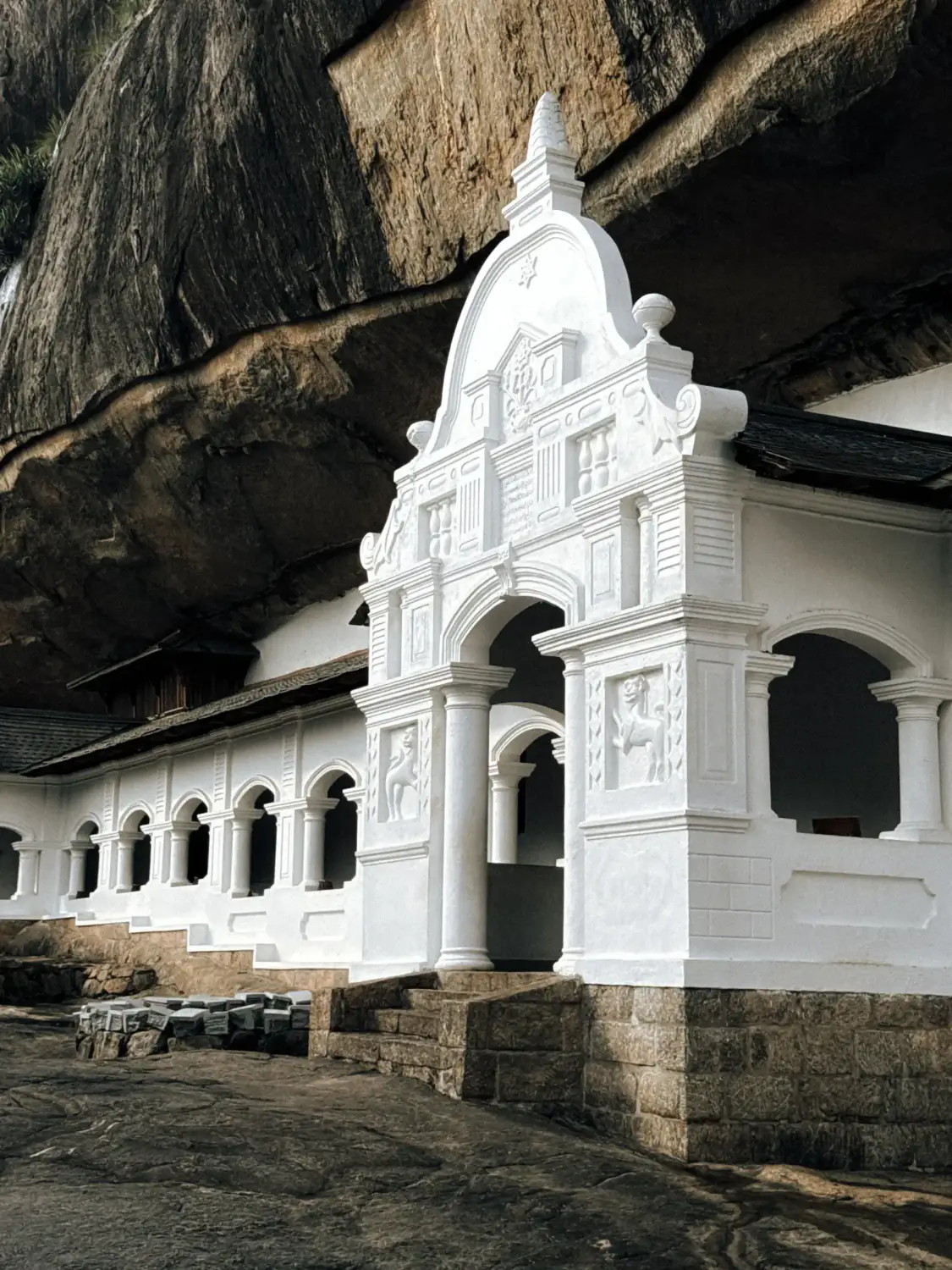
A Cultural Triangle base in Matale District built around the UNESCO-listed Rangiri Dambulla Cave Temple, about 15 km from Sigiriya in a straight line. What to do, day trips with official ticket prices, and when to go, checked 14 October 2026.
Hatton
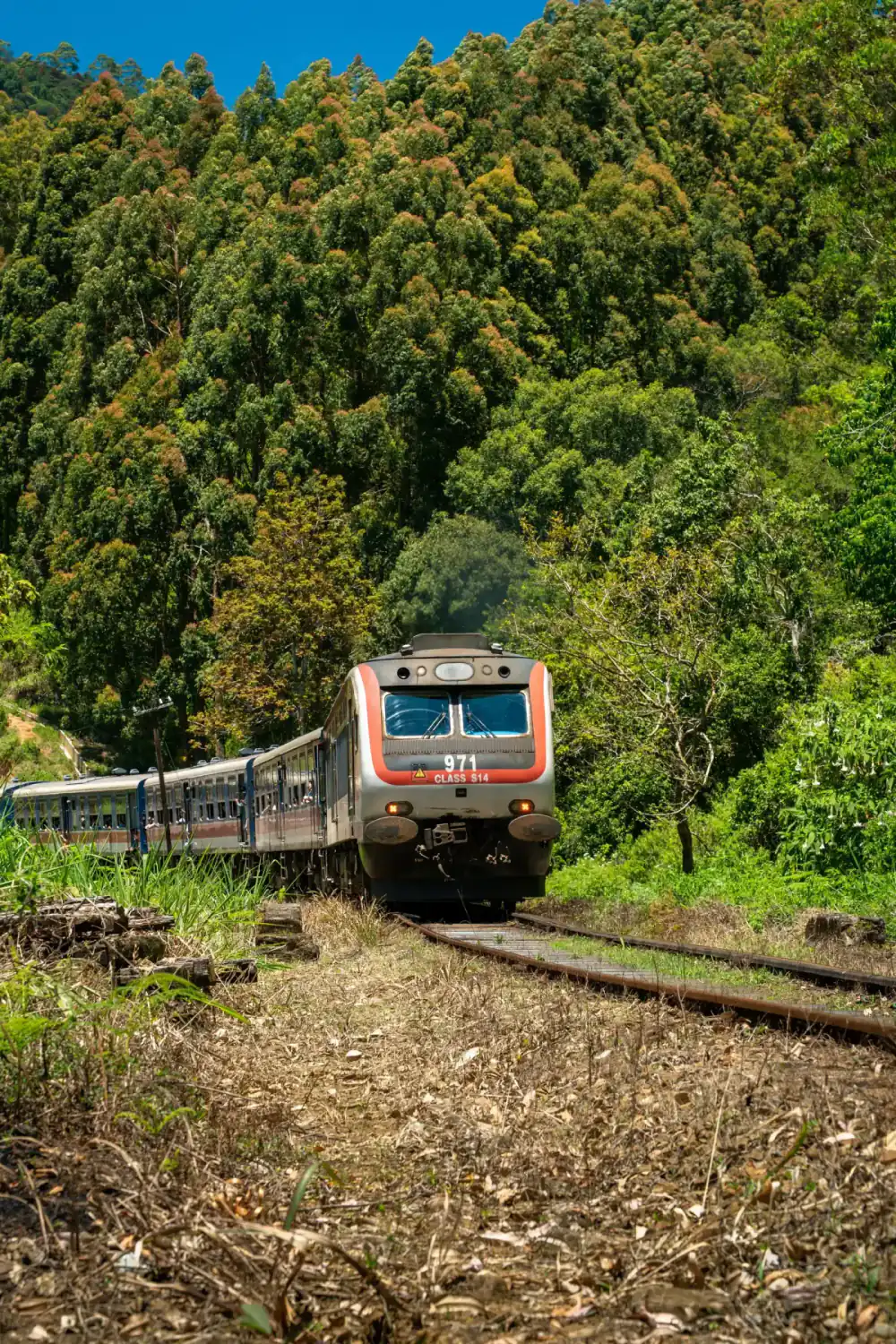
A tea-country transport base used for routes toward Sri Pada, with rail and road details requiring current verification.
Jaffna
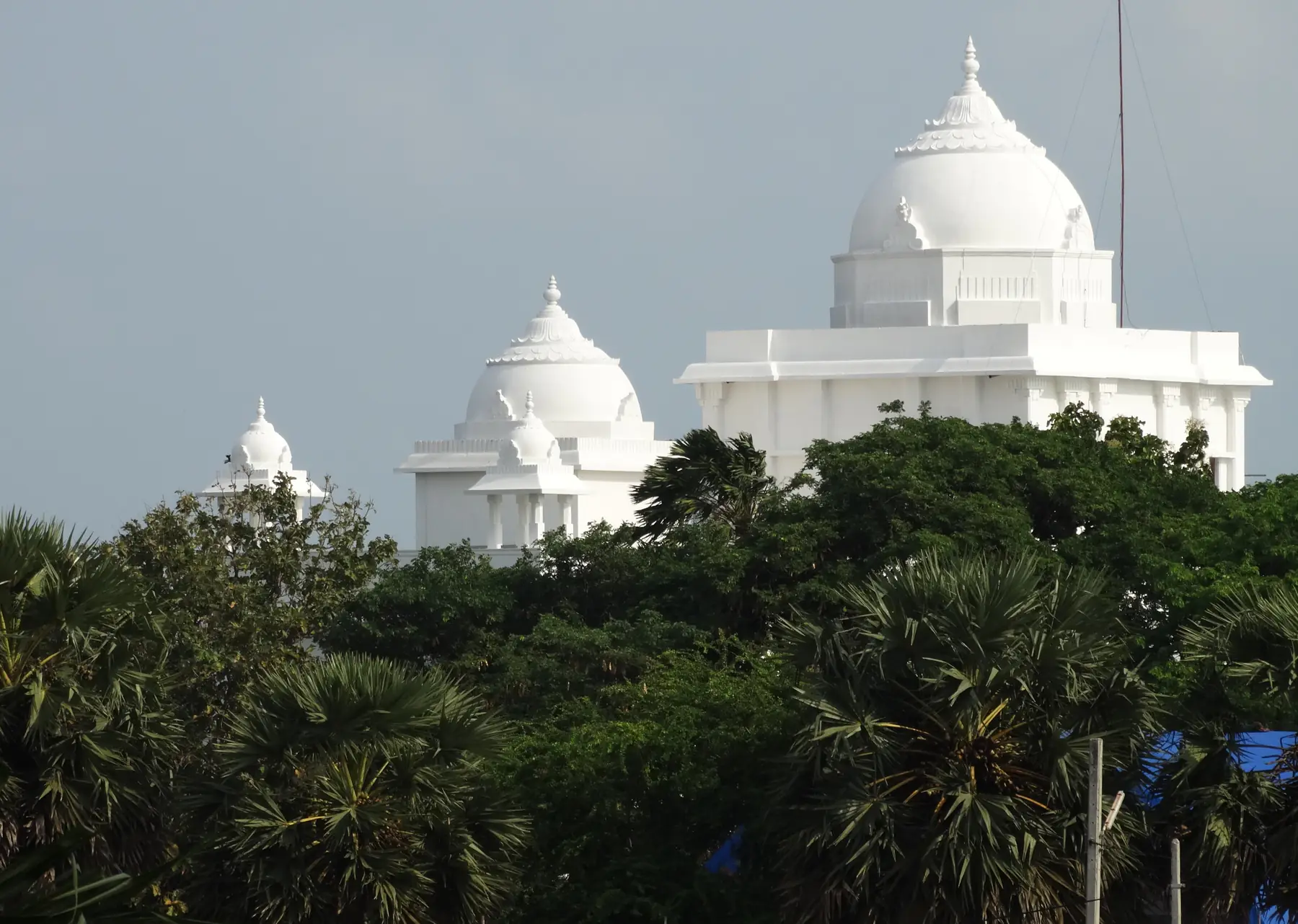
A northern city where active Hindu sites, colonial-era fortifications and peninsula or island routes require distinct planning.
Kalutara
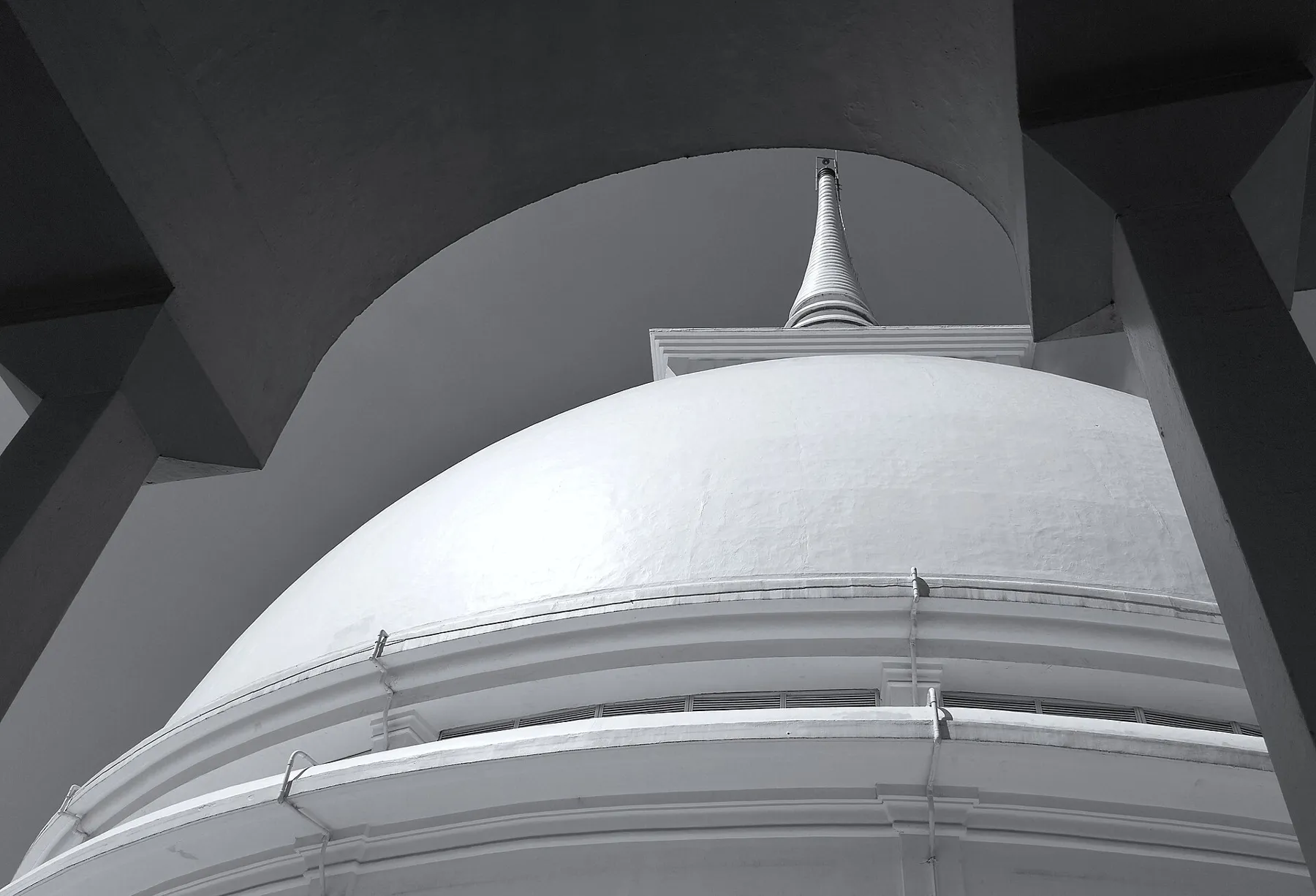
A west coast town about 43 km south of Colombo, known for the Kalutara Bodhiya temple by the Kalu Ganga and Richmond Castle, a 1900s mansion with 99 doors. Train fares, road times, opening hours and the best months, checked 21 October 2026.
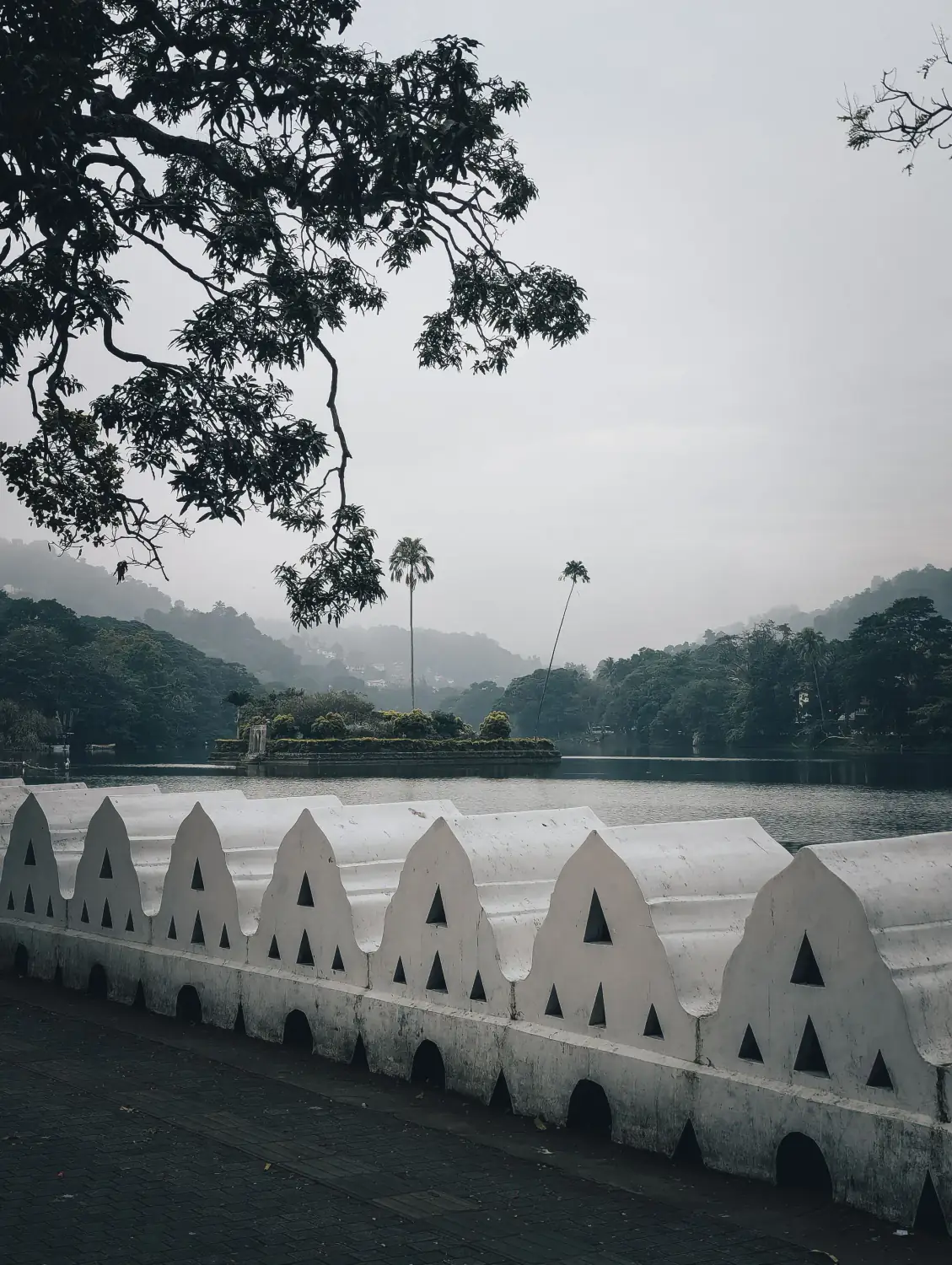
Kandy
A Central Province city whose clearest visitor purpose is the Sacred City of Kandy, the Temple of the Tooth Relic and nearby cultural and natural sites.
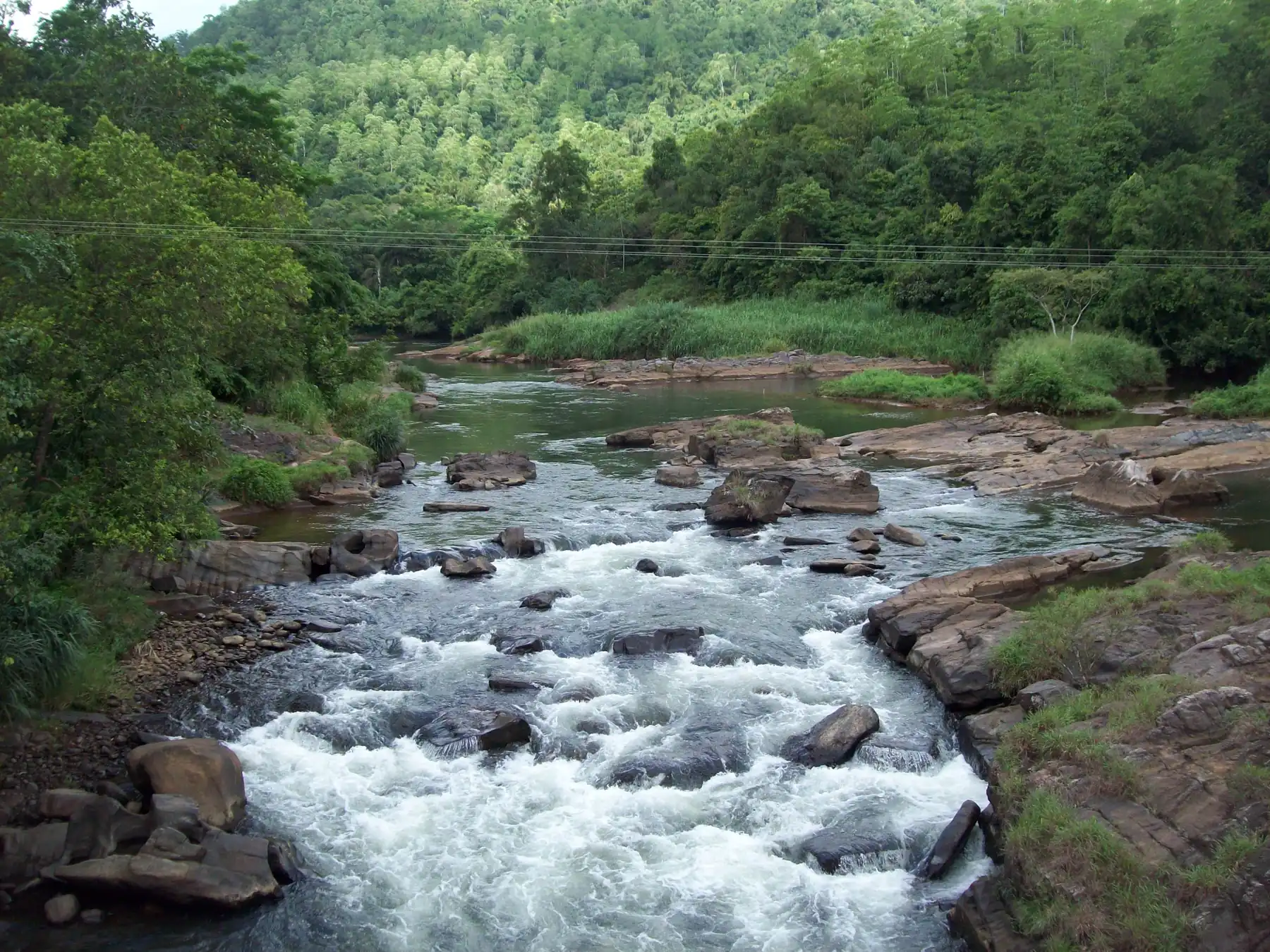
Kitulgala
A riverside village on the Kelani River and the Colombo to Hatton road, known for white-water rafting and the prehistoric Belilena cave. About 88 km by road from Colombo, and a common stop on the way to Hatton, Sri Pada and Nuwara Eliya.
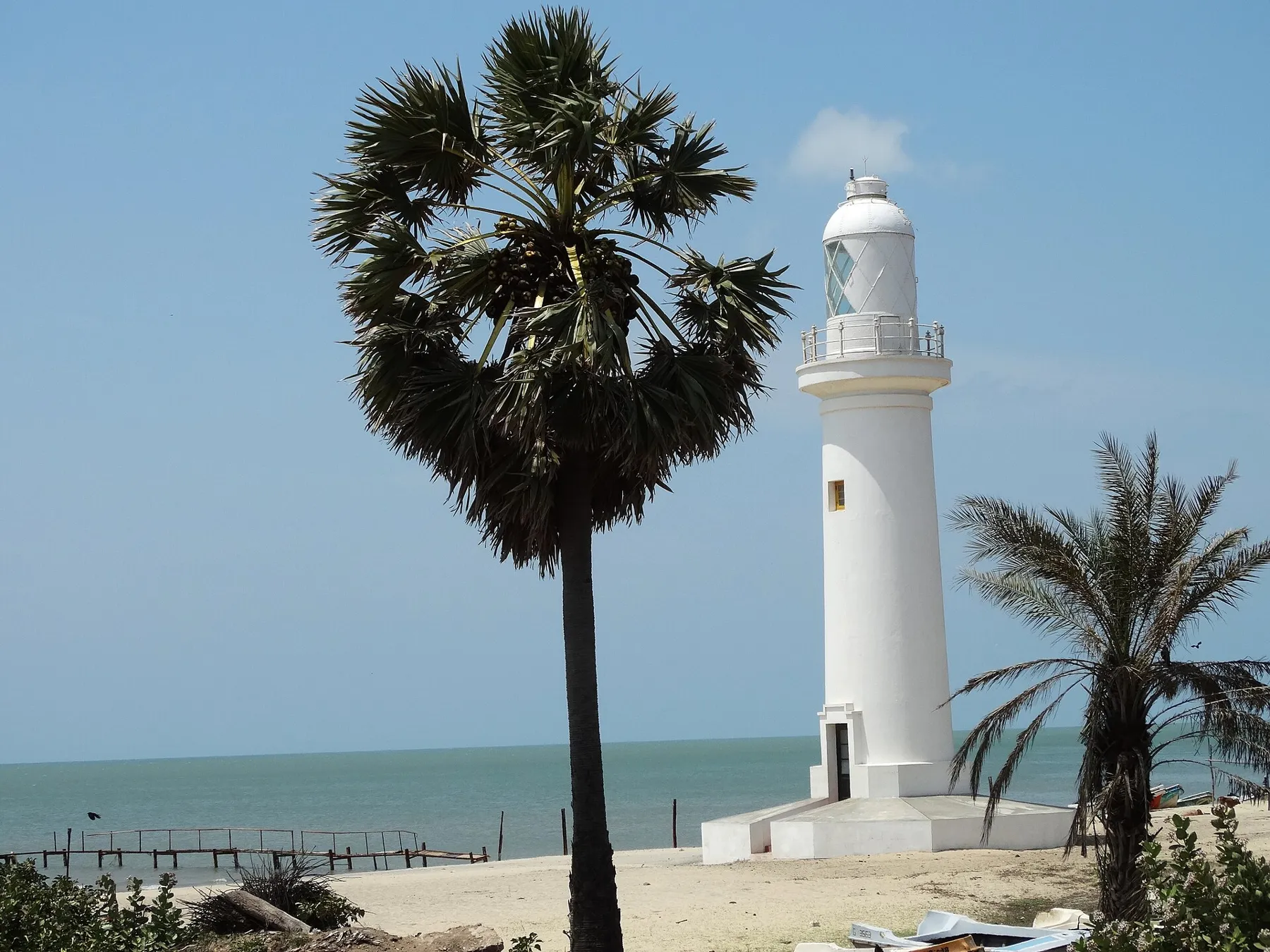
Mannar
An island town in the north-west, joined to the mainland by a causeway, with a Portuguese and Dutch fort, a baobab tree the Department of Archaeology dates to 1477, Thiruketheeswaram temple and Adam's Bridge Marine National Park. Train fares, distances and the best months, checked 21 October 2026.
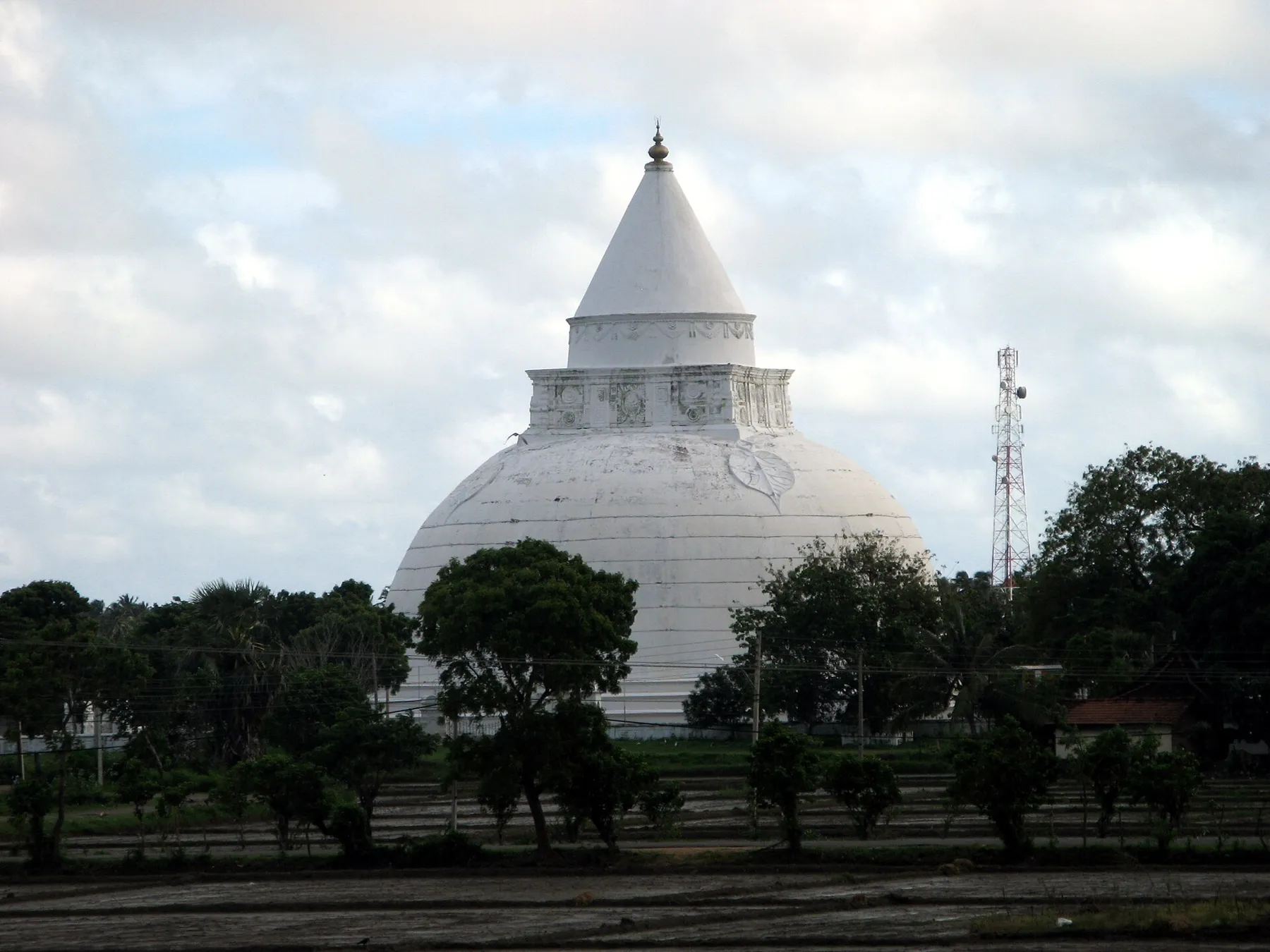
Tissamaharama
A small town on an ancient reservoir in the deep south, about 16 km by road from the Palatupana side of Yala and 17 km from Kataragama, with one of Sri Lanka's largest dagobas. Distances, the nearest railhead, Mattala flights and the best months, checked 21 October 2026.
Places for pilgrimage & sacred sites
Sri Pada (Adam's Peak)
A demanding mountain pilgrimage known as Sri Pada, with current route, season and worship arrangements requiring local verification.
Sacred City of Anuradhapura
A World Heritage sacred city established around a cutting from the Buddha's tree of enlightenment and shaped by centuries as a political and religious capital.
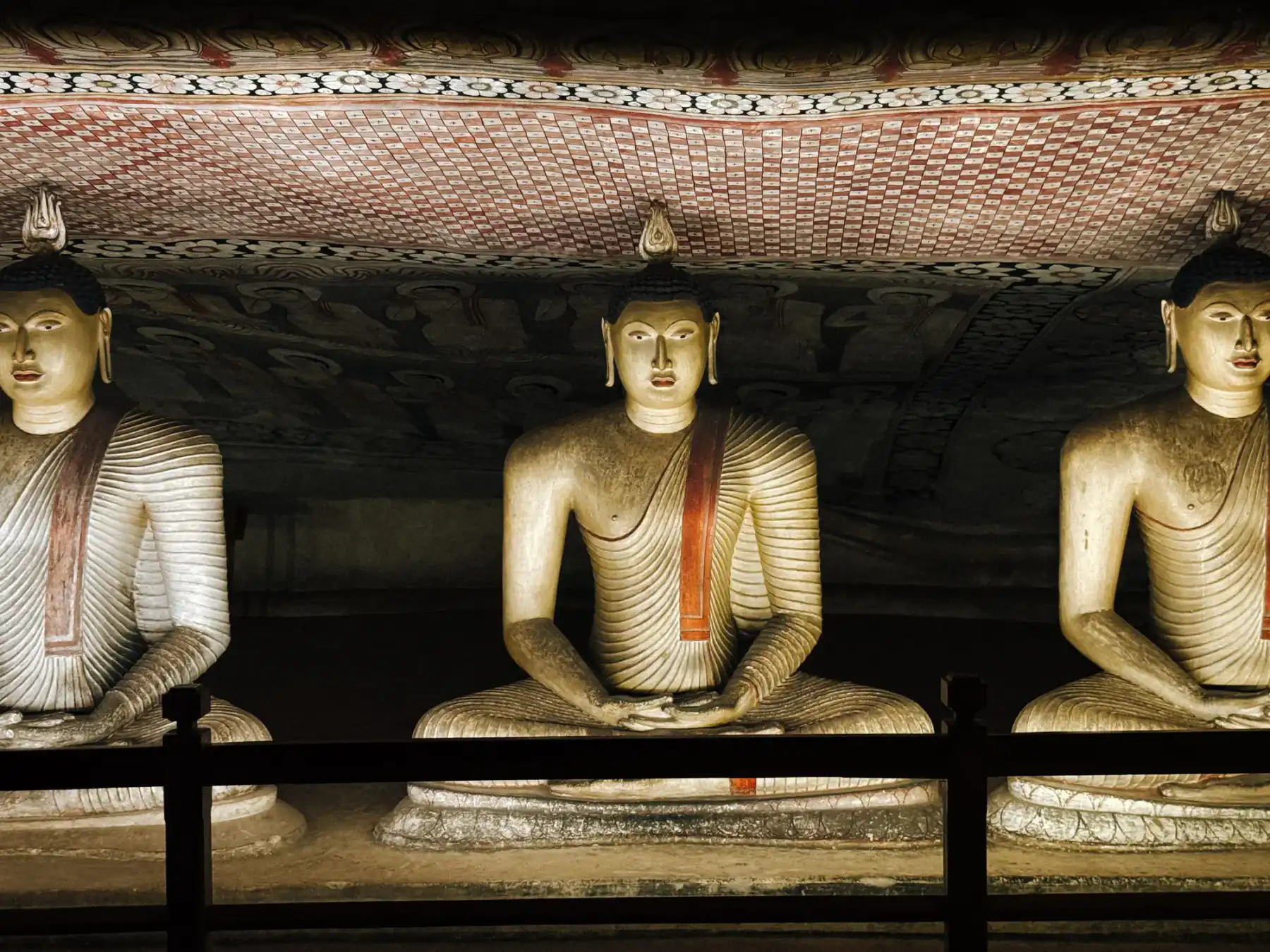
Rangiri Dambulla Cave Temple
A living Buddhist pilgrimage site organised around five cave shrines, inscribed on the World Heritage List in 1991.
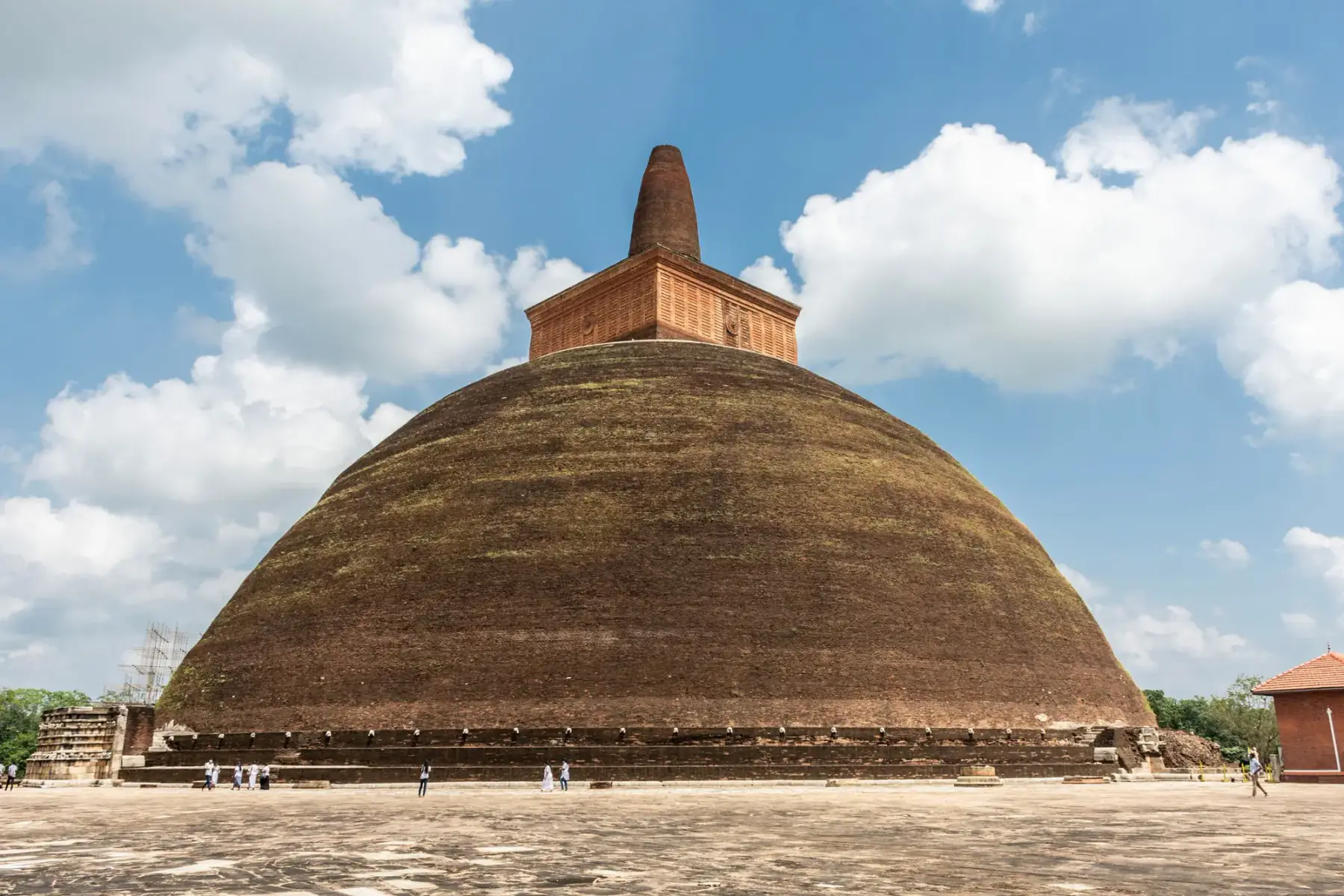
Jaya Sri Maha Bodhi
A living Buddhist pilgrimage place at the centre of Anuradhapura's sacred-city tradition.
Kataragama Sacred Precinct
An active deep-south pilgrimage precinct interpreted through multiple traditions, requiring site-specific cultural guidance.
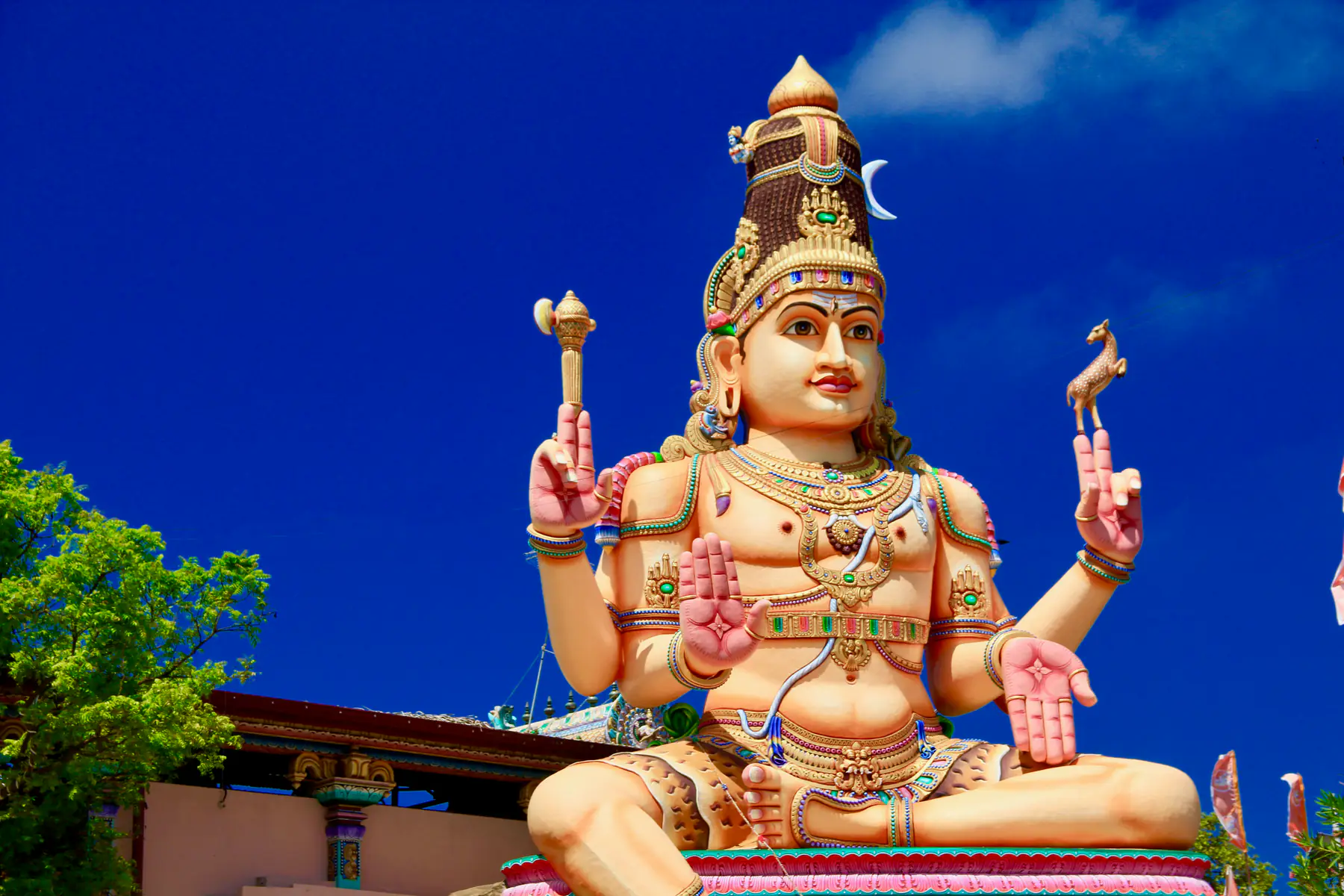
Koneswaram Temple
An active Hindu temple dedicated to Shiva on Swami Rock in Trincomalee, requiring respectful, current site guidance.
Mihintale
An active Buddhist pilgrimage and archaeological landscape near Anuradhapura, traditionally linked to Buddhism's arrival in Sri Lanka.
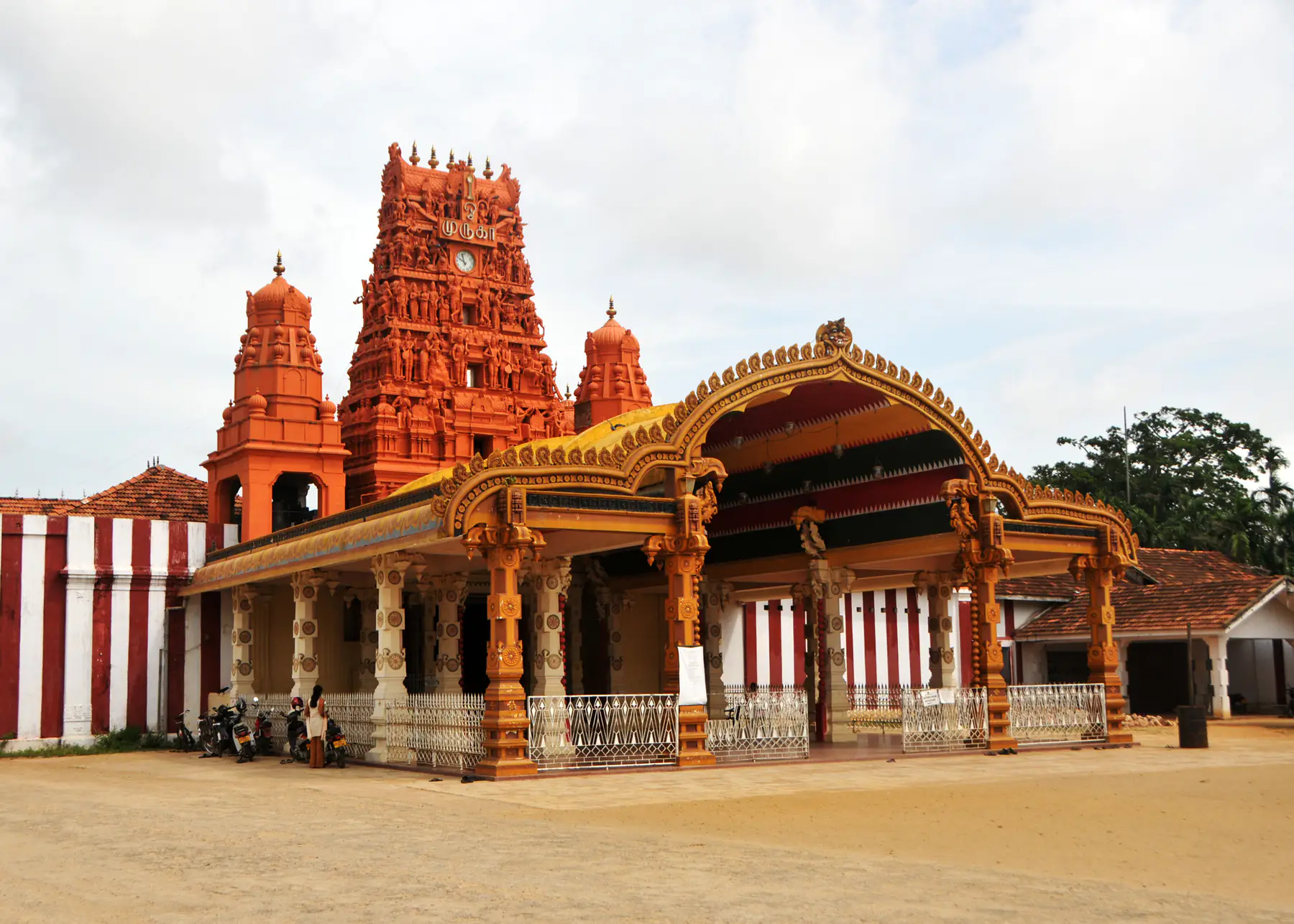
Nallur Kandaswamy Temple
An active Hindu temple in Jaffna dedicated to Murugan. Daily pooja times, opening hours and the dress code for men and women, checked on 16 October 2026 against the temple's official website.
Sacred City of Kandy
The UNESCO-listed sacred city of Sri Lanka's last Sinhala royal capital, centred on the Temple of the Sacred Tooth Relic.
Temple of the Sacred Tooth Relic
An active Buddhist place of worship in Kandy that enshrines the Sacred Tooth Relic and anchors the UNESCO-listed sacred city.