Kataragama and Multi-Faith Pilgrimage
A culturally careful planning guide to Kataragama's active pilgrimage precinct and its tradition-specific practices.
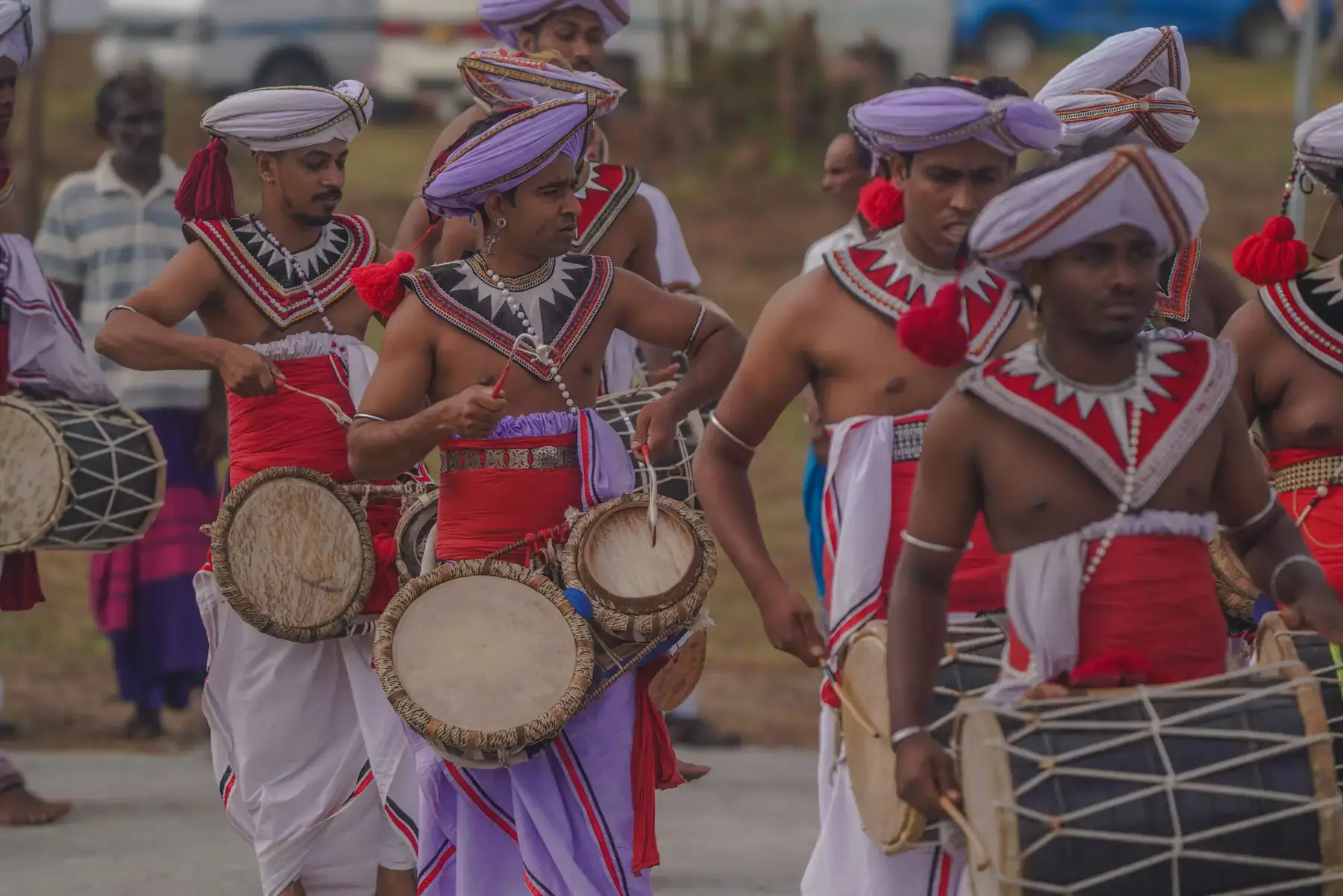
Kataragama is an active deep-south pilgrimage precinct associated with more than one religious and cultural tradition. “Multi-faith” describes shared geography; it does not mean every community uses the same shrine, theology or ritual in the same way.
Kataragama and Sri Pada are different
Sri Pada is a mountain pilgrimage centred on a summit footprint and a demanding ascent. Kataragama is a precinct with multiple ritual spaces. The comparison is useful for logistics, not for declaring one model of religious sharing.
Build the route around pilgrimage
Choose Kataragama because the pilgrimage matters, not merely because a safari transfer passes nearby. If combining it with a park, verify both the sacred-site schedule and the exact park entrance. The deep-south guide helps separate those decisions.
Current checks
Check festival and ceremony dates, crowd controls, clothing, offerings and photography directly. Do not describe rituals as guaranteed performances. Start with the Kataragama place page and follow current custodial guidance.
What “multi-faith” does and does not establish
The term is useful when it signals that more than one community relates to the same wider geography. It becomes misleading when it implies a shared theology, identical ritual, equal access to every space or one agreed interpretation of the precinct. Shared landscapes are listed on the multi-faith sacred sites page.
A responsible visitor guide should therefore name the specific shrine, institution or tradition when explaining an act of worship. If that detail has not been verified, it is better to say that the precinct contains distinct sacred spaces than to invent a neat summary.
Decide what kind of visit you are making
Pilgrimage
If the traveller is going for worship, build the route around the relevant institution, religious date and required preparation. Confirm whether offerings, vows, dress or participation require guidance from a knowledgeable community source.
Cultural learning
If the purpose is to understand the precinct, begin with its active status. Observe without blocking worship, ask before photographing and avoid treating a ritual as a performance scheduled for visitors.
A stop within a southern route
If Kataragama sits between a coast and a national park, decide whether the sacred visit has enough time and purpose to be respectful. Do not promise that a brief transfer stop will coincide with a ceremony.
Planning the day
Confirm the exact sacred space, current access, weather, transport and return plan. A useful brief includes:
- the institution or tradition relevant to the visit;
- the purpose: worship, learning or both;
- any verified ceremony or observance time for that date;
- clothing, footwear, offering and photography guidance;
- crowd-control or road changes;
- the pickup point if the precinct restricts vehicle movement; and
- what the traveller will do if access changes.
Do not publish an old festival date as though it repeats automatically. Religious and lunar calendars require a year-specific check.
Combining Kataragama with Yala or another park
Kataragama and a safari can fit the same wider region, but they answer different intents. For the park, verify Department of Wildlife Conservation access, permit arrangements, the intended entrance and the operator's conduct. For Kataragama, verify the sacred-site schedule and custodial guidance.
Avoid a day that treats worship as an optional photo stop squeezed between wildlife drives. If both matter, assign each a defined time and preserve a fallback if the park, road or ceremony arrangement changes.
Visiting during a festival
A festival can change traffic, accommodation demand, crowd controls and access. Confirm the year's date through responsible sources and determine whether the traveller wants to participate religiously, observe respectfully or avoid the busiest period. The festival calendar guide explains the two-source verification method.
Do not assume that every ritual is public or suitable for photography. Follow instructions at the site, and do not position yourself in a way that obstructs worshippers or processions.
Kataragama or Sri Pada?
Choose Kataragama for its precinct-based pilgrimage context in the deep south. Choose Sri Pada when the mountain ascent and the traveller's tradition-specific relationship to the summit are the purpose. Sri Pada demands separate evaluation of weather, route, season, physical capability and nighttime or early-morning logistics.
They should not be ranked as interchangeable “multi-faith attractions.” The better choice is the pilgrimage that carries meaning for the traveller and can be planned responsibly.
More ancient sites nearby: Buttala, about 45 km and 50 minutes by road from Kataragama, has Yudaganawa, Dematamal Viharaya and the Maligawila Buddha.
Sources
Last verified 2026-08-28
Covered in this guide
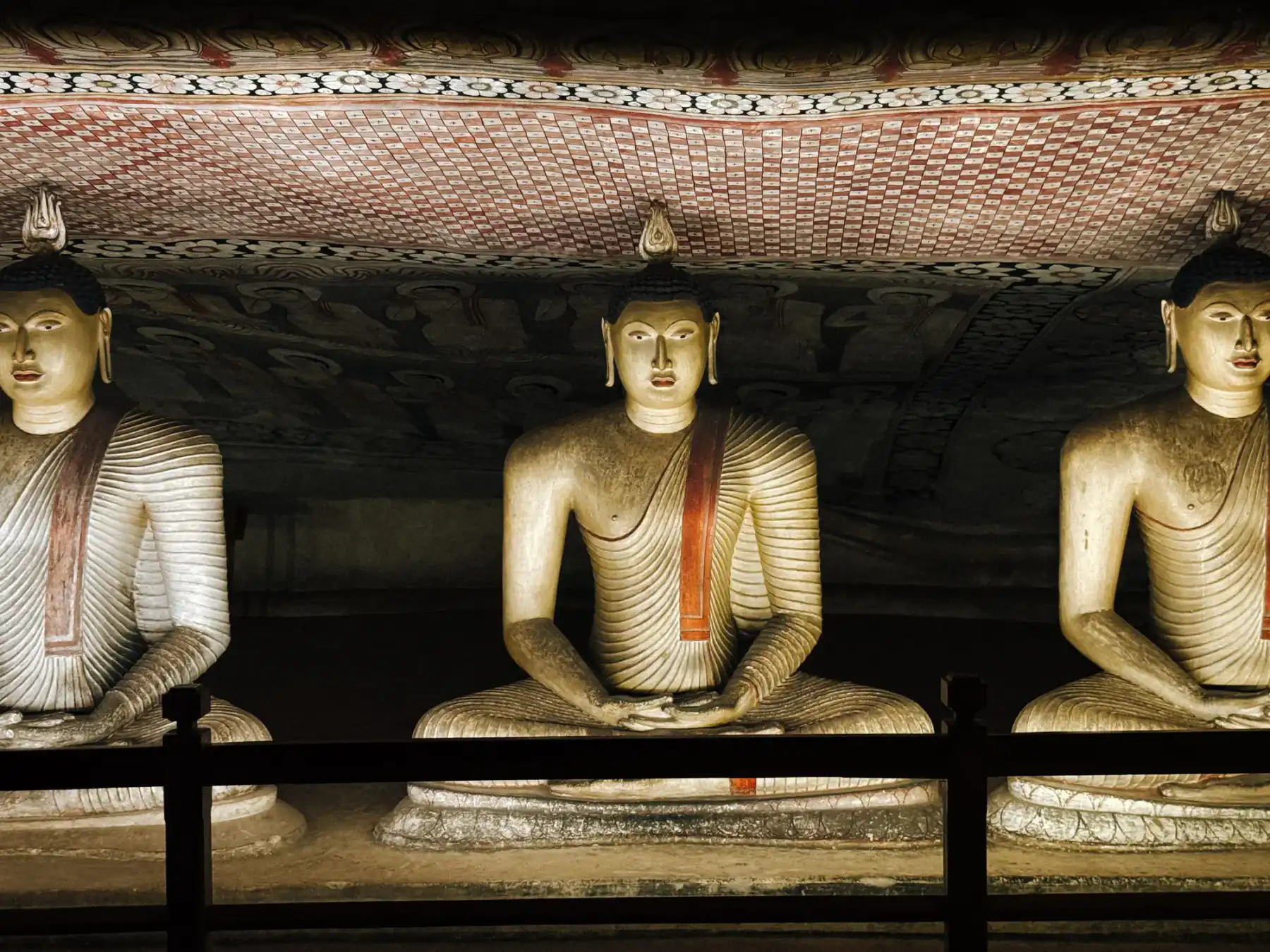
Kataragama Sacred Precinct
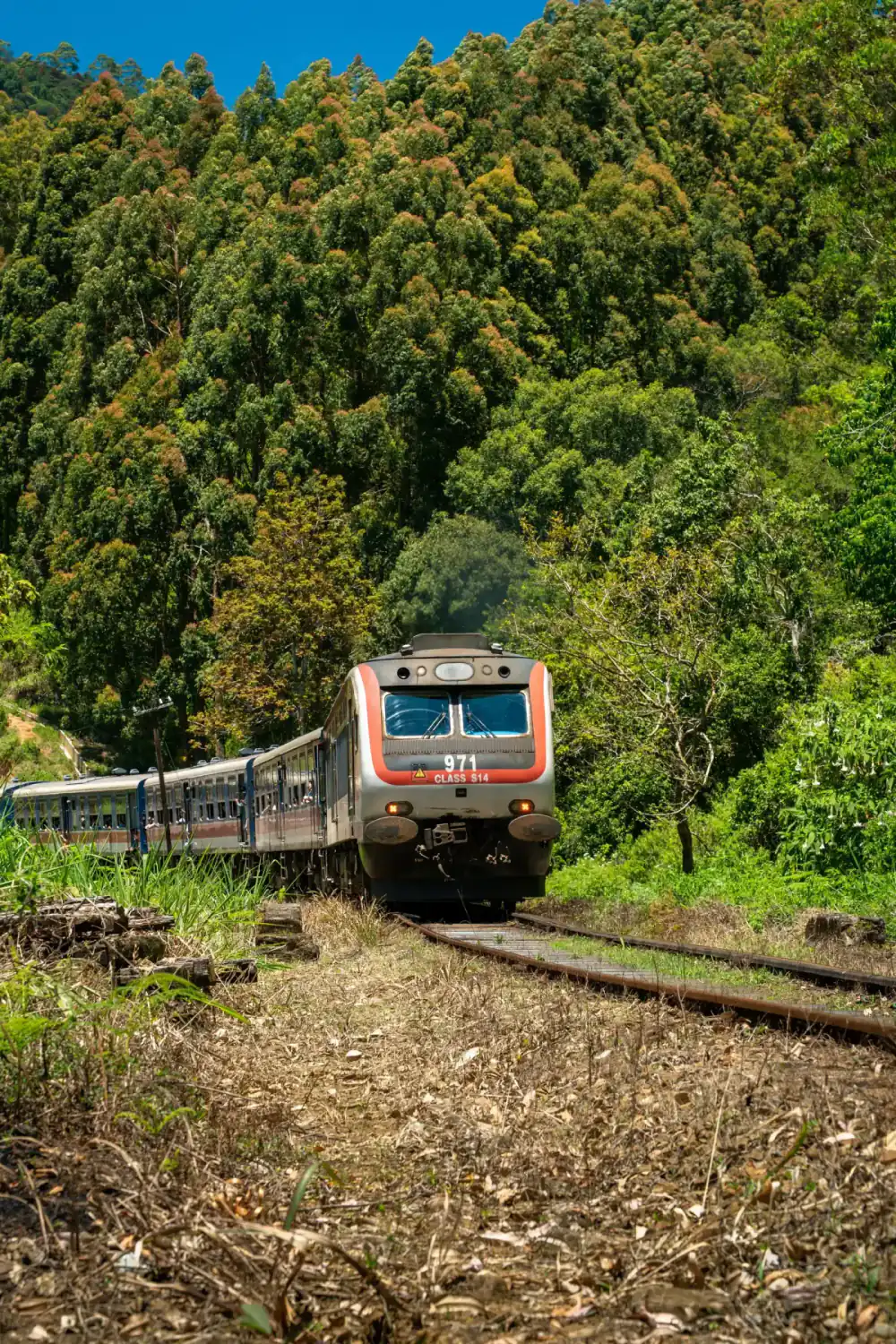
Sri Pada (Adam's Peak)
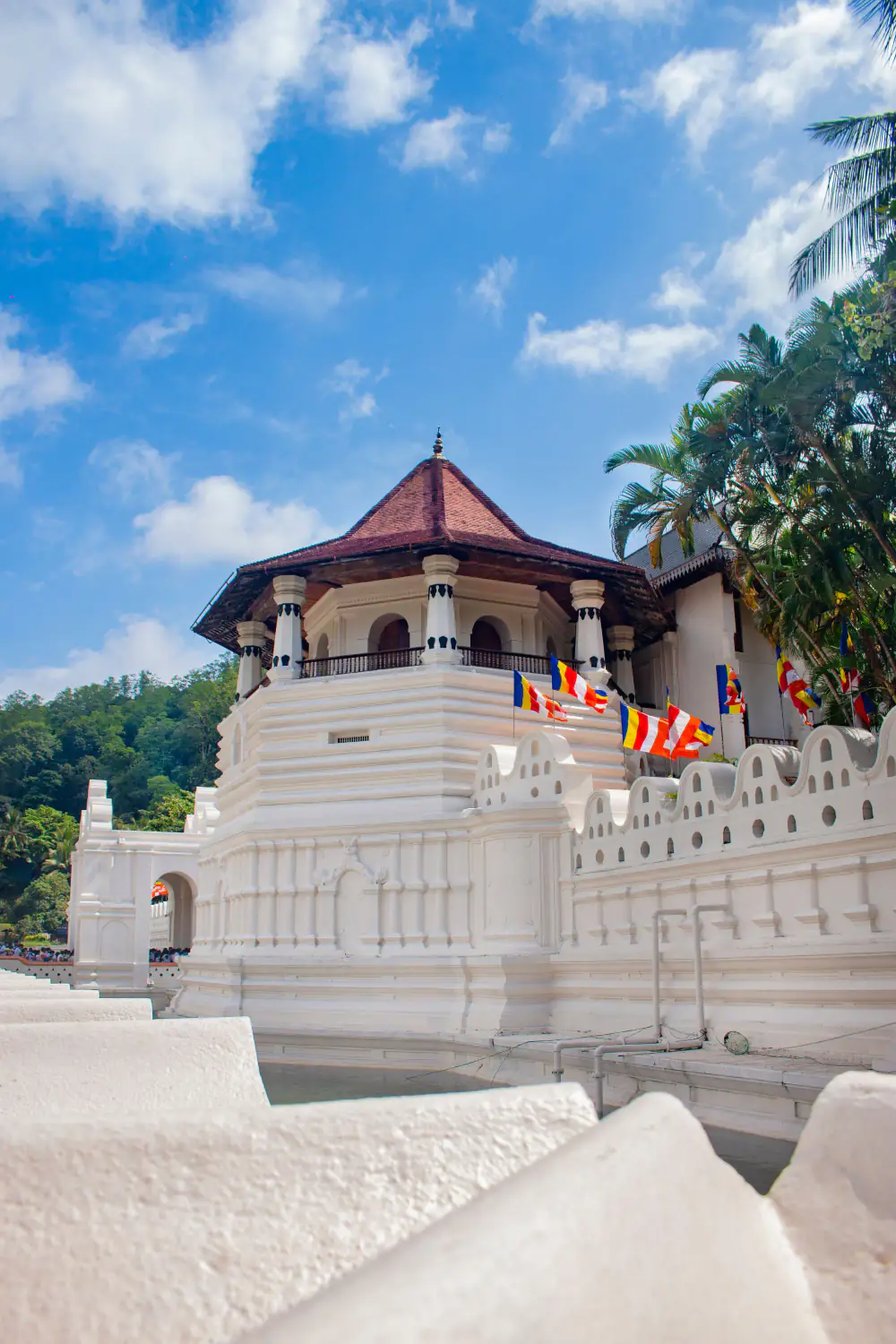
Pilgrimage & Sacred Sites
Hambantota
Related guides
All guides
Sri Lanka for Muslim Travellers
A verification-first planning framework for Muslim travellers, using public HAC certification material and the government mosque register without overstating what either source proves.
Visiting Sacred Sites: What to Know Before You Go
Prepare conservatively, then follow the current rules of each active Buddhist, Hindu, Islamic, Christian or multi-faith site.
Buddhist Pilgrimage Circuit
A flexible route framework for active Buddhist sites in Anuradhapura, Mihintale and Kandy, with Sri Pada treated separately.