Is Sigiriya the Eighth Wonder of the World?
No official UNESCO designation names Sigiriya an eighth wonder; its verified status is the Ancient City of Sigiriya World Heritage property.
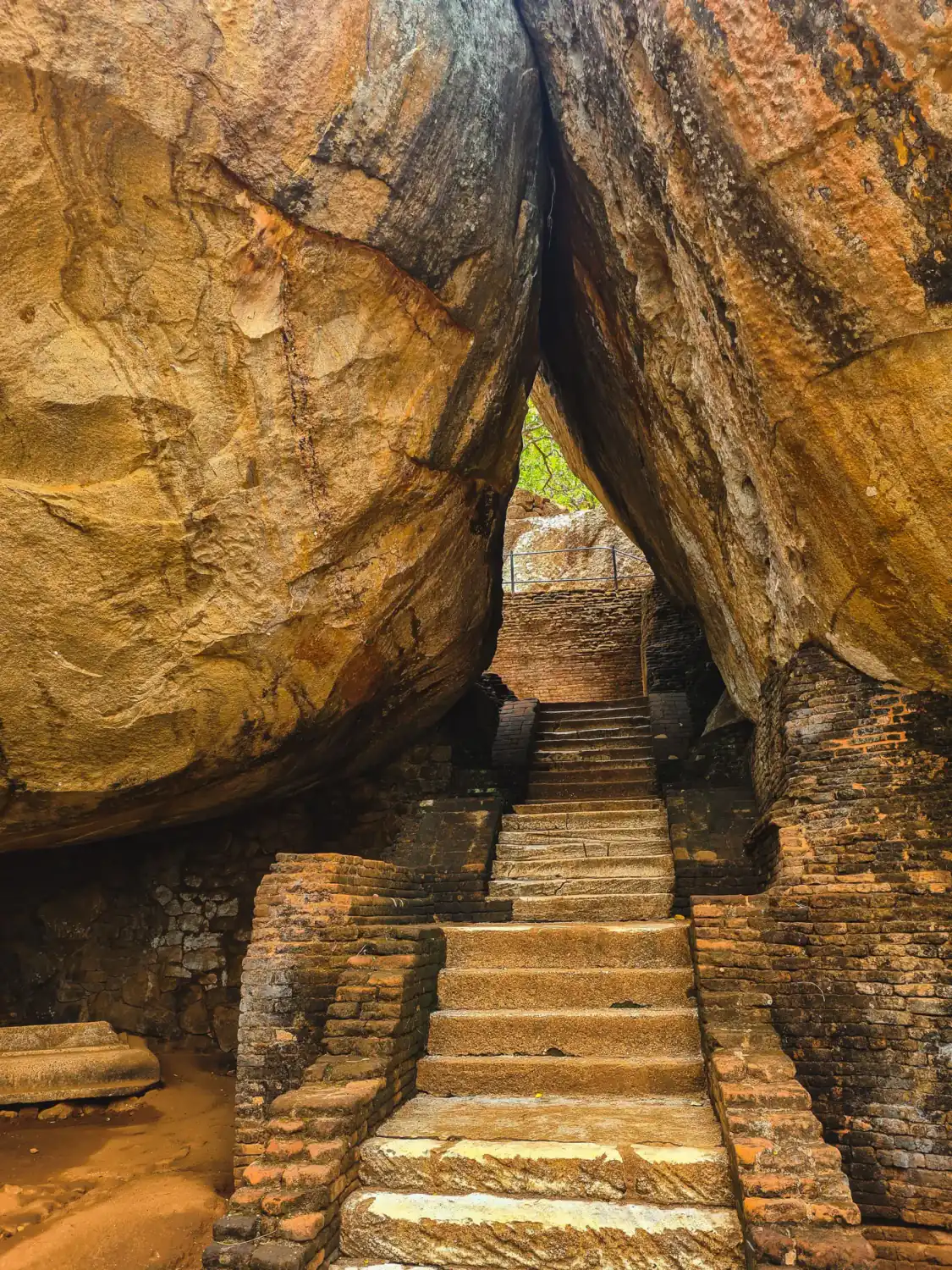
No official UNESCO designation calls Sigiriya the “eighth wonder of the world.” The verified designation is Ancient City of Sigiriya, a cultural property inscribed on the World Heritage List in 1982.
What UNESCO actually records
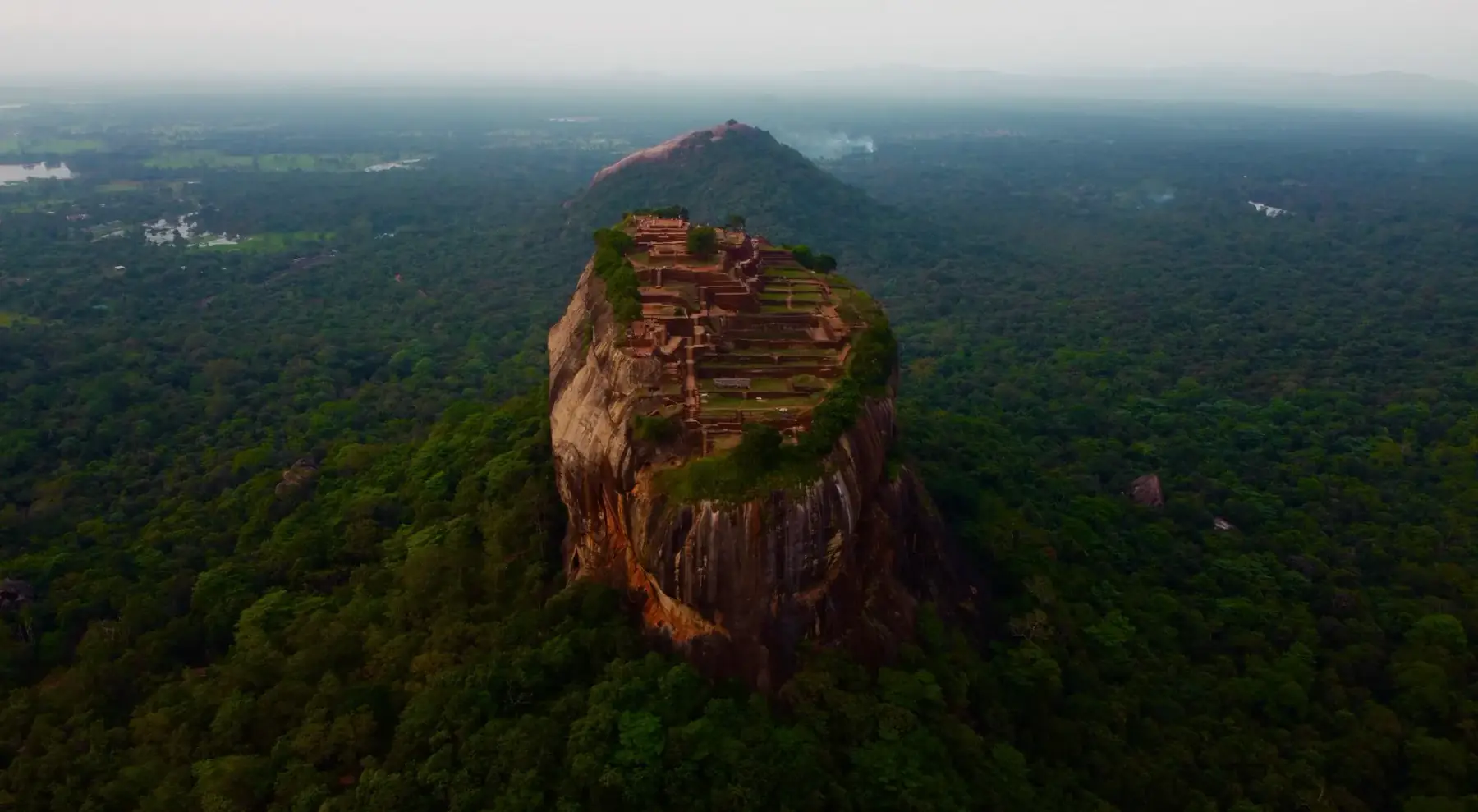
UNESCO lists the property under criteria (ii), (iii) and (iv). Its description places the ruins of King Kassapa I's capital, dated to 477–495, across the slopes and summit of a granite peak about 180 metres high. Galleries and stairways formed part of an approach associated with a monumental lion.
Those are documented heritage facts. “Eighth wonder” is not one of the property's listed names, criteria or designations.
Why the distinction matters
Calling a popular phrase an official title invents a credential. Sigiriya does not need that inflation: its archaeological and World Heritage significance can be described accurately from the primary record.
The phrase can still appear in a question or be attributed as an informal label. It should not be presented as a status awarded by UNESCO or as proof that Sigiriya belongs to an authoritative numbered list.
What to use when describing Sigiriya
Use:
- Ancient City of Sigiriya;
- UNESCO World Heritage property;
- inscribed in 1982; and
- the documented history and physical description in UNESCO's listing.
Avoid “official eighth wonder,” “UNESCO's eighth wonder,” or any wording that turns the informal phrase into a formal award.
For the site's history, tickets, physical demands and current checks, continue to the Ancient City of Sigiriya guide. For base selection, use the Sigiriya town guide.
Is there an official eighth-wonder authority?
UNESCO maintains the World Heritage List and publishes the official record for the Ancient City of Sigiriya. That record does not award an “eighth wonder” title. This fact check does not need to prove that no person or publication has ever used the phrase; many informal lists and promotional descriptions can coexist. The narrower, verifiable conclusion is that the phrase is not Sigiriya's UNESCO designation.
That distinction matters because “UNESCO World Heritage property” is a traceable status with an inscription record and criteria. “Eighth wonder” is a rhetorical label unless a publisher names the particular list, author and method behind it.
What UNESCO criteria mean here
UNESCO lists Sigiriya under cultural criteria (ii), (iii) and (iv). Those criteria form part of the official inscription record. They should be reported as the property's World Heritage basis, not converted into a global ranking against other monuments.
The listing describes the ruins of the capital built by King Kassapa I, the granite peak, galleries and stairways associated with the monumental lion. These are stronger facts for an article, caption or itinerary than an unsupported numerical title.
How the informal phrase should be written
If the phrase is relevant to the reader's question, attribute and qualify it:
- “Sigiriya is sometimes promoted informally as an eighth wonder of the world.”
- “The phrase is popular, but it is not the site's official UNESCO title.”
- “UNESCO lists the property as the Ancient City of Sigiriya.”
Do not write:
- “UNESCO named Sigiriya the eighth wonder.”
- “Sigiriya is officially the world's eighth wonder.”
- “Sigiriya ranks eighth among the wonders of the world.”
Those versions add an institution, official status or ranking that the World Heritage record does not support.
Why accurate wording helps travellers
Inflated labels hide the decisions a visitor actually needs to make. A traveller needs to distinguish the archaeological property from the surrounding destination, understand that the visit involves exposed and elevated areas, verify current tickets and access, and decide whether Sigiriya or Dambulla is the better base.
Accurate terminology improves those decisions:
- Ancient City of Sigiriya identifies the World Heritage property.
- Sigiriya destination identifies the practical base and surrounding stay.
- Sigiriya Rock Fortress is a common descriptive name used by the Central Cultural Fund.
- Eighth wonder remains an informal promotional phrase, not an operational fact.
Sigiriya and other World Heritage properties
Sri Lanka has eight properties on UNESCO's World Heritage List. Inclusion does not mean UNESCO ranks them from first to eighth. Each property has its own inscription record, values and management context. The Sri Lanka World Heritage collection links to all eight without presenting one as the official winner.
Rangiri Dambulla Cave Temple is a separate World Heritage property. The Sigiriya-or-Dambulla guide compares them as base priorities without treating heritage status as a contest.
A source-checking template
When a travel claim uses words such as “official,” “UNESCO,” “world's best” or a numbered rank:
- Open the named institution's primary record.
- Find the exact title or designation.
- Check whether the source ranks, lists or merely describes the place.
- Attribute informal language to the publisher that uses it.
- Remove the claim if the authority and method cannot be identified.
Applied to Sigiriya, that process produces a clear answer: it is officially a UNESCO World Heritage property called the Ancient City of Sigiriya; “eighth wonder” is an informal label.
Sources
Last verified 2026-08-28
Covered in this guide
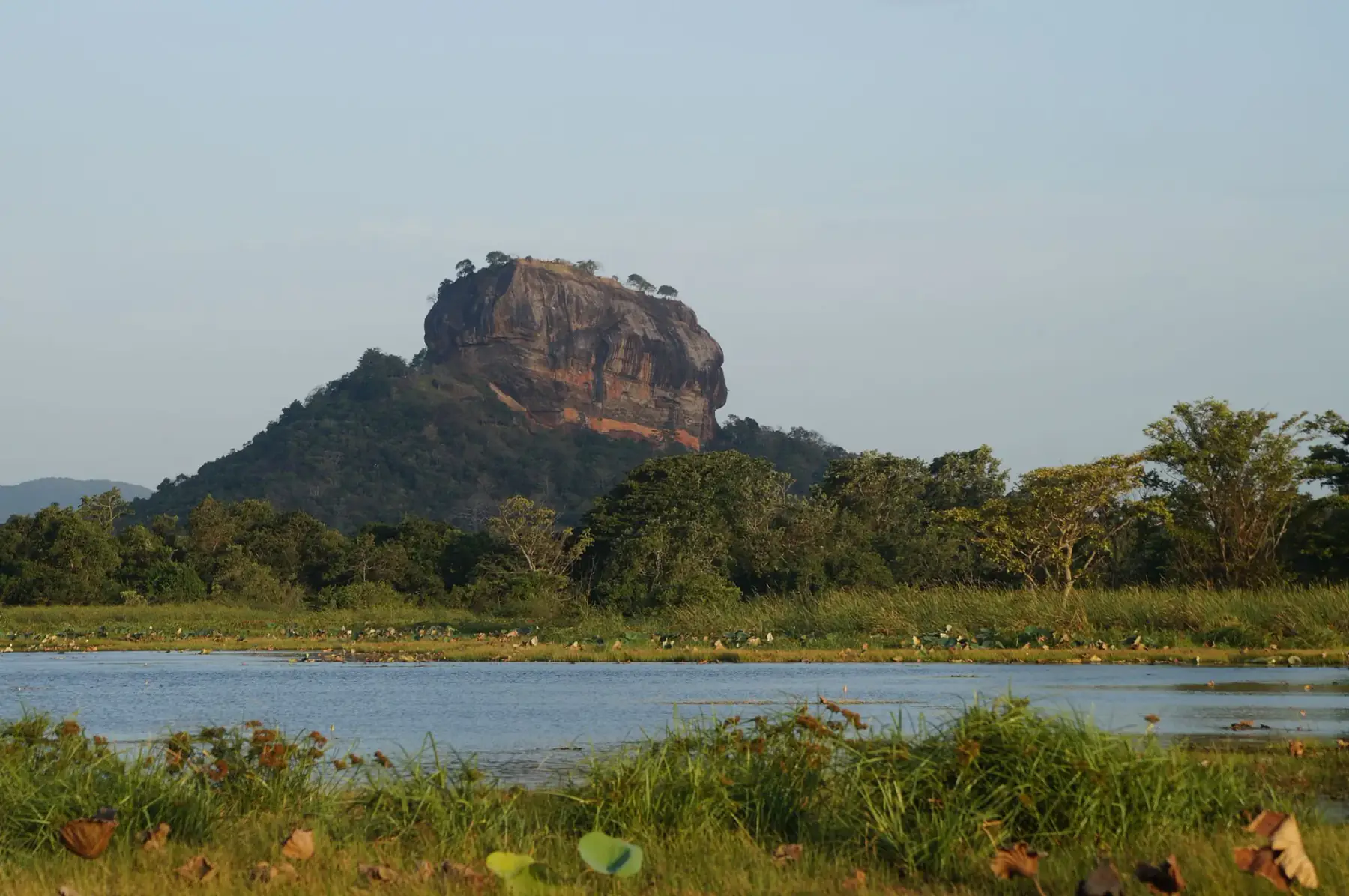
Ancient City of Sigiriya
Sigiriya
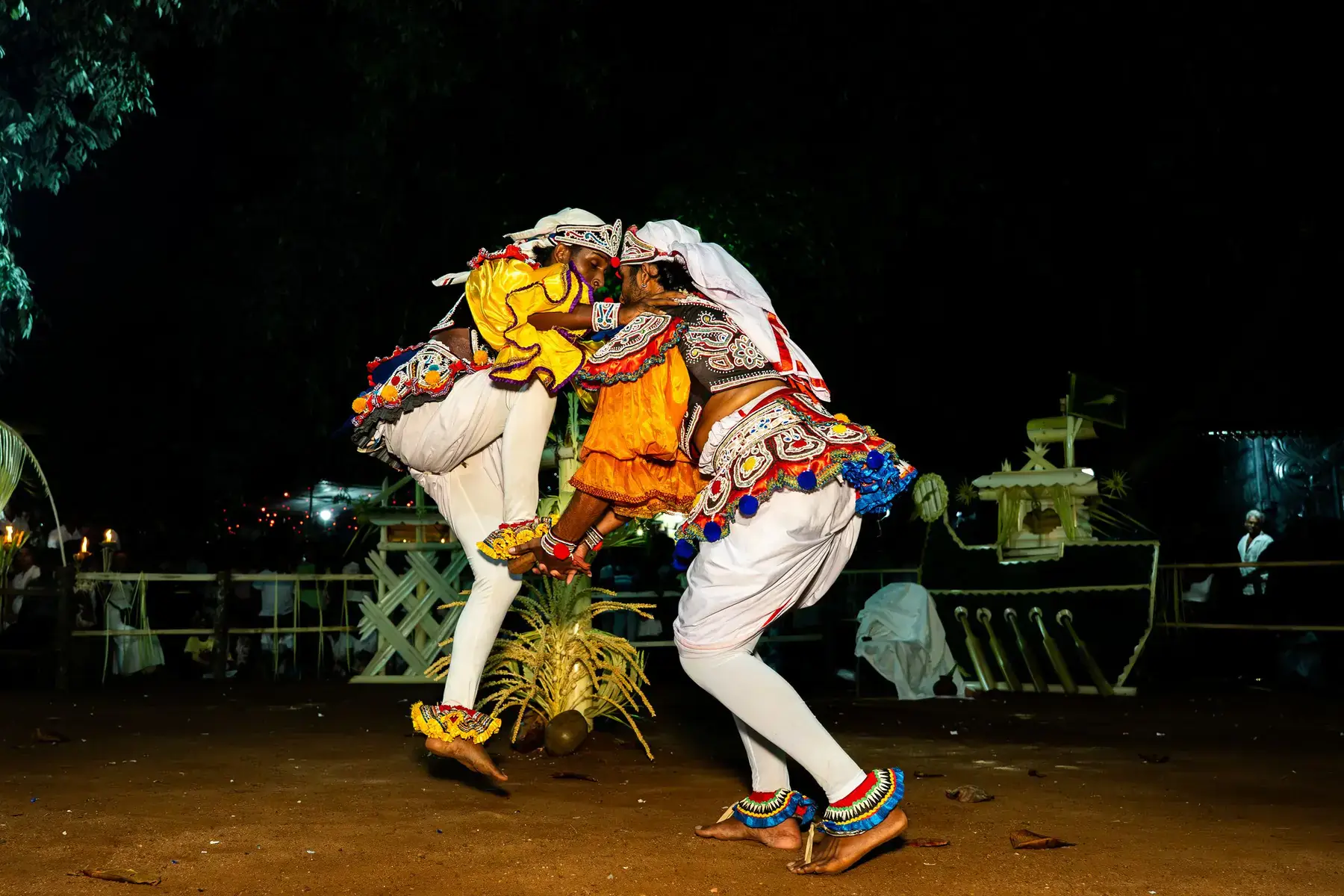
Cultural Heritage
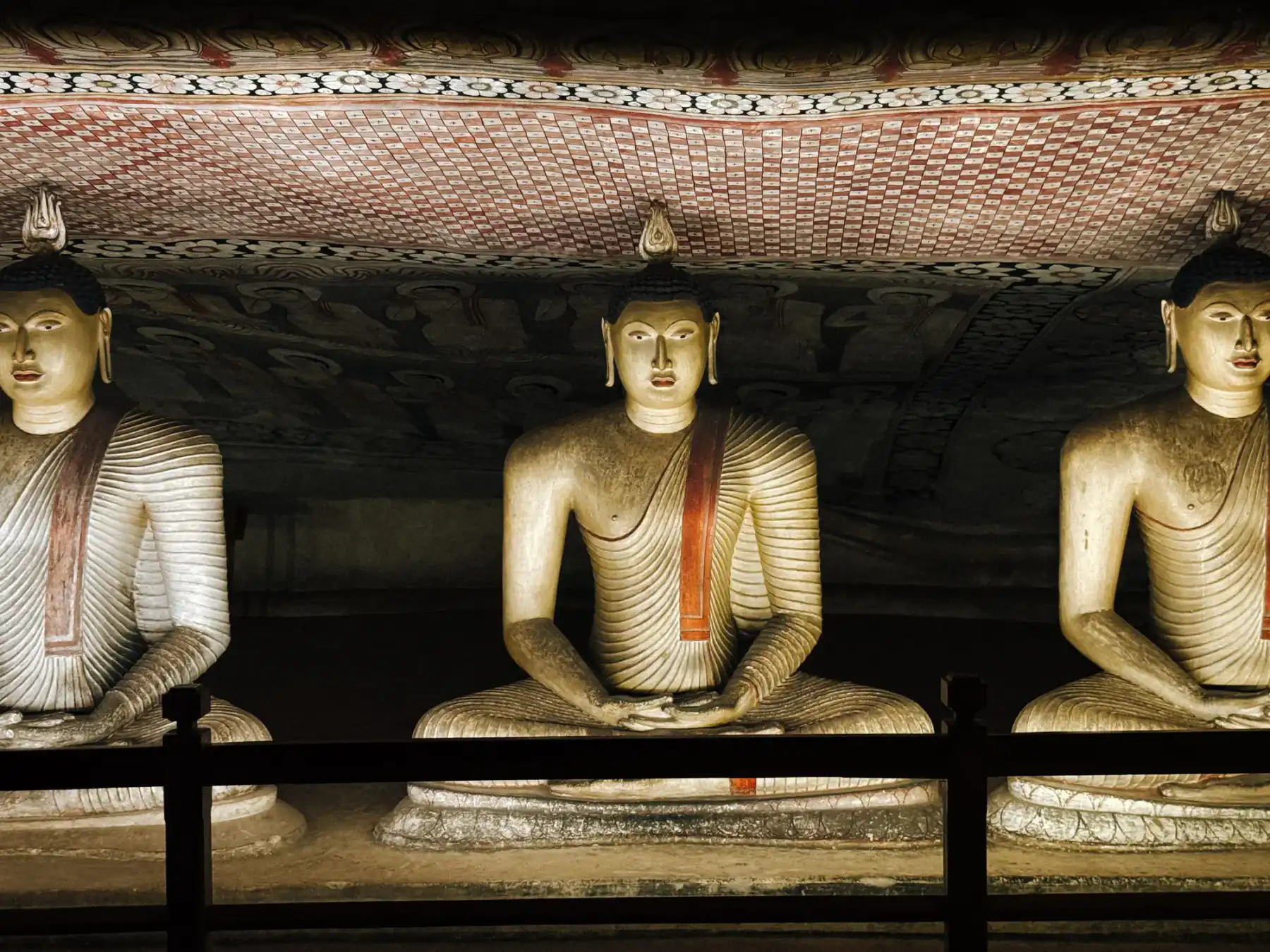
Rangiri Dambulla Cave Temple
Related guides
All guides
Colombo Airport to Dambulla
Colombo airport to Dambulla: about 128 km and 2 h 15 min with no traffic, the airport taxi counter's fixed fare card compared with Sigiriya and Habarana, two buses via Kurunegala, the expressway route and a same-day cave temple timing table. Checked 27 October 2026.
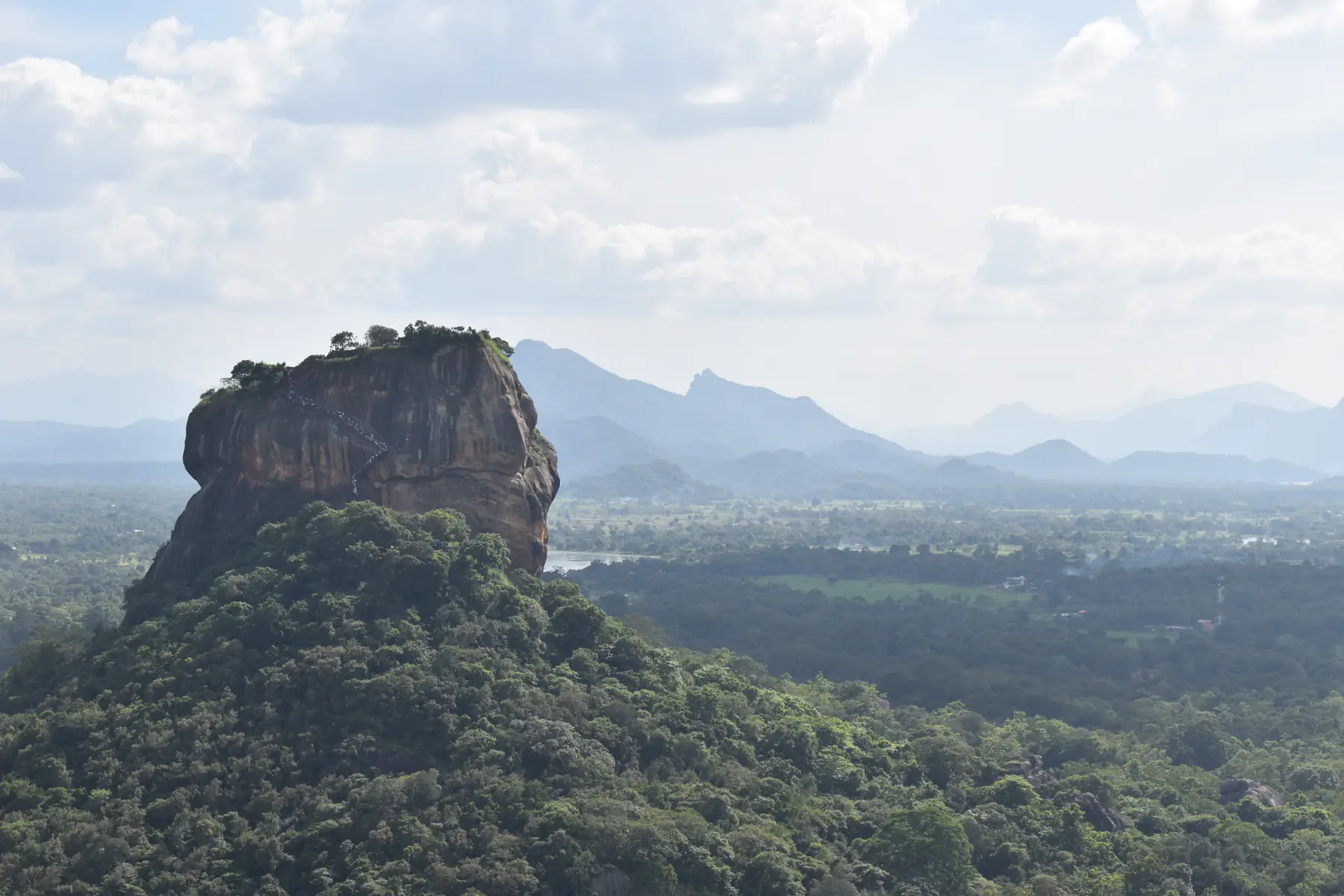
Sigiriya or Dambulla: Where Should You Stay?
Choose Sigiriya or Dambulla as a Cultural Triangle base by starting with the heritage site you want to prioritise and verifying each transfer.
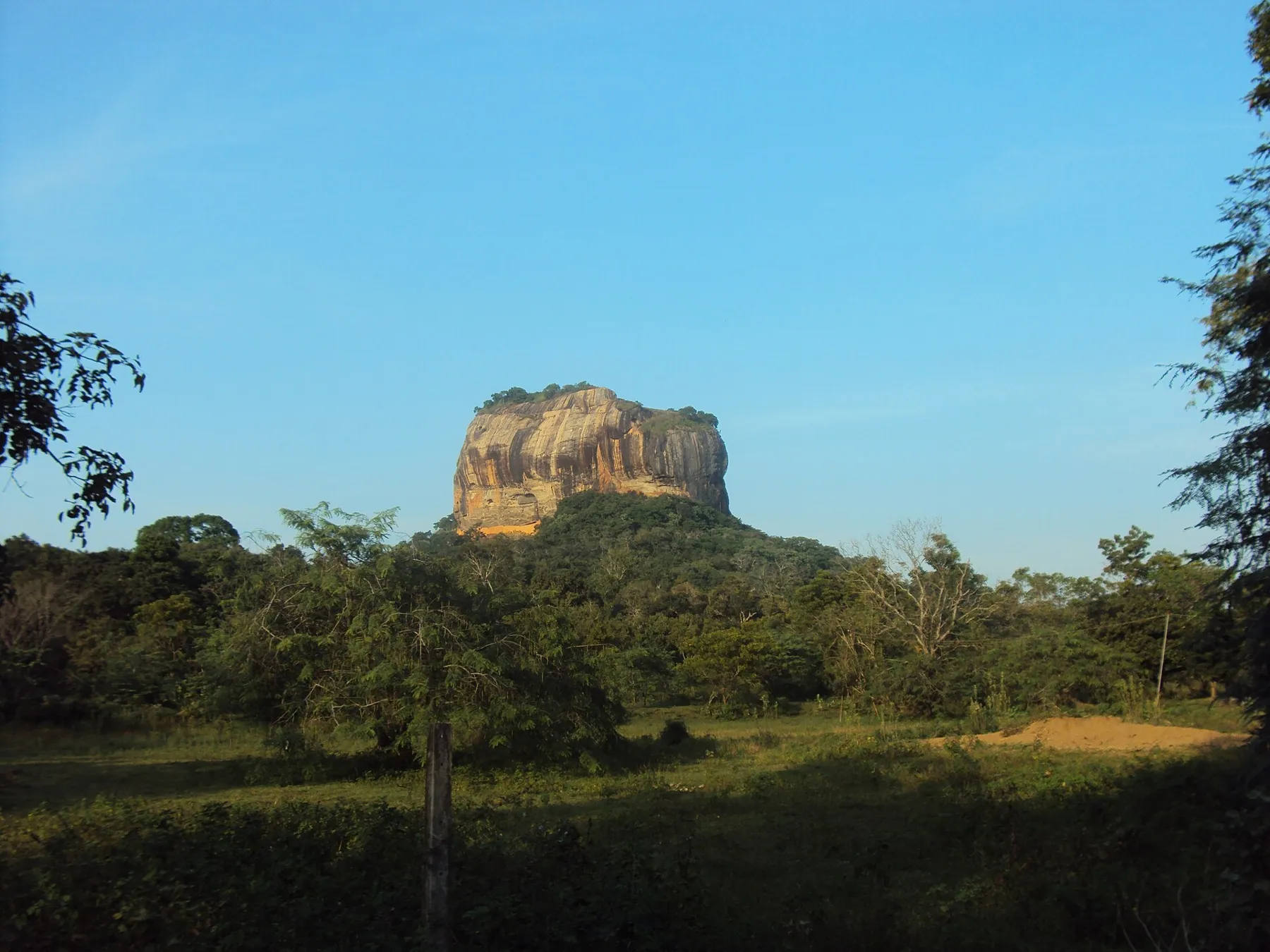
Colombo airport to Sigiriya
How to get from Bandaranaike International Airport to Sigiriya: road distance and time, the two-bus route through Kurunegala with official NTC fares, the train option to Habarana, the Sigiriya ticket price and hours, and whether you can climb the rock on arrival day. Checked 23 October 2026.