Sri Lankan Food Guide: Where and How to Eat by Region
A regional Sri Lankan food guide: what each region is known for, from Colombo and Kandy to the south coast, the east and Jaffna, and how eating out works. No restaurant rankings or prices. Checked 24 October 2026.
Where and how do you eat well in Sri Lanka?
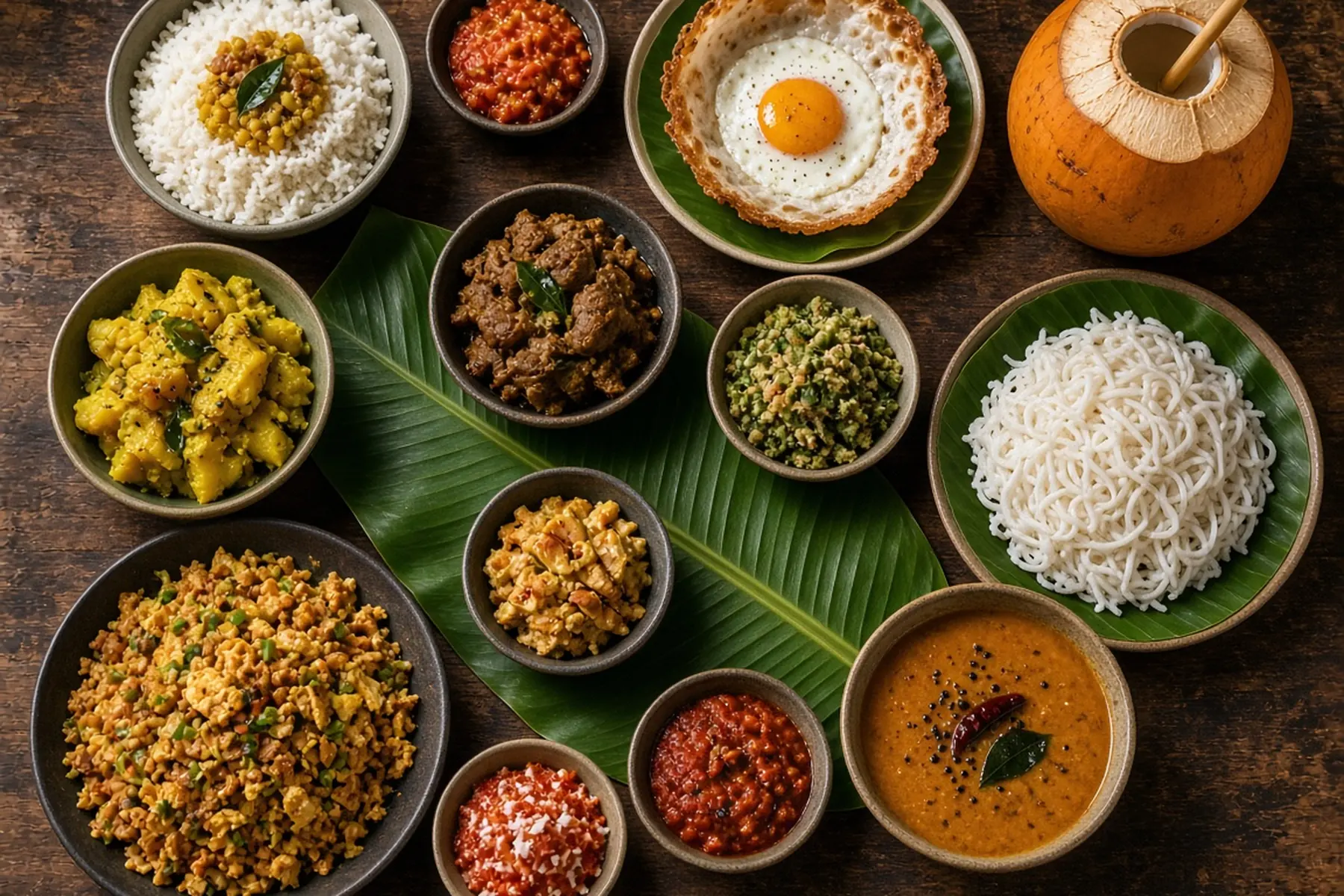
Quick answer: Eat the food of the region you are in. Coastal areas lean on seafood, Colombo mixes Sinhalese, Tamil, Muslim, Burgher and Chinese-influenced cooking, the hills use local vegetables and fruits, and Jaffna cooks in a style close to South Indian food. Meals follow the time of day: hoppers and string hoppers at breakfast and dinner, kottu in the evening. We do not rank restaurants or give meal prices, and the basic dishes are in Sri Lankan dishes for first-timers.
How is this guide different from the first-timers' guide?
The dishes guide explains what to order: rice and curry, mild versus spicy, hoppers, kottu and vegetarian plates. This page answers a different question: where does each food belong, and how does eating out work on a route? Read the dishes guide first if the names are new to you. Come here when you are planning a route and want to know what to look for in each place.
What is Sri Lankan cuisine, in one paragraph?
Sri Lankan cuisine mixes the foods of several communities. Sri Lanka Tourism says the Sinhalese community is known for kiribath and sweets such as kavum, kokis and aluwa. It says the Tamil community brings dosai, idly, wadei and murukku, and sweets such as kesari, jalebi and laddoo. Faluda, biryani and watalappam have roots in the Sri Lankan Muslim community, and the Burgher community is known for lamprais, rich cake and pancakes stuffed with shredded coconut and honey. Wikipedia adds that the cuisine uses unique spice blends with a lot of Sri Lankan cinnamon and black pepper, and ingredients such as Maldives fish, goraka, pandan leaf, lemongrass and kithul jaggery.
What do people eat at different times of day?
Sri Lanka Tourism's food pages give a useful timetable. Use it to order the right thing at the right hour.
| Food | When it is usually eaten | Note from Sri Lanka Tourism |
|---|---|---|
| Rice and curry | Breakfast, lunch and dinner | Most Sri Lankans eat it for all three main meals |
| Kiribath (milk rice) | Breakfast | Served at auspicious moments, often with lunumiris |
| Hoppers | Breakfast and dinner | Also a tea-time street snack; honey hoppers are sweet |
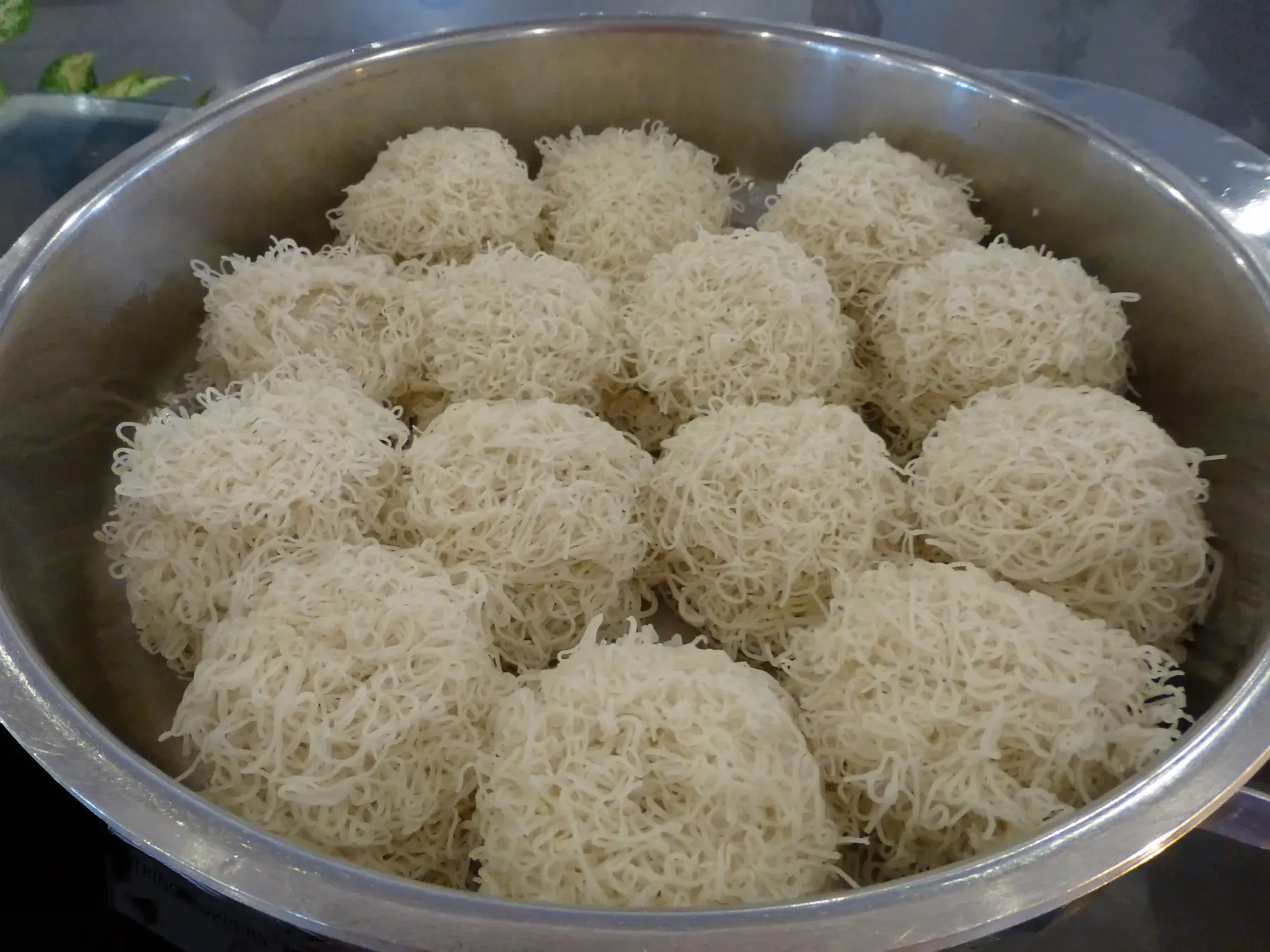
| String hoppers | Breakfast and dinner | Served with curry and coconut sambol |
| Pittu | Breakfast, sometimes dinner | Steamed rice or finger millet flour with coconut |
| Pol roti (coconut roti) | Breakfast, dinner or tea time | Also a street food |
| Kottu | Dinner | Very popular as street food |
| Tempered rice | Lunch and dinner | Rice mixed with tempered onion, garlic and curry leaves |
| Short eats | Evening tea or a quick breakfast | Patties, cutlets, Chinese rolls and fish buns |
So if you want a plate of kottu at 10 a.m., you may be asking for the wrong dish at the wrong time. Ask what is being cooked now.
What should you eat in Colombo and the west coast?
Colombo is a good place to meet several food traditions in one city.
- Kottu. Wikipedia says kottu was invented in Colombo, and the name means "chopped roti". Sri Lanka Tourism says kottu is a dinner dish and a very popular street food, with versions such as vegetable, chicken, cheese, beef, fish, seafood and mutton. It also says the cook chops with two metal spatulas, so you can often hear a kottu stall before you see it.
- Sri Lankan Chinese food. Wikipedia says Chinese restaurants have been common in Sri Lanka, especially in Colombo, since the 1940s, and that the cuisine was adapted to local taste. Dishes such as hot butter cuttlefish and Chinese chilli paste are common.
- Burgher food. Lamprais is a dish influenced by the Dutch Burgher community: rice boiled in stock with frikkadels, a mixed-meat curry, blachan, aubergine curry and seeni sambol, wrapped in a banana leaf and baked. Wikipedia says it takes a long time to prepare and is common at large gatherings.
- Muslim-community foods. Faluda, biryani and watalappam are named by Sri Lanka Tourism. Wikipedia lists babath (offal), sate, ekor sop, and nasi goreng and mee goreng among Sri Lankan dishes, and says Malay achcharu, a pickle, came from the local Malay community and is now eaten by all communities. If you do not eat offal, ask before you order.
- Short eats and street snacks. Patties, cutlets, Chinese rolls, fish buns and pastries are sold at counters and shops. Isso wadei, samosas, achcharu and manioc chips are sold from carts and display cases.
Read the Colombo destination guide for the city itself. West coast rice note: Sri Lanka Tourism says the red-grained Pokkali rice is grown in saline fields along the south-western coastal belt, including Colombo, Galle and Matara districts. You may or may not see the variety named on a menu.
What should you eat in Kandy and the hill country?
Wikipedia says Kandyan Sinhalese cooking is based on local ingredients, including hill vegetables and fruits. We did not find an official source that names a particular dish or place in Kandy, so we do not invent one. What we can give you is a way to order:
- Ask for the vegetable curries of the day with your rice. Sri Lanka Tourism says rice and curry comes with several curries made from vegetables, meat and fish, plus pickles, sambol and papadum.
- Try kiribath at breakfast. Sri Lanka Tourism says it is eaten at auspicious moments and is often served with lunumiris, seeni sambol, jaggery or bananas.
- Try a jackfruit dish. Sri Lanka Tourism lists jackfruit curry, young jackfruit (polos) and kos mallum as common ways to cook it.
- Drink tea. Wikipedia says tea is an important drink throughout the country, and that Sri Lanka is known for producing some of the world's finest tea. See the Kandy guide for the city.
What should you eat on the south coast, in Galle and the deep south?
Wikipedia says seafood is a standard feature of local dishes in areas on the island's coasts, and that applies to Galle, Matara and the rest of the south coast. We do not name a fishing harbour or restaurant. Look for fresh fish served with rice and curry, and ask how it is cooked and how spicy it will be, as the dishes guide explains.
Beyond seafood, Sri Lanka Tourism gives a few place-linked foods:
| Food | Place link | What it is |
|---|---|---|
| Kalu dodol | The Hambantota area is famous for producing it | A dark sticky sweet of kithul jaggery, rice flour and coconut milk, believed to be inherited from Malay immigrants |
| Buffalo curd | Found across the country; the curd made in the Tissamaharama district is very popular | Thick curd, often in clay pots, eaten with treacle or sugar |
| Bibikkan | A traditional cake; Wikipedia calls it a specialty of coastal areas | A dark, sticky, moist cake of coconut treacle and other ingredients; Sri Lanka Tourism says it dates from the Portuguese era |
| Deveraddari rice | Popular in Galle, Matara, Kalutara and Ratnapura districts | A rice variety suited to flood-prone fields |
See the Galle guide and the Tissamaharama guide if the south coast and the deep south are on your route.
What should you eat in the Cultural Triangle and the dry zone?
We found less in the official sources for this region, so we keep it short and sourced. Murungakayan rice is popular in the North Central province, according to Sri Lanka Tourism. Finger millet, called kurakkan, is an important food crop in Sri Lanka, and Sri Lanka Tourism says it is grown in arid and semi-arid areas. It is used for roti, congee, thalapa and helape, a sweet roti. Thalapa is a thick dough that is served with a spicy meat curry. If you see kurakkan on a menu, it is worth trying. Buffalo curd, mentioned above, is available across the country.
What should you eat in Jaffna and the north?
Wikipedia says Tamil cuisine, especially in Jaffna, shares many similarities with South Indian cuisine. Sri Lanka Tourism names dosai, idly, wadei and murukku as foods the Tamil community brings, and sweets such as kesari, jalebi and laddoo. That may feel familiar if you are travelling from southern India. Two more things to look for:
- Kool. Wikipedia describes kool as a seafood broth from Jaffna with crab, fish, cuttlefish, prawns and crayfish, plus long beans, jackfruit seeds, manioc, spinach and tamarind, thickened with palmyra root flour. Ask whether it is available where you are.
- Pittu. Steamed rice or finger millet flour with fresh coconut, often eaten at breakfast and sometimes at dinner, served with sweetened coconut milk or lunumiris.
The Jaffna guide and the northern Sri Lanka region guide cover the trip itself. Our best time guide says Sri Lanka Tourism points visitors to Jaffna, Trincomalee and Arugam Bay during the south-west monsoon.
What should you eat on the east coast?
The honest answer is: seafood, and not much more that we can source. Wikipedia says seafood is a standard feature of local dishes in areas on the island's coasts, and the east coast is one of them. Our research did not find an official regional food page for Arugam Bay, Trincomalee, Batticaloa or Pasikudah, so we do not claim a signature dish or name a venue. Use the same rules as on the south coast: fresh fish with rice and curry, ask how it is cooked, and ask about spice. See the east coast region guide for the area and its season.
What sweets and drinks should you look for?
| Item | What it is | Source |
|---|---|---|
| Thambili (king coconut) | A bright orange coconut sold from star hotels to street vendors | Sri Lanka Tourism |
| Saruwath | Brightly coloured drinks sold in the streets | Sri Lanka Tourism |
| Tea | An important drink throughout the country | Wikipedia |
| Watalappam | A dessert of coconut milk, eggs, kithul jaggery and nutmeg, popular among the Muslim community | Sri Lanka Tourism |
| Kalu dodol, helapa, aluwa | Kalu dodol is made mainly of kithul jaggery, rice flour and coconut milk; helapa is a leaf-wrapped sweet eaten with tea; aluwa is another famous sweet | Sri Lanka Tourism |
| Imbul kiribath | Sweet milk rice with a coconut and treacle filling, for breakfast or tea time | Sri Lanka Tourism |
How does eating out actually work?
Sri Lanka Tourism says eating out ranges from fine dining establishments to roadside eateries and street food vendors. A few practical points follow from the sources and from official travel advice. We cannot give a rule for every town, so treat them as habits to check.
- Look at what is cooking at the time you arrive. The timetable above tells you which dishes suit which hour.
- Use short-eats counters for a light bite. They sell patties, cutlets, fish buns and pastries for tea or a quick breakfast.
- Order rice and curry as the main meal. It is what most Sri Lankans eat three times a day, so it is the dish the kitchen knows best.
- Ask about spice and Maldives fish. Wikipedia says dried Maldives fish is used in coconut sambol, and the dishes guide explains mild versus spicy and vegetarian ordering.
- Ask the price before you order at small places. We do not publish a meal price, and no official tourist meal tariff exists. Our trip-cost guide shows what is official.
- Pay in rupees. Our money guide explains cash, cards and UPI at LankaQR shops for Indian visitors. Small places often want cash.
Is street food safe?
The CDC says food and water standards around the world vary. It recommends hepatitis A vaccination for unvaccinated travellers aged one year or older going to Sri Lanka, and typhoid vaccine for most travellers, and it notes that safe food and water habits and handwashing help prevent typhoid. It advises seeing your doctor at least a month before you travel. It also says to avoid contaminated water and floodwater, and to wash your hands often, especially before eating.
For street food, the common-sense rules still apply: choose food that is cooked hot in front of you, avoid food that has been sitting out, and be careful with ice and water of unknown source. These are general travel-health habits, not Sri Lanka-specific findings. Ask your doctor if you have any medical condition.
What about alcohol with meals?
The UK FCDO says alcohol is not usually available on religious holidays, and that drinking in public on those days could be culturally insensitive. It says police could fine you if you ignore notices banning alcohol in certain public areas. It also notes that drinks are often stronger than in the UK because bars and hotels rarely use measures, and that victims of spiked drinks have been robbed. Do not take drinks from strangers or leave your drink unattended.
How do you plan a food route?
Match the food to the route. This is a planning aid, not a list of places.
| If your route is | Look for | Guide |
|---|---|---|
| Colombo first | Kottu, Sri Lankan Chinese dishes, lamprais, Muslim-community foods, short eats | Colombo |
| Kandy and the hills | Local vegetable curries, kiribath, jackfruit, tea | Kandy |
| Galle and the south coast | Fresh seafood, bibikkan, deveraddari rice | Galle |
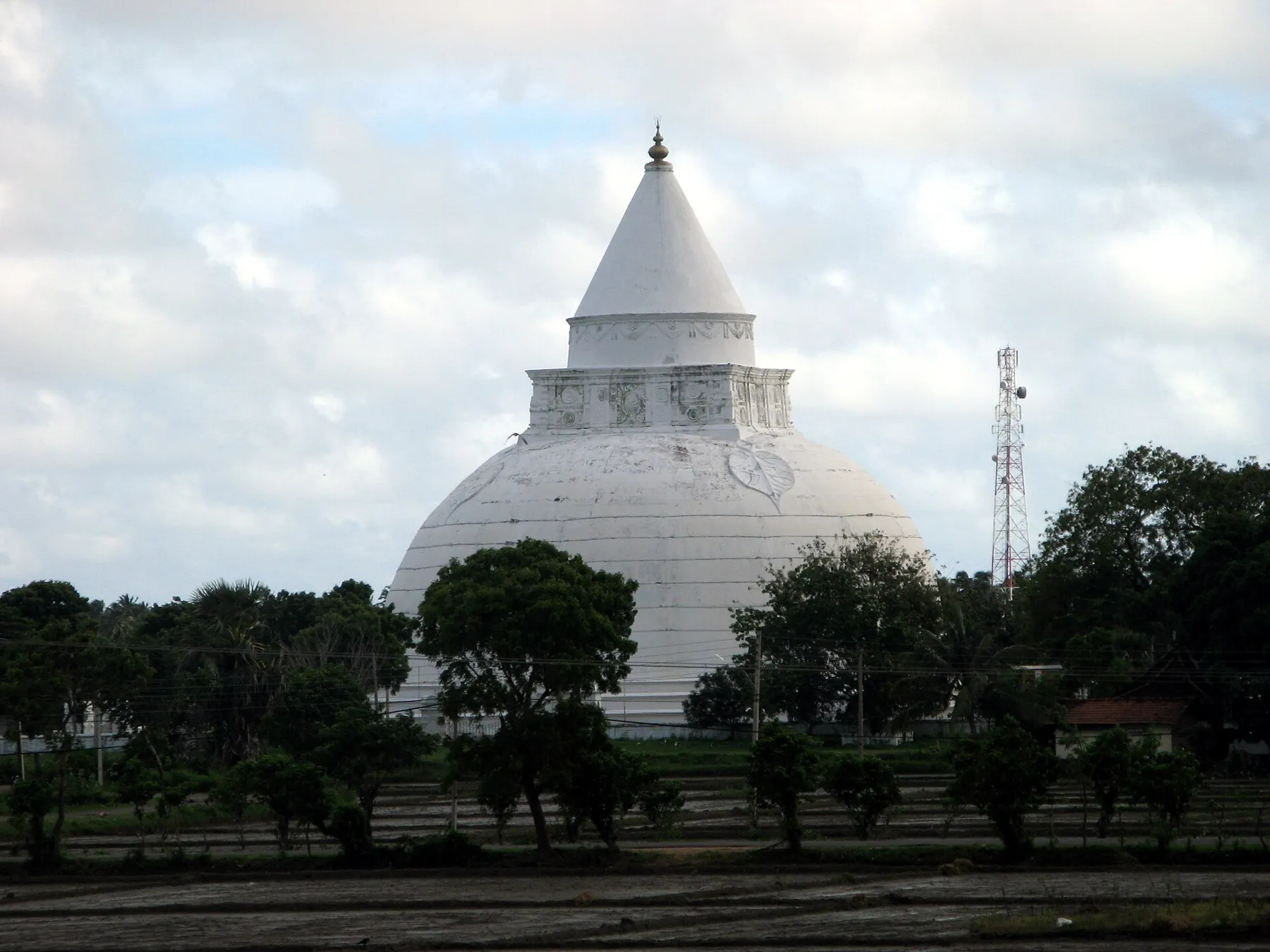
| Deep south | Buffalo curd, kalu dodol from Hambantota | Tissamaharama |
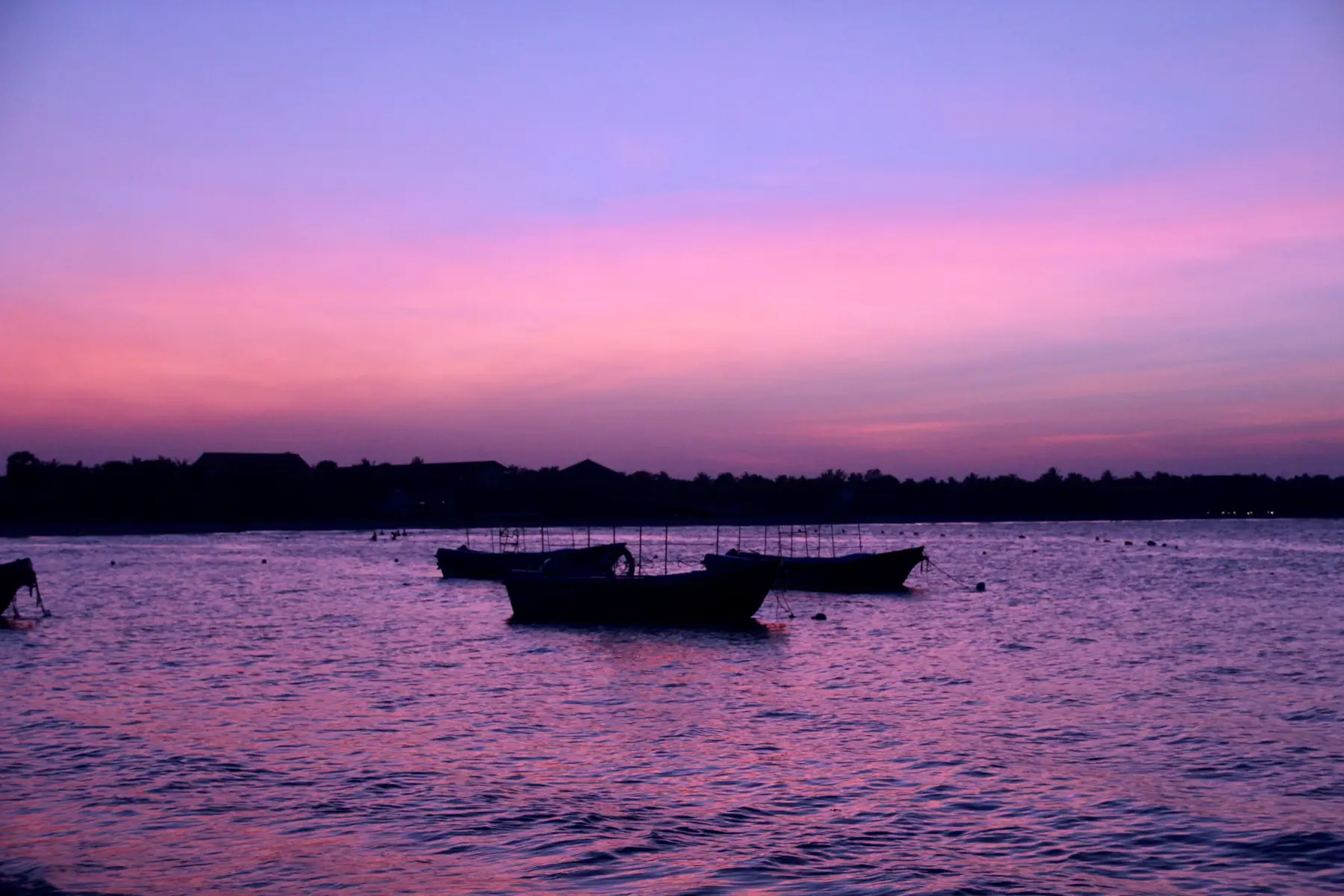
| East coast | Seafood with rice and curry | East coast |
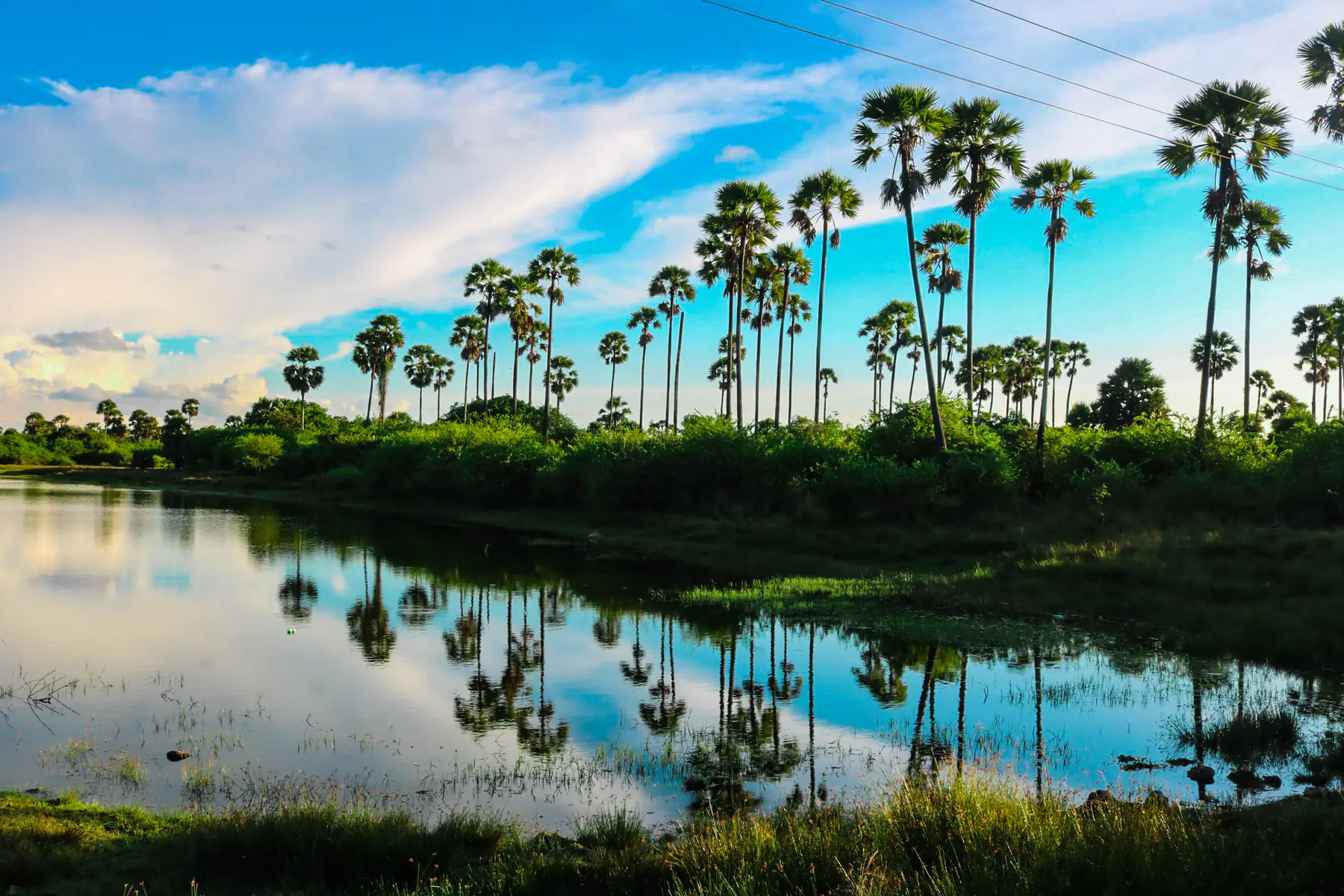
| Jaffna and the north | Dosai, idly, wadei, kool, pittu | Jaffna |
For the planning order, see how to plan a Sri Lanka trip. If you want to know about travel risks before you eat your way across the island, read our safety guide.
What this guide does not do
- It does not rank restaurants, stalls or cooking schools, and it names no venue.
- It does not quote meal prices.
- It does not claim a signature dish for every town. Where we found no source, we say so.
- It uses Wikipedia for regional background, which is a secondary source, and Sri Lanka Tourism's pages, which are promotional. Treat them as a starting point.
- It has no affiliate links.
Drinks and nights out: Poya day alcohol rules and Colombo's nightlife are in our nightlife guide. How much alcohol you can bring in is in the customs allowance guide.
Frequently asked questions
What is Sri Lankan food like by region?
Coastal areas eat a lot of seafood, Jaffna's Tamil cooking is close to South Indian food, and Kandyan Sinhalese cooking uses local hill vegetables and fruits. Colombo adds Burgher, Muslim and Chinese-influenced dishes. This page goes region by region. For the basic dishes, see our first-timers' guide.
Where do people eat out in Sri Lanka?
Sri Lanka Tourism describes a range from fine dining to roadside eateries and street food vendors, with carts and display cases of short eats and drinks along many roads. We do not name or rank restaurants, so read menus, look at what is busy and ask your hotel or driver.
What are short eats?
Short eats are snacks such as patties, cutlets, Chinese rolls, fish buns and pastries, according to Sri Lanka Tourism. They are eaten with evening tea or as a quick breakfast. Sri Lanka Tourism says they are always there when you need a snack.
When do Sri Lankans eat hoppers, kottu and rice and curry?
Sri Lanka Tourism says most Sri Lankans eat rice and curry for breakfast, lunch and dinner, that hoppers and string hoppers are breakfast and dinner foods, and that kottu is mainly a dinner dish. Our table below sets these out by time of day.
Is street food safe to eat in Sri Lanka?
The CDC says food and water standards vary and links to its safe food and drink advice. It recommends hepatitis A and typhoid vaccines for most travellers and advises washing hands before eating. Choose busy stalls with hot, freshly cooked food, and speak to a doctor about vaccines at least a month before you go.
Can I drink alcohol with meals in Sri Lanka?
Often yes, with limits. The UK FCDO says alcohol is not usually available on religious holidays, that you can be fined for ignoring notices that ban alcohol in some public areas, and that drinks are often stronger than in the UK because bars and hotels rarely use measures. Watch your drink and never leave it unattended.
How much does a meal cost in Sri Lanka?
We give no meal price, because no official tourist meal tariff exists. Ask the price before you order at small places, and see our trip-cost guide for the official fees and fares it does have.
Sources
Last verified 2026-10-24
Covered in this guide
Sri Lankan dishes for first-timers
Money, cards and ATMs in Sri Lanka

Is Sri Lanka safe to visit?
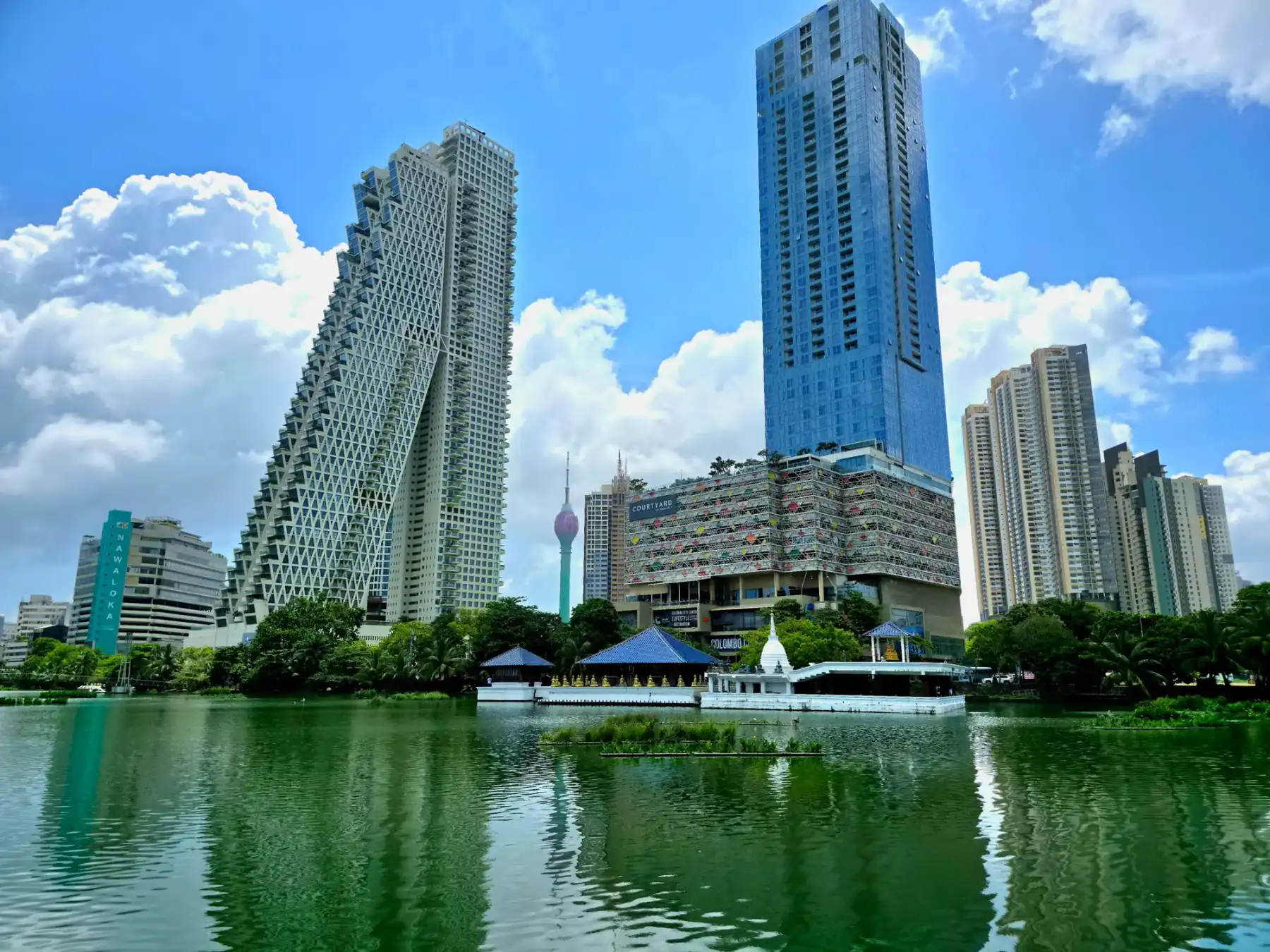
Colombo
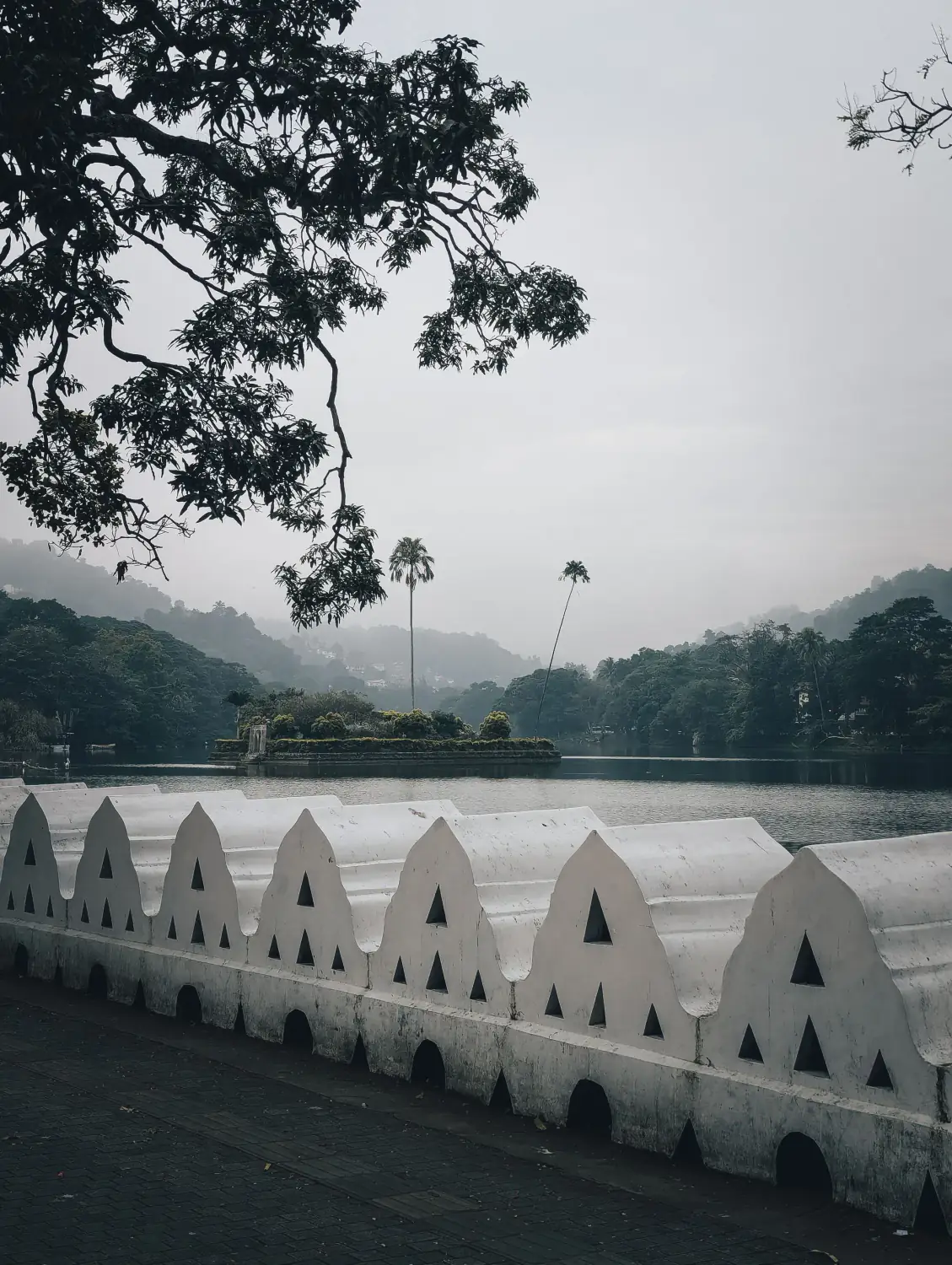
Kandy
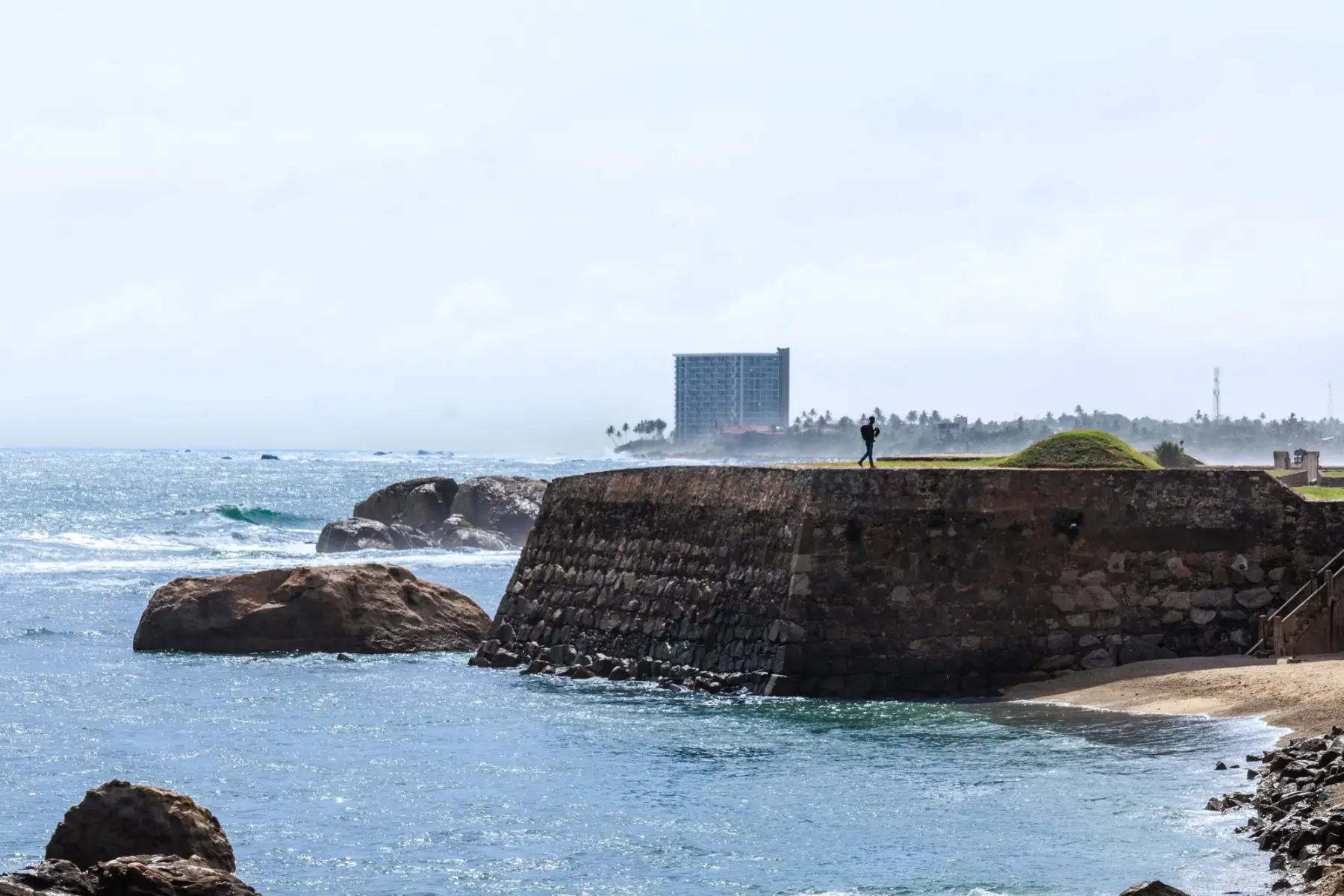
Galle
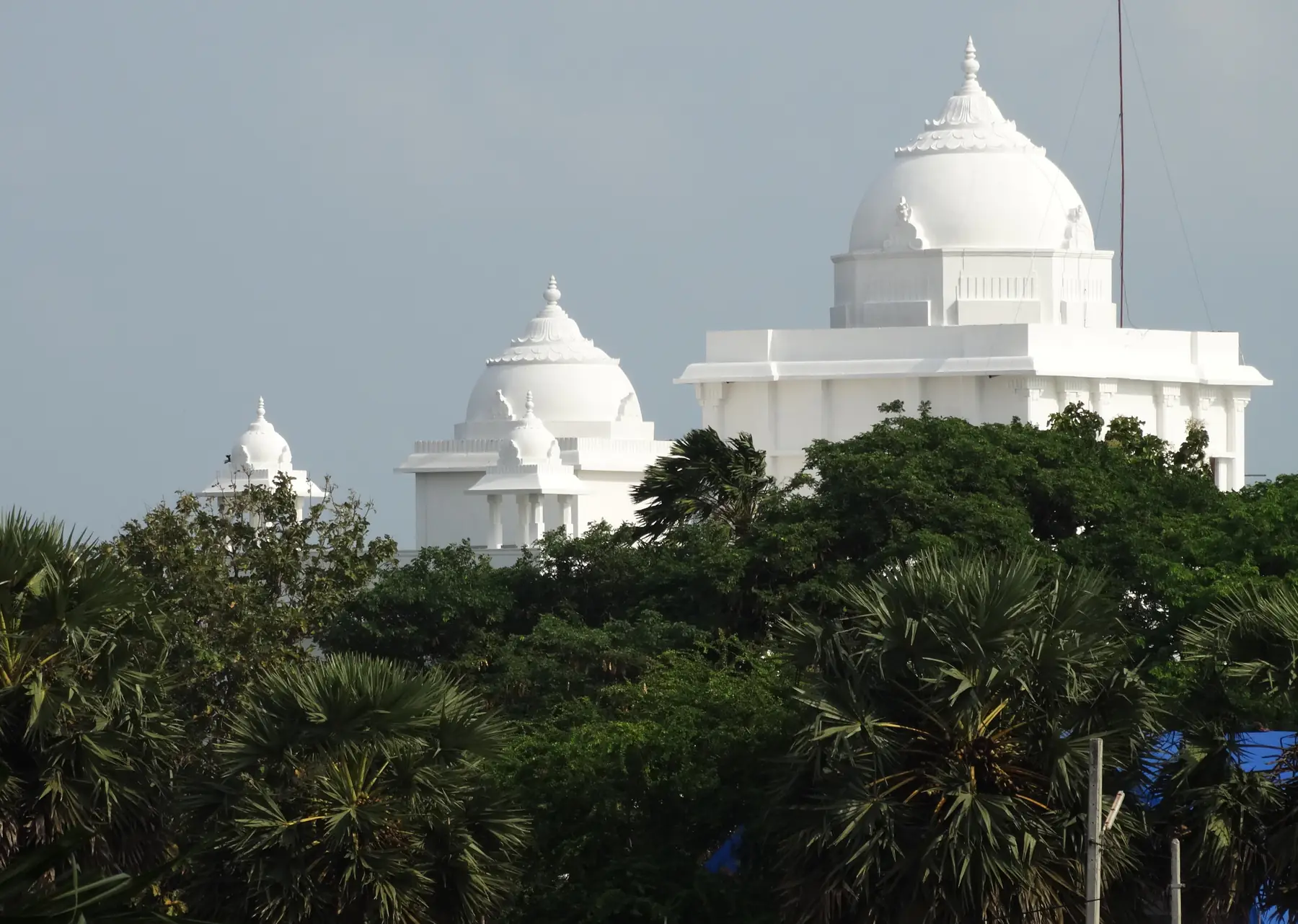
Jaffna
Tissamaharama
East Coast
Northern Sri Lanka
Related guides
All guides
Direct Flights to Sri Lanka from the UK, Europe, India and Australia
Yes: SriLankan sells London Heathrow to Colombo, and British Airways flies London Gatwick to Colombo from 23 October 2026, three times a week. India, Australia and Germany routes from the airlines' own pages, checked 15 October 2026.
eSIM vs Local SIM in Sri Lanka
A local tourist SIM or eSIM from Dialog, SLT-Mobitel or Hutch costs about USD 2.50 to 9 for a week to a month of data, priced on the operators' own pages on 20 October 2026. An eSIM saves the SIM swap and keeps your home SIM in the phone; a physical SIM works in any unlocked phone.
Sri Lankan dishes for first-timers
What to order on a first Sri Lanka trip: rice and curry, hoppers, string hoppers, kottu, mild versus spicy, and vegetarian plates, drawn from Sri Lanka Tourism. Checked 23 October 2026.