What to Wear in Sri Lanka
Pack for current weather and specific activities, then check each sacred site's own clothing and footwear rules.
There is no single Sri Lanka outfit for every coast, highland, sacred site and outdoor activity. Build a small clothing system from the current forecast, route and activities.
Sacred-site clothing
Do not treat one temple's rule as universal across all religions. Before visiting, check the named site's guidance on shoulders, knees, head coverings, footwear, colours, bags and photography. Carry an easy cover layer, but do not assume it overrides an entry rule. The sacred-site guide explains how to verify respectfully.
Pack by activity
- Coast: choose breathable sun coverage and activity-appropriate swim or boat clothing; current marine conditions still control water activity.
- Highlands: bring a layer and rain protection based on the forecast, not an assumed temperature.
- Walking: use footwear suited to the actual surface, exposure and weather.
- Wildlife drive: ask the operator about dust, rain cover, footwear and vehicle conditions.
- Sri Pada: plan clothing for a long active pilgrimage and changing elevation; confirm current weather and route conditions.
Check the Department of Meteorology close to travel and re-pack for the actual route. This guide does not provide a universal dress code or imply that informal clothing is accepted in every institution.
A practical packing system
Build the bag from layers and activity sets rather than one outfit for every destination:
| Need | Packing approach | Verify before use |
|---|---|---|
| Everyday heat and sun | Lightweight, breathable coverage that can be washed and reused | Current forecast and planned exposure |
| Rain | Packable outer layer and a way to protect essential items | Regional forecast, not the island average |
| Cooler or exposed highlands | A light warm layer that can be added or removed | Forecast for the actual town and elevation |
| Active walking | Clothing that allows movement plus footwear matched to the surface | Route, weather, steps and trail condition |
| Sacred sites | Conservative clothing and an easy cover layer | The named institution's current rules |
| Beach or boat | Activity-appropriate clothing, sun coverage and dry change | Operator guidance and current marine conditions |
This framework deliberately avoids prescribing a quantity. Laundry access, luggage limits, trip length and personal comfort change the number of items.
What to wear at Buddhist sites
Use a conservative baseline that covers shoulders and legs, then check the named site's official guidance. Expect footwear removal where directed and plan for hot or wet ground without trying to bypass the rule. Some sites may have additional instructions about hats, colours, bags or photography.
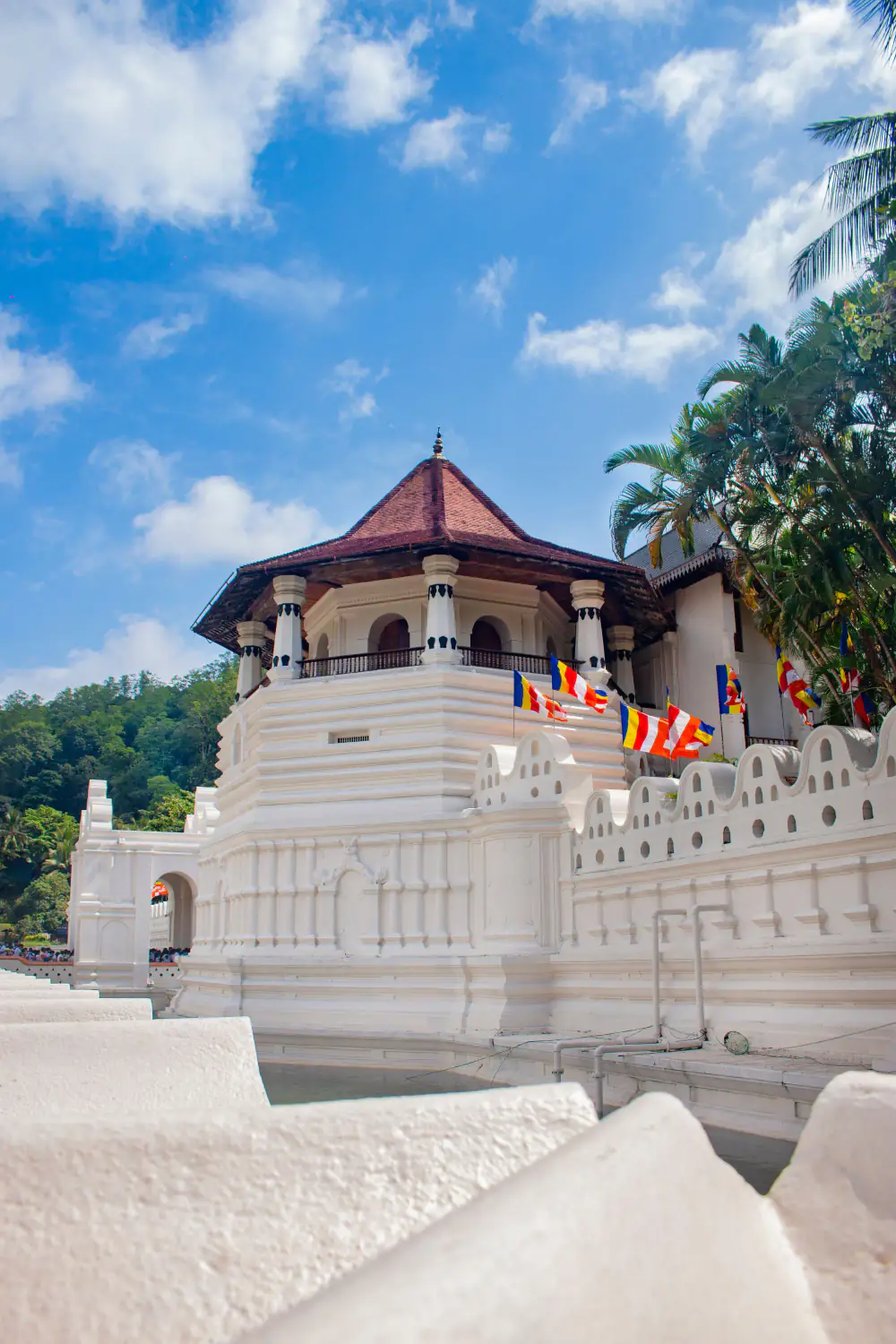
The Temple of the Tooth's current guidance belongs to that institution; it should not be copied as a universal rule for every Buddhist place.
What to wear at Hindu, Muslim and Christian sites
Do not assume the same clothing or head-covering expectation across temples, mosques and churches. Contact the responsible institution when the rule is unclear. Carrying a cover layer is useful, but it does not create a right of entry or replace a site-specific instruction. For Nallur's shirt rule, see Nallur Kovil pooja times and dress code.
For an active service or ceremony, dress for worship rather than for a quick photograph. Ask before photographing people or restricted interiors.
Coast and water activities
For a general coastal day, choose clothing that handles sun, heat and a change after water. For surfing, diving, snorkelling or a boat trip, follow operator requirements and the actual conditions. A rainfall-season label does not establish water temperature, visibility, sea state or safety. In mainly Muslim and Tamil beach towns such as Arugam Bay, keep swimwear for the beach and cover up on the road.
Bring a dry layer and a secure plan for valuables if the operator advises it. Do not infer life-jacket or equipment standards from a packing article.
Hill country and rail travel
Kandy, Nuwara Eliya, Hatton and Ella should not be packed from one assumed temperature. Check the forecast for each stop. A light layer and rain protection may be useful, but the needed warmth depends on the date, hour, elevation and individual.
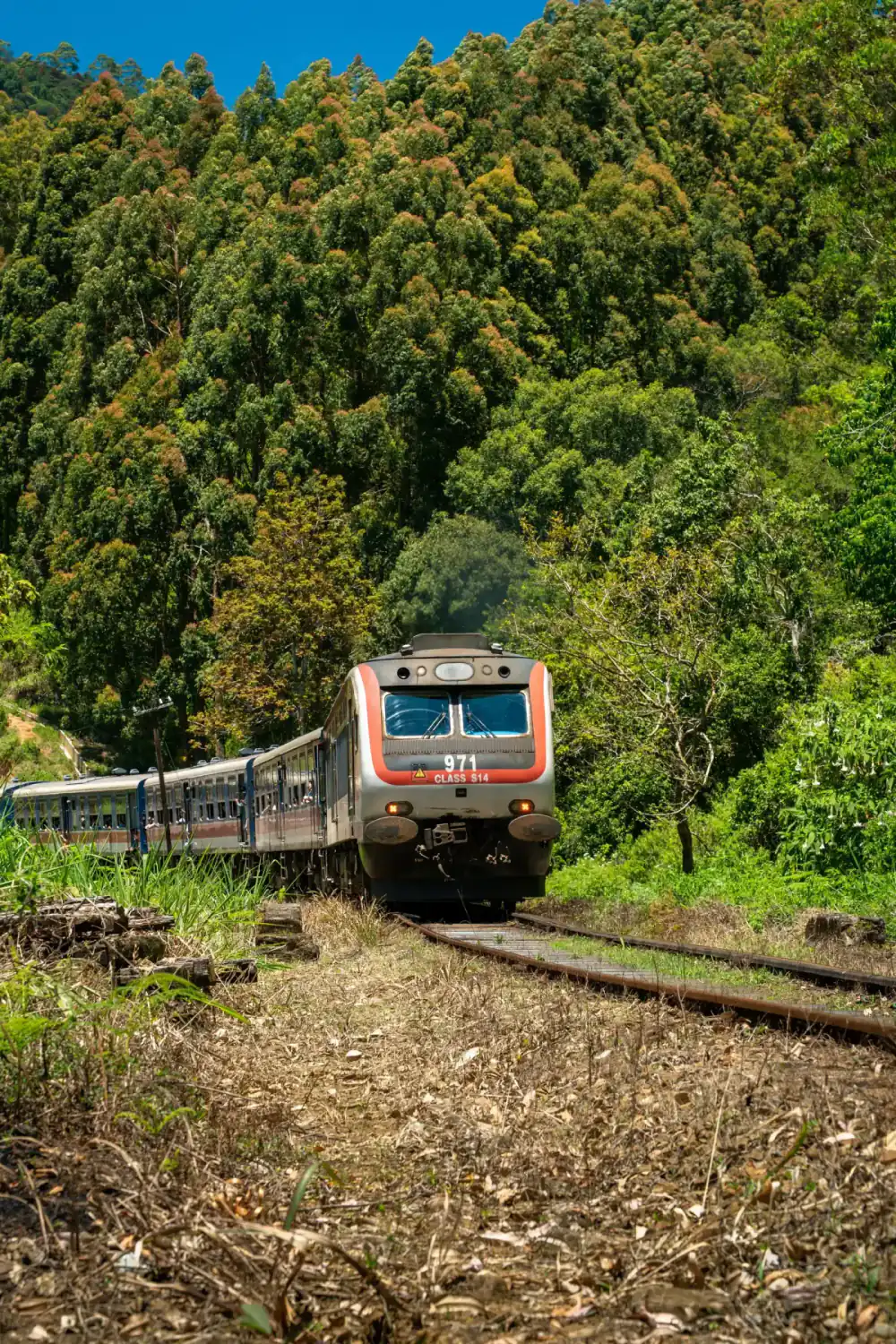
For rail travel, wear something practical for boarding and carrying luggage. Verify the service and seating separately; clothing cannot solve an uncertain connection.
Safari clothing
Ask the operator whether the vehicle is open or enclosed and how it handles dust and rain. Choose comfortable coverage and footwear suited to boarding the actual vehicle. Avoid claims that one colour guarantees better wildlife viewing; this site has no evidence for that.
Sri Pada and longer walks
Sri Pada requires clothing for sustained physical effort, changing elevation, current weather and the planned time of travel. Confirm route and pilgrimage-season conditions. Carrying an extra layer may be appropriate, but no static list can establish what is sufficient for every person.
For other walks, check exposure, surface, leeches or insects where a responsible current source identifies them, daylight and the return plan. Do not reuse mountain advice for a short town walk.
What not to rely on
- A single “temple dress code” copied across religions.
- A claim that one coast is always hot and another always cool.
- A packing list that ignores laundry, baggage and trip duration.
- An old forecast saved before travel.
- A cover-up used to argue against an institution's current rule.
Final packing check
Lay out each non-negotiable activity and assign clothing, footwear and weather protection to it. Remove duplicate items, then recheck the regional forecast shortly before departure. The right Sri Lanka wardrobe is the smallest system that supports the actual route while respecting every institution visited.
Related rules (26 October 2026): temple dress is also covered for Buttala's ancient sites and Dickwella's Wewurukannala temple. Clothes and tattoos on nights out are in the nightlife guide, and what you can bring in is in the customs allowance guide.
Sources
Last verified 2026-08-28
Covered in this guide


Related guides
All guides
Best Time to Visit Sri Lanka, Month by Month
Choose when to visit Sri Lanka by matching your route to four broad rainfall seasons, then confirm the forecast for your actual destinations.
Is Sri Lanka safe to visit?
Sri Lanka is generally safe for tourists. The US, UK, Australia and Germany all allow travel. Their advice levels, last-updated dates and listed risks sit side by side, checked 17 October 2026.

Sri Lanka Map: Regions, Distances and Drive Times
Sri Lanka by region, with sourced road and rail distances between the main towns. Region and distance tables, no map image. Checked 24 October 2026.