Elephants in Sri Lanka: Where to See Them Ethically
Sri Lankan elephant facts from the 2024 Department of Wildlife Conservation survey, where wild herds gather, how to judge rides and orphanage-style venues, and how to behave near wild elephants. Checked 24 October 2026.
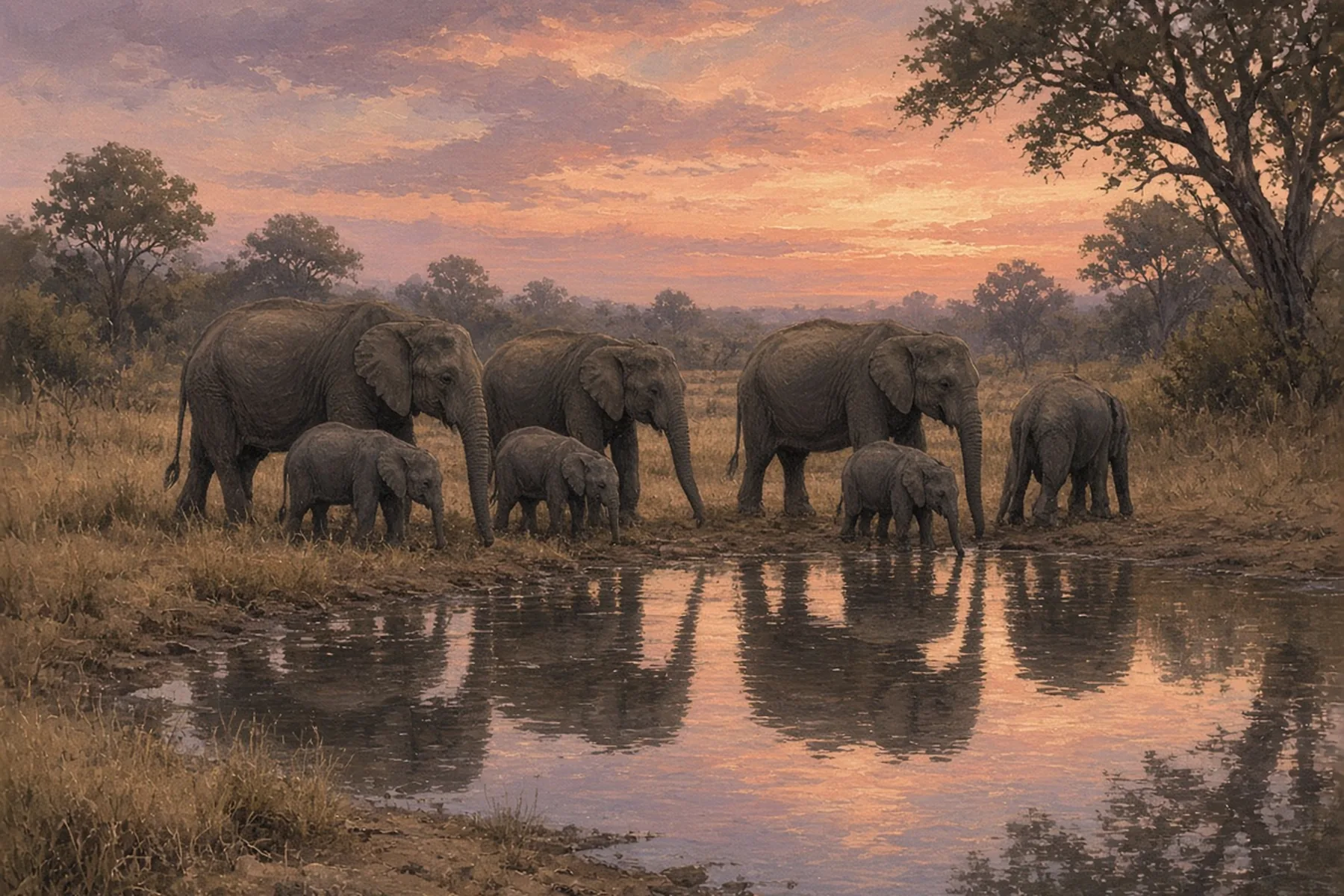
How do you see elephants in Sri Lanka without harming them?
Quick answer: Watch wild elephants from a vehicle in a national park, and skip rides, bathing, hand-feeding and baby-elephant photo stops. The Department of Wildlife Conservation (DWC) counted at least 7,451 wild elephants in its 2024 survey, mostly in the dry zone, so seeing them is realistic but never guaranteed. Udawalawe, Minneriya and Yala are the common choices. The rest of this page explains the facts, the ethics and how to behave.
How many elephants does Sri Lanka have?
The DWC survey ran on 17 to 19 August 2024 and covered 3,130 observation points, according to the Daily Mirror. It recorded a minimum of 7,451 elephants. Earlier minimums were 5,879 in 2011 and 1,967 in 1993, per the same reports. Environment Minister Dammika Patabendi said in June 2026 that this was an increase of about 26.7 per cent, and that the number of tuskers rose by 9.2 per cent.
Three cautions help you read this fairly:
- It is a minimum, not an exact count. The DWC itself asked the public not to treat the exercise as a precise census, because counting every wild elephant with full accuracy is not feasible.
- Method matters. Mongabay reported that the count was done in August, usually the driest month, when elephants visit water sources, and that unseasonal rain before the count worried some experts. Mongabay's own headline said the survey was done "amid uncertainty".
- Not every trend is positive. The Daily Mirror reported that calves fell from 23 per cent of the population in 1993 to 18.8 per cent in 2011 and 16 per cent in 2024.
The same report quotes a DWC deputy director saying about 95 per cent of wild elephants live in the dry zone, and that nearly 5,600 electric fences have been built to manage human-elephant conflict. For a visitor, that means two things. First, the dry-zone parks are where you look. Second, elephants and farmers share land, so a roadside elephant can be a real risk, not just a photo.
Where can you see wild elephants?
| Place | What our guide says | Read next |
|---|---|---|
| Udawalawe National Park | Sri Lanka Tourism's Year in Review 2025 describes it as catering to visitors seeking reliable elephant herds | Udawalawe and Udawalawe or Yala |
| Minneriya National Park | Known for the elephant gathering, which is a possibility, not a promise | Minneriya National Park |
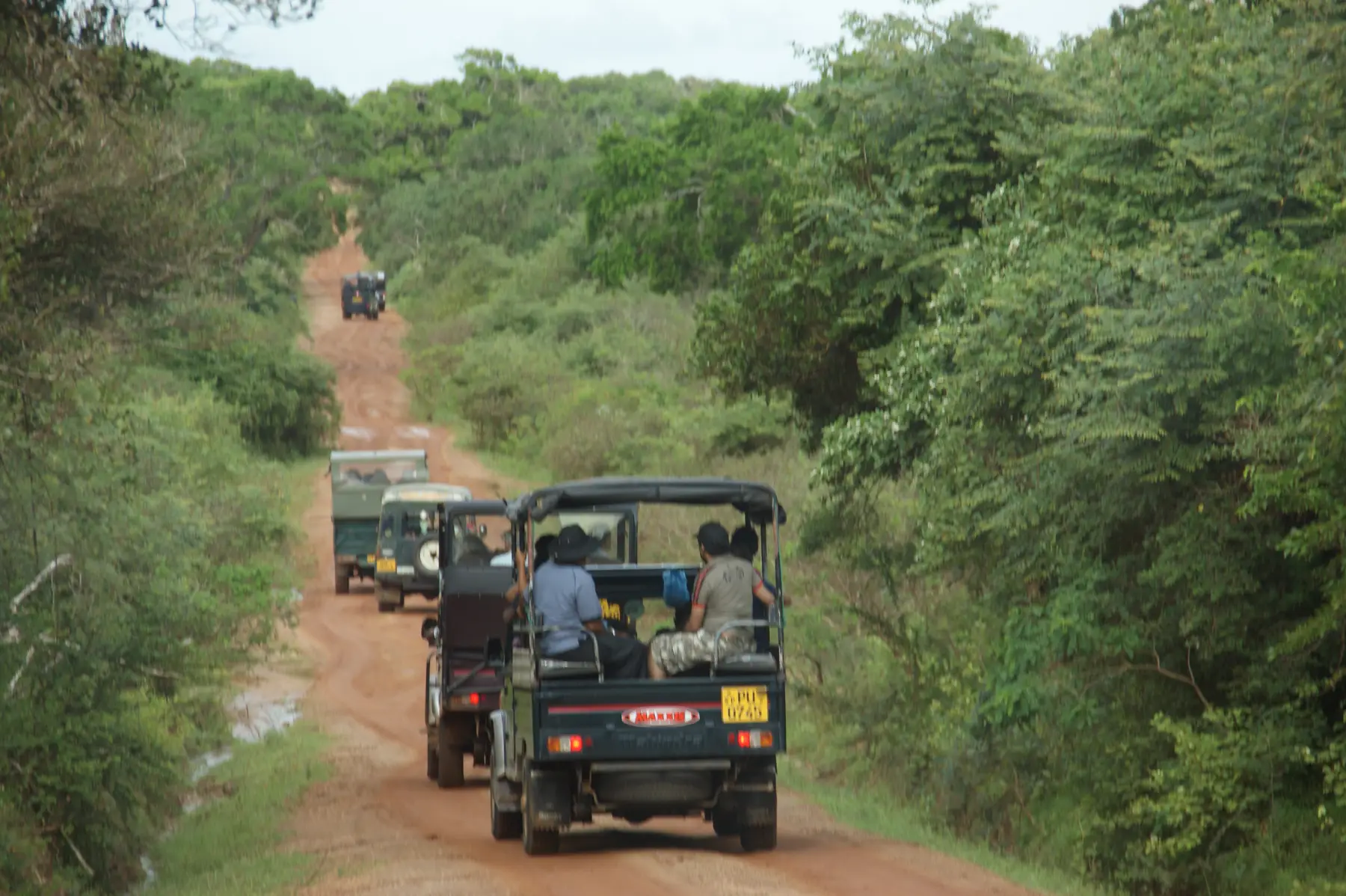
| Yala National Park | Promoted for leopards; elephants also live there | Yala National Park |
| Choosing between parks | Compare access, season and style | National parks compared |
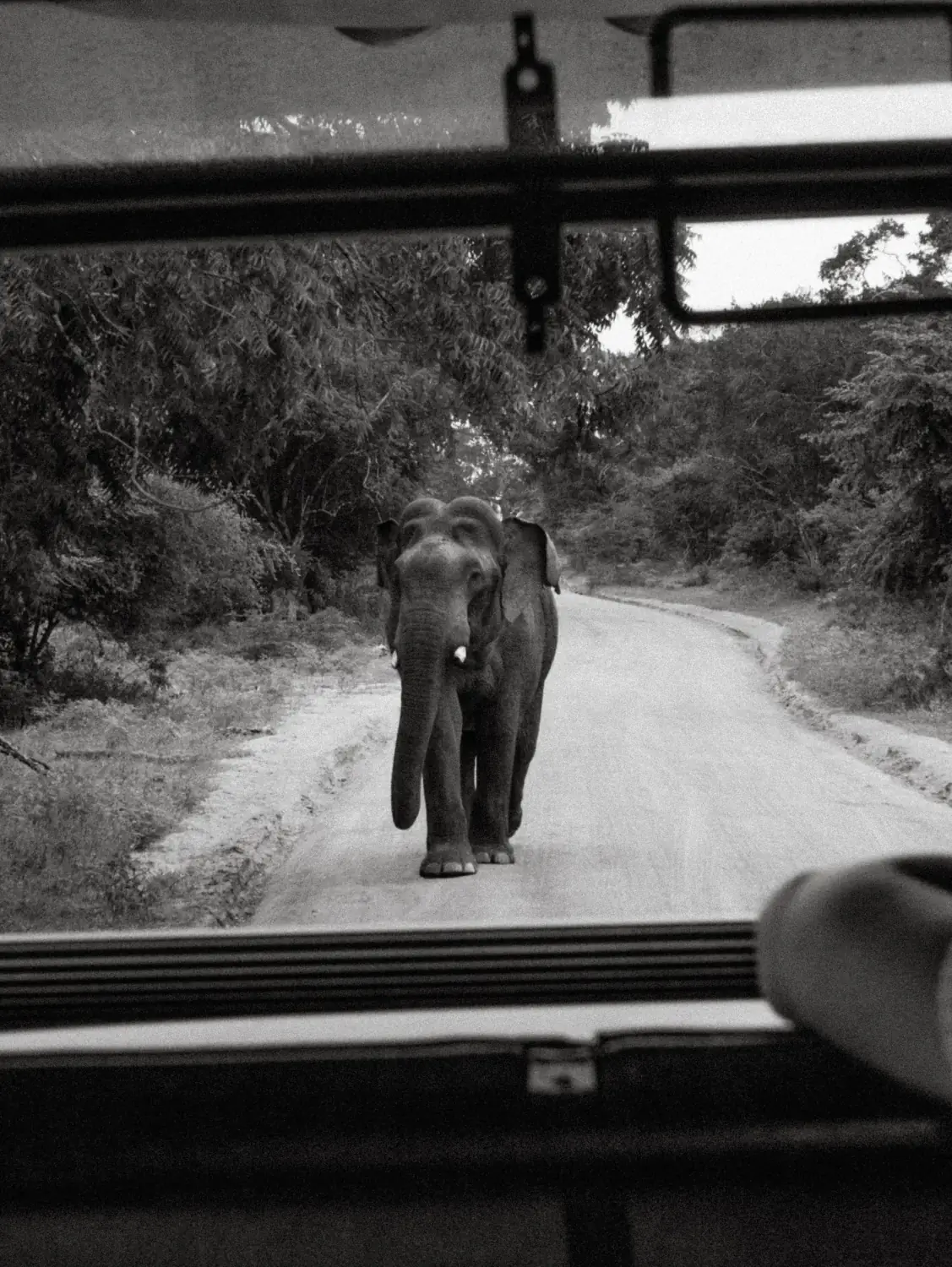
We do not say any gate is open on a given day. Park access, jeep rules and seasonal closures change, and the permit system belongs to the DWC. Check the current status for your date before you book, and see wildlife safaris for how a safari day works.
When is the Minneriya elephant gathering?
Be careful with this one, because Sri Lanka Tourism gives two different windows on its own pages. Its Minneriya page says May to October is a popular time to visit because of the famous Elephant Gathering. It explains that as the reservoir recedes in the dry season, grass is exposed on the banks, elephants from surrounding areas move in, and visitors often see many hundreds feeding. Its elephants page, on the other hand, says to watch the gathering from July to October. When the rains set in, the herds spread back into the forest.
So the honest wording is this: the gathering is a dry-season event, the exact months vary by source, and the size depends on the water level and the year. It is not a show on a timetable. Our Minneriya page and the best time to visit guide cover the season more widely. Ask your driver what the park looked like in the last week, and check before you travel.
Are elephant rides and orphanages ethical?
Welfare groups give a clear answer on rides, and a more careful one on orphanage-style venues.
Rides, bathing and touching. World Animal Protection says the best place to see elephants is in the wild. It also says that if a venue lets you get close enough to ride, bathe or touch elephants, it is because they have been cruelly trained. PETA Asia, an advocacy group, makes a similar case about rides in Sri Lanka. We do not recommend rides or bathing.
"Sanctuary" is a label, not a standard. World Animal Protection warns that a venue may call itself a sanctuary, rescue centre or retirement home without being high welfare. Its checklist is easy to use at a gate:
| Ask this | A good sign | A warning sign |
|---|---|---|
| Can visitors touch, ride or bathe the elephants? | Look-only viewing | Any of the three |
| Do the elephants behave like elephants? | They roam, graze and socialise freely | Chains, small pens, performing |
| Are there baby elephants? | Young elephants only where orphans are rescued from the wild | Calves on show, especially without a mother |
| How are people kept safe? | Mahouts keep a distance, hooks only in a real emergency | Crowding, hooks in daily use |
The Pinnawala question. Sri Lanka Tourism's elephants page promotes the Pinnawela Elephant Orphanage for bath time and for feeding a baby elephant from a bottle. In a 2009 paper, the group Born Free raised welfare concerns about the same venue. Responsible Travel, a tour-industry site, also describes the standards at government-run venues as low. We could not verify current conditions, and the Born Free paper is old. The criteria above are the useful part. Under World Animal Protection's checklist, bottle-feeding calves and bathing visits are a warning sign. If you still want to go, use the checklist at the gate and make your own call.
Festivals. Elephants appear in religious processions in Sri Lanka, and PETA Asia asks visitors to avoid events where elephants are paraded. This is a cultural question as well as a welfare one. Watch from a respectful distance, and do not pay for photos or rides.
How should you behave around wild elephants?
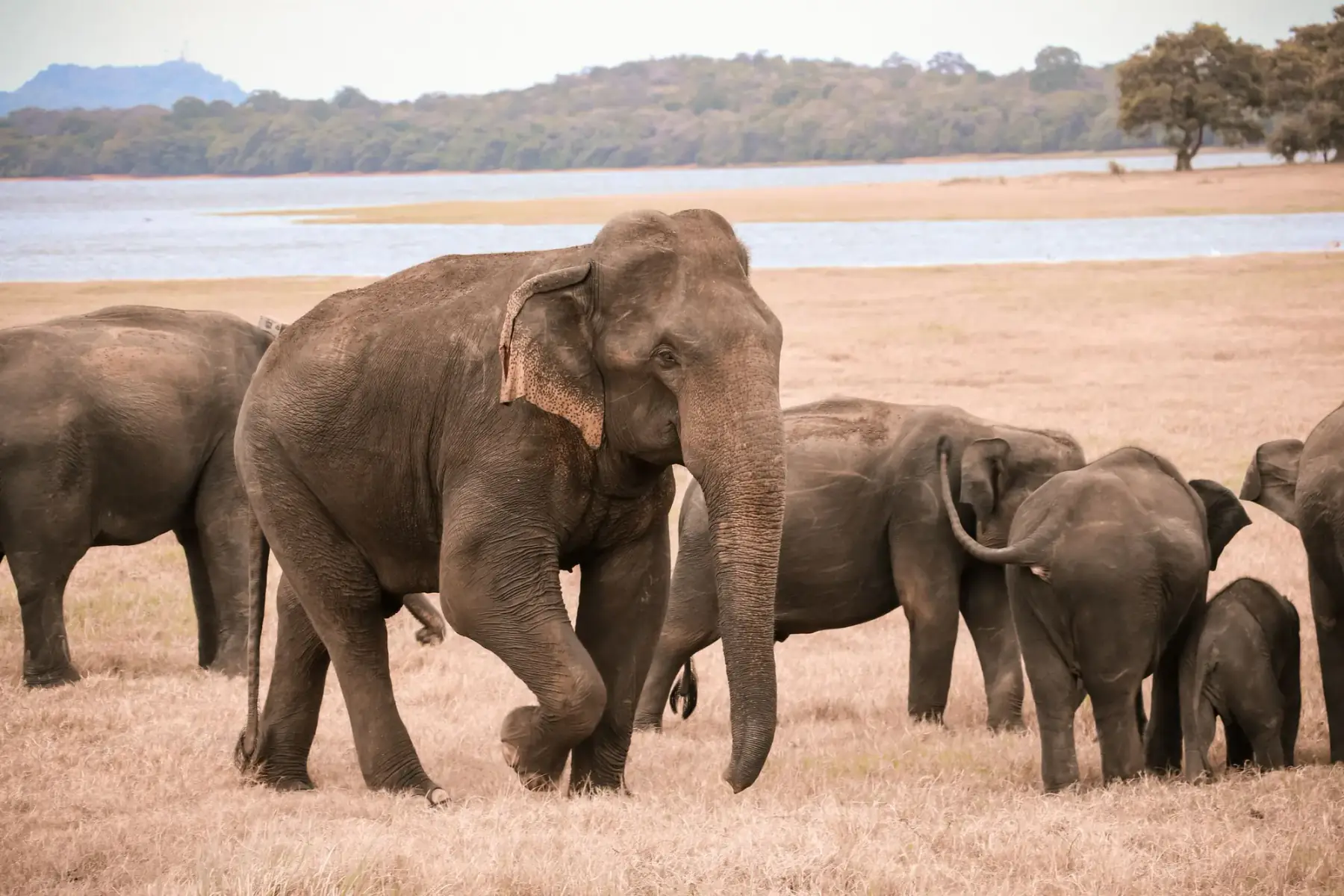
- Stay in the vehicle where required. The UK FCDO says wild elephants will attack humans on occasion, and that you should follow the advice of authorised guides.
- Do not feed any wildlife. Park rules prohibit it, and the CDC also says not to touch or feed animals you do not know.
- Ask your driver to keep a distance, and do not press the driver to close in on a sighting. Our park pages say the same.
- If an elephant is on the road outside a park, stop and wait. Do not pass close to it.
- Take care at dusk and dawn, and on the road to your guesthouse. Our safety guide lists the wider animal and road risks.
What can you do to help?
- Choose a park visit over a venue with captive elephants.
- Book a driver and guide who agree to keep a respectful distance and who do not crowd animals.
- Pay the official permit, and do not tip for a "closer look".
- If you do visit a captive venue, report poor treatment you see to the venue and to a welfare group.
- Learn the facts above, so that your friends can use them.
What this page does not do
- It does not rank parks, safari operators or venues.
- It does not promise a sighting or a gathering on any date.
- It does not confirm that any park gate is open today.
- It does not claim to know current conditions at any captive venue. The sources on that topic are NGO papers, one of them from 2009.
Pinnawala in detail (26 October 2026): the official bathing timetable, ticket prices and rules are on our Pinnawala Elephant Orphanage page. The 9-day route with parents stops there on the way to Kandy.
Frequently asked questions
How many wild elephants are in Sri Lanka?
The Department of Wildlife Conservation's 2024 survey recorded at least 7,451 wild elephants, up from at least 5,879 in 2011 and 1,967 in 1993. The department says the exercise is not a precise census, because counting every elephant is not feasible, so read the figure as a minimum.
Where is the best place to see wild elephants in Sri Lanka?
Wild elephants live mostly in the dry zone, and national parks such as Udawalawe, Minneriya and Yala are the usual places to look. No park can promise a sighting. Our comparison pages cover how to choose between them.
When is the Minneriya elephant gathering?
Sri Lanka Tourism gives two windows on its own pages: May to October on its Minneriya page and July to October on its elephants page. Gathering size changes with the dry season and the water level, so treat both as a rough guide and check before you travel.
Are elephant rides in Sri Lanka ethical?
Animal welfare groups say no. World Animal Protection says that if a venue lets you ride, bathe or touch elephants, it is because they have been trained cruelly, and PETA Asia asks visitors to refuse rides. We recommend watching wild elephants in a national park instead.
Is the Pinnawala Elephant Orphanage ethical?
Sri Lanka Tourism promotes it for bath time and bottle feeding. Born Free published concerns about it in 2009 and a responsible-travel site describes low welfare standards at a government-run venue. We could not verify current conditions, so please read the criteria on this page and decide for yourself.
What should I do if I meet a wild elephant on the road?
Stay in the vehicle, keep a distance and let the driver decide. The UK FCDO says wild elephants will attack humans on occasion. Our park guides say safaris run under Department of Wildlife Conservation rules: stay in the vehicle where required, keep your distance, do not feed animals and do not press the driver to close in.
Is it safe to go on an elephant safari?
Safaris are run from a vehicle under Department of Wildlife Conservation rules. Follow your driver's and ranger's calls, stay in the vehicle where required, and do not press the driver to get close. Check the park's current access status before you book.
Sources
Last verified 2026-10-24
- https://www.newswire.lk/2026/06/10/sri-lankas-wild-elephant-population-rises-to-7451-survey-finds/
- https://www.dailymirror.lk/front-page/Increase-in-young-male-elephants-linked-to-rising-elephant-conflicts-Wildlife-Dept/238-325635
- https://www.dailymirror.lk/breaking-news/Birthrate-slows-among-elephant-population-in-Sri-Lanka/108-325030
- https://news.mongabay.com/2024/09/sri-lanka-completes-first-elephant-census-since-2011-amid-uncertainty/
- https://www.srilanka.travel/attraction&attraction_id=173
- https://srilanka.travel/wild-safaris?article=75
- https://www.worldanimalprotection.org/our-campaigns/wildlife/commercial-exploitation/travel-tourism/elephant-friendly-tourist-guide/
- http://media.wix.com/ugd/43800a_5218c2cccbbd4af582a12a47f69e091f.pdf
- https://www.responsibletravel.com/holidays/elephant-conservation/travel-guide/elephant-sanctuaries-which-we-do-and-dont-support
- https://www.petaasia.com/news/sri-lankas-shameful-elephant-abuse/
- https://www.gov.uk/foreign-travel-advice/sri-lanka/safety-and-security
- https://wwwnc.cdc.gov/travel/destinations/traveler/none/sri-lanka
Covered in this guide
Udawalawe or Yala?
Sri Lanka's National Parks Compared
Minneriya National Park
Udawalawe National Park
Yala National Park
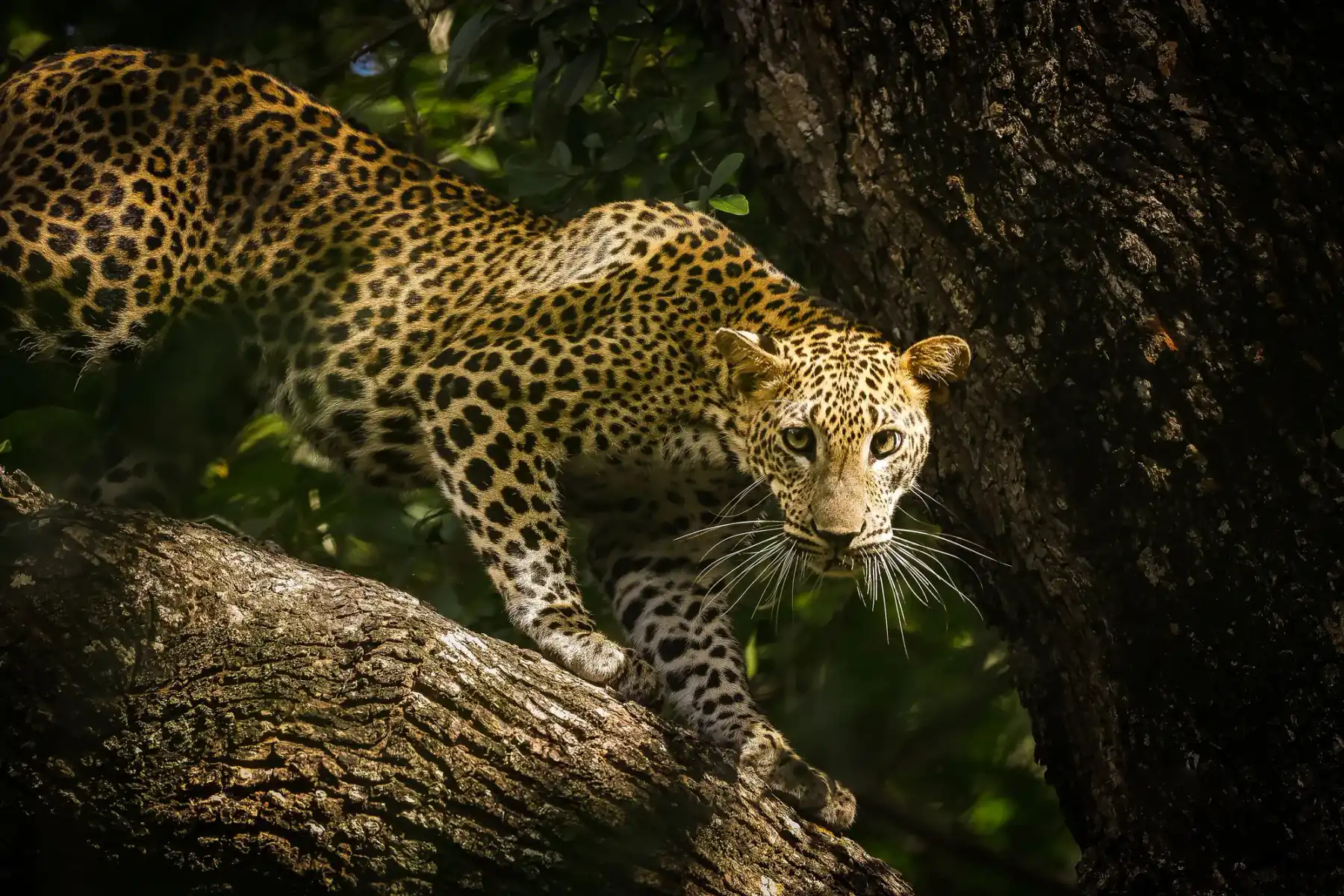
Wildlife Safaris
Is Sri Lanka safe to visit?
Related guides
All guides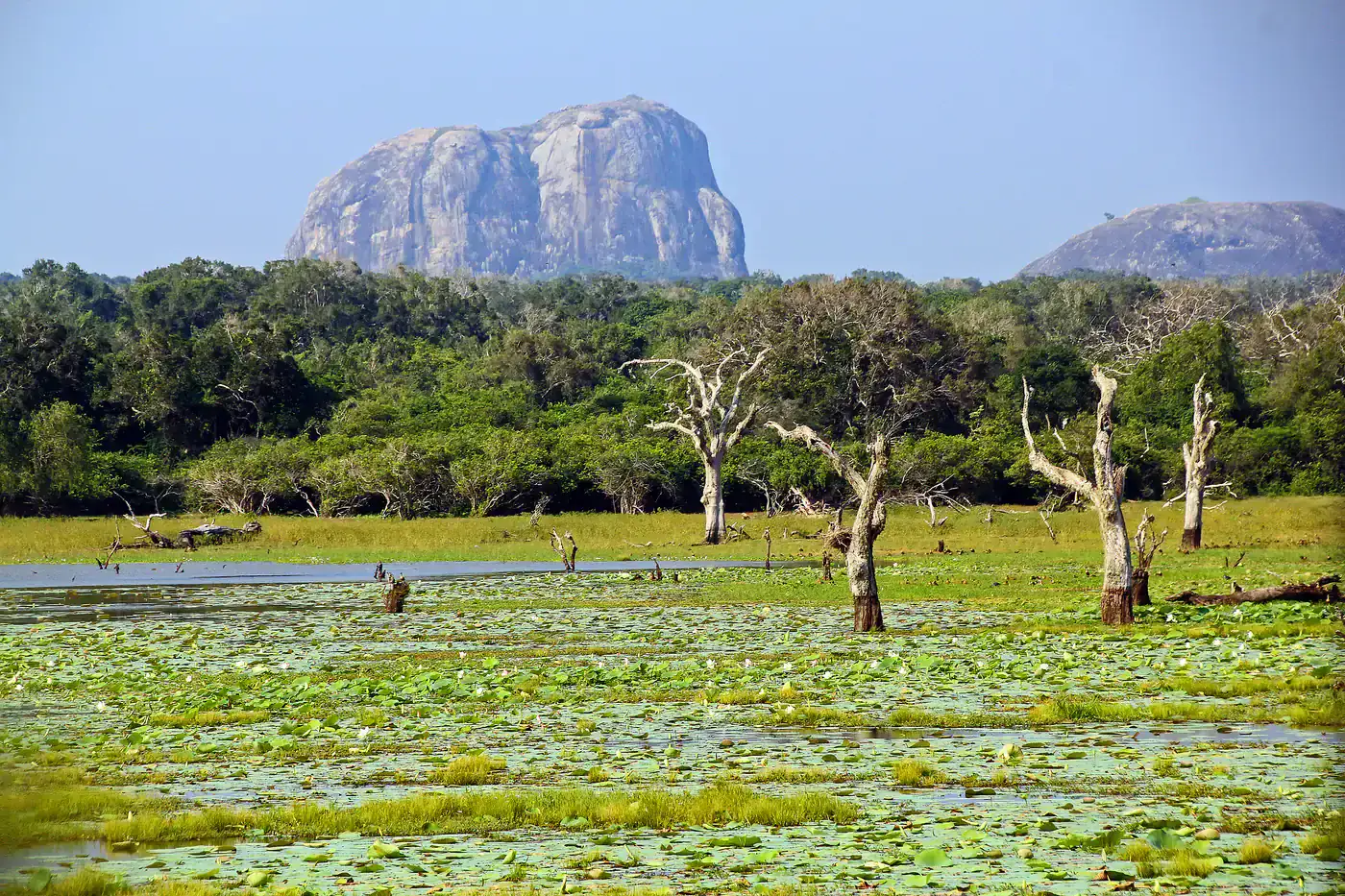
Arugam Bay to Yala: how to get there
Arugam Bay to Yala's Palatupana side is a long road day via Tissamaharama. Kumana (Yala East) is much closer, entered from Panama. OSRM times, NTC notes, no invented jeep fares. Checked 23 October 2026.
Sri Lanka's National Parks Compared
Compare Yala, Udawalawe, Wilpattu and Minneriya using official 2025 visitation, permit rules and route-fit questions rather than sighting promises.
Udawalawe or Yala?
Choose Udawalawe if elephants and a quieter park matter most; choose Yala if leopards are the priority and you accept heavier crowds. Yala Blocks 1 and 2 reportedly reopened on 16 October 2026.