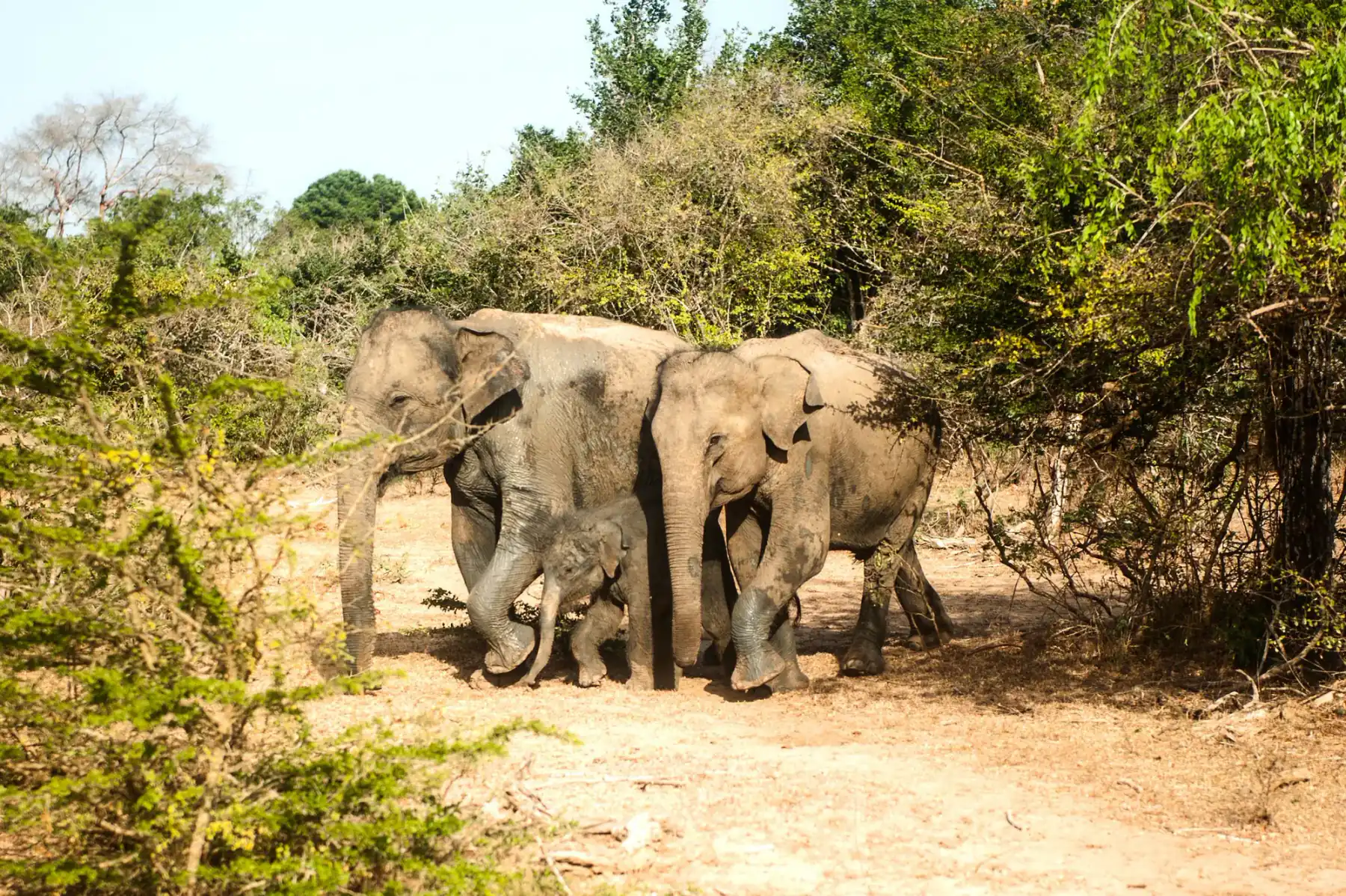
Wilpattu National Park
Wilpattu is one of Sri Lanka's older and most-visited national parks, with 164,925 visits recorded in official 2025 data.
The Department of Wildlife Conservation lists Wilpattu among Sri Lanka's older and most-visited national parks. The Sri Lanka Tourism Development Authority recorded 164,925 visits in 2025: 88,536 domestic and 76,389 foreign.
What the visitor total can tell you
Wilpattu received far fewer visits than Yala or Udawalawe in the same annual dataset and a similar total to Minneriya. That is useful demand context, not proof that a specific drive will be quiet or that a target species is likely to appear.
Permits and conduct
Entry to Sri Lanka's national parks is managed by the Department of Wildlife Conservation. Confirm the current permit process, ticketing point and park rules with the DWC or your operator for the entrance you plan to use. As general safari advice, not a statement of DWC rules: stay in the vehicle unless staff say otherwise, never feed or provoke animals, leave space for animal movement and follow the instructions of park staff and your guide.
Decide by route fit
Wilpattu is linked here to Anuradhapura and the Cultural Triangle through the site's validated geography. Confirm the entrance, current access, permit process and door-to-door transfer time for the actual route before choosing it over a southern park.
This page does not claim a leopard density, comparative sighting probability or guaranteed low crowd level. Use the national-parks comparison for the broader decision.
Is Wilpattu National Park worth visiting?
Worth it when a north-western route makes the transfer worthwhile. Its lower visitation is recorded demand, not a promise of empty roads or sightings.
Where Wilpattu National Park fits in your route
Its natural pairing is Anuradhapura and the north-west; the parks comparison helps decide whether a park fits at all.
To compare Wilpattu with Yala, Udawalawe and Minneriya before you book, see Sri Lanka's national parks compared.
Its location and travel cost make it a separate route decision, not a casual add-on to every Cultural Triangle trip.
Rules to follow on site
As general safari advice, stay in the vehicle, keep your distance from animals and let your guide or ranger set the pace. Never feed animals or press the driver toward a closer view. Check the Department of Wildlife Conservation's current access notices before arranging the trip.
South of the park, Puttalam, which has bus links to Colombo and Mannar.
Sources
Last verified 2026-08-28
Read next
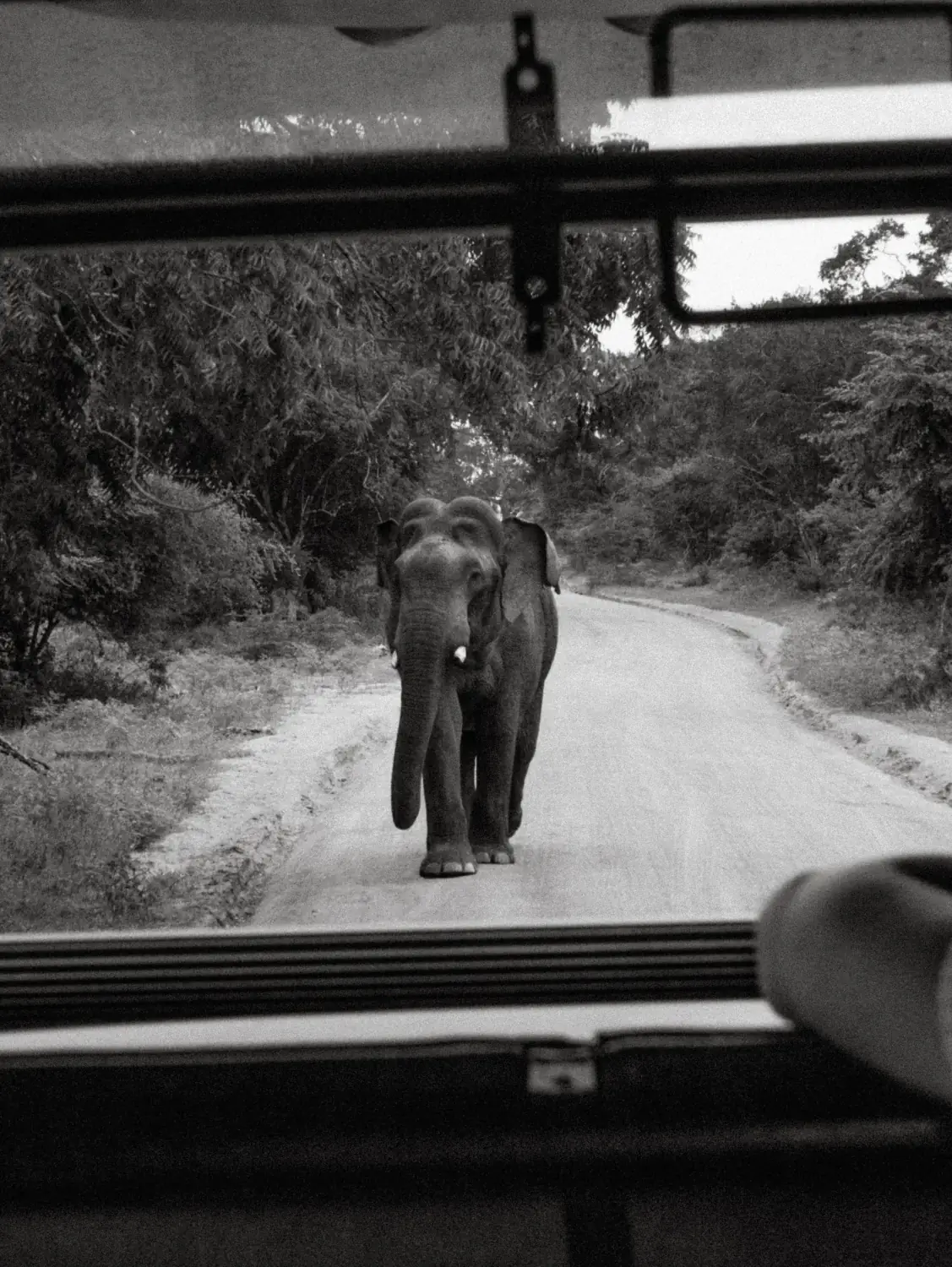
Sri Lanka's National Parks Compared
Compare Yala, Udawalawe, Wilpattu and Minneriya using official 2025 visitation, permit rules and route-fit questions rather than sighting promises.
More places in this region
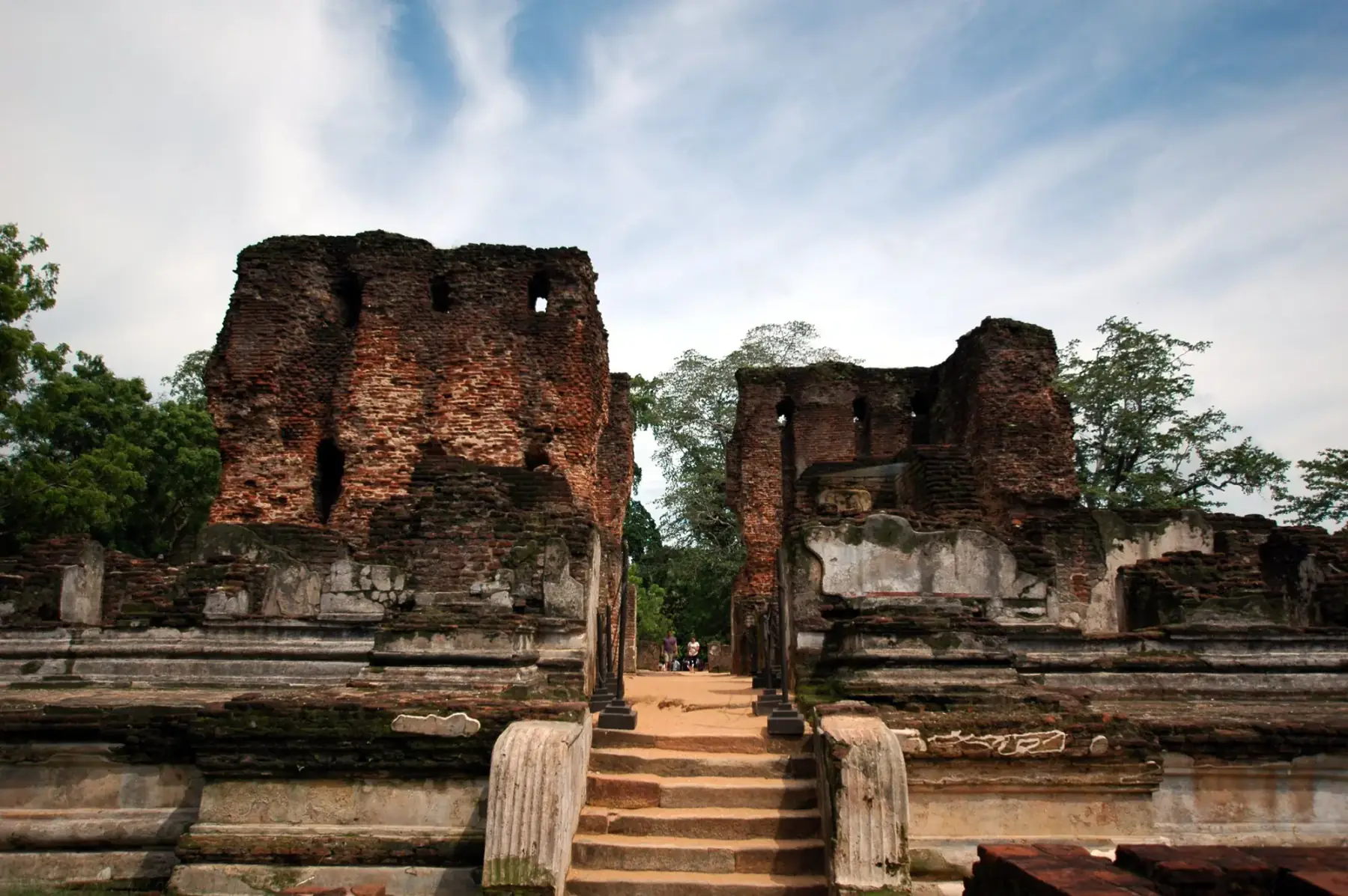
Ancient City of Polonnaruwa
UNESCO 1982 · HeritageSri Lanka's second capital after Anuradhapura, with Chola-period Brahmanic monuments and the 12th-century city associated with Parakramabahu I.
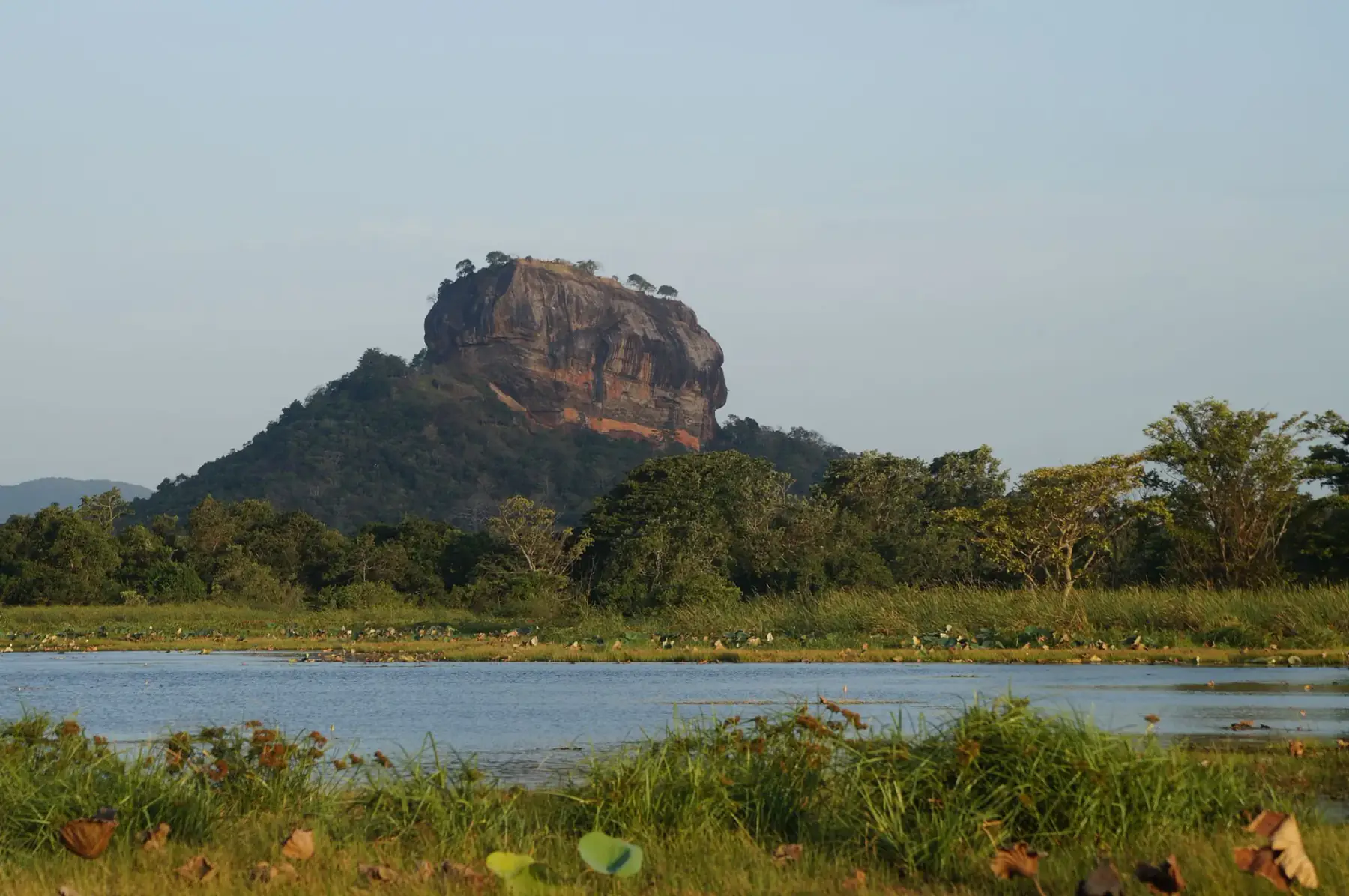
Ancient City of Sigiriya
UNESCO 1982 · HeritageA World Heritage property built across the slopes and summit of a granite peak used as King Kassapa I's capital.
Jaya Sri Maha Bodhi
Sacred siteA living Buddhist pilgrimage place at the centre of Anuradhapura's sacred-city tradition.