Christian Heritage in Sri Lanka
A method for researching Christian churches and heritage through responsible denominations, parishes and current service information.
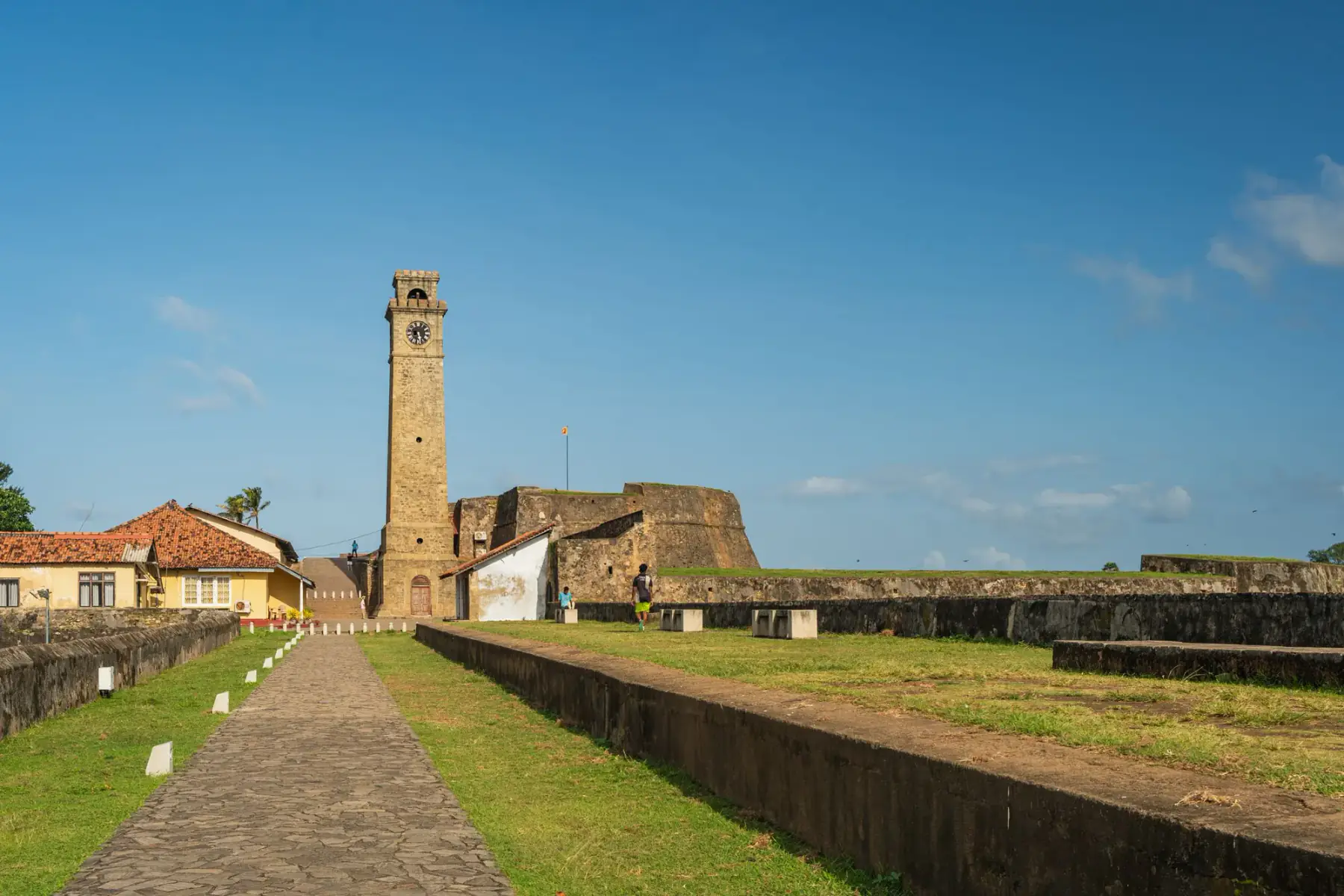
Sri Lanka's Christian heritage cannot be reduced to one denomination, colonial period or town. Build a visit from named churches and their responsible dioceses, denominations or parishes.
Start with Negombo, then verify the church
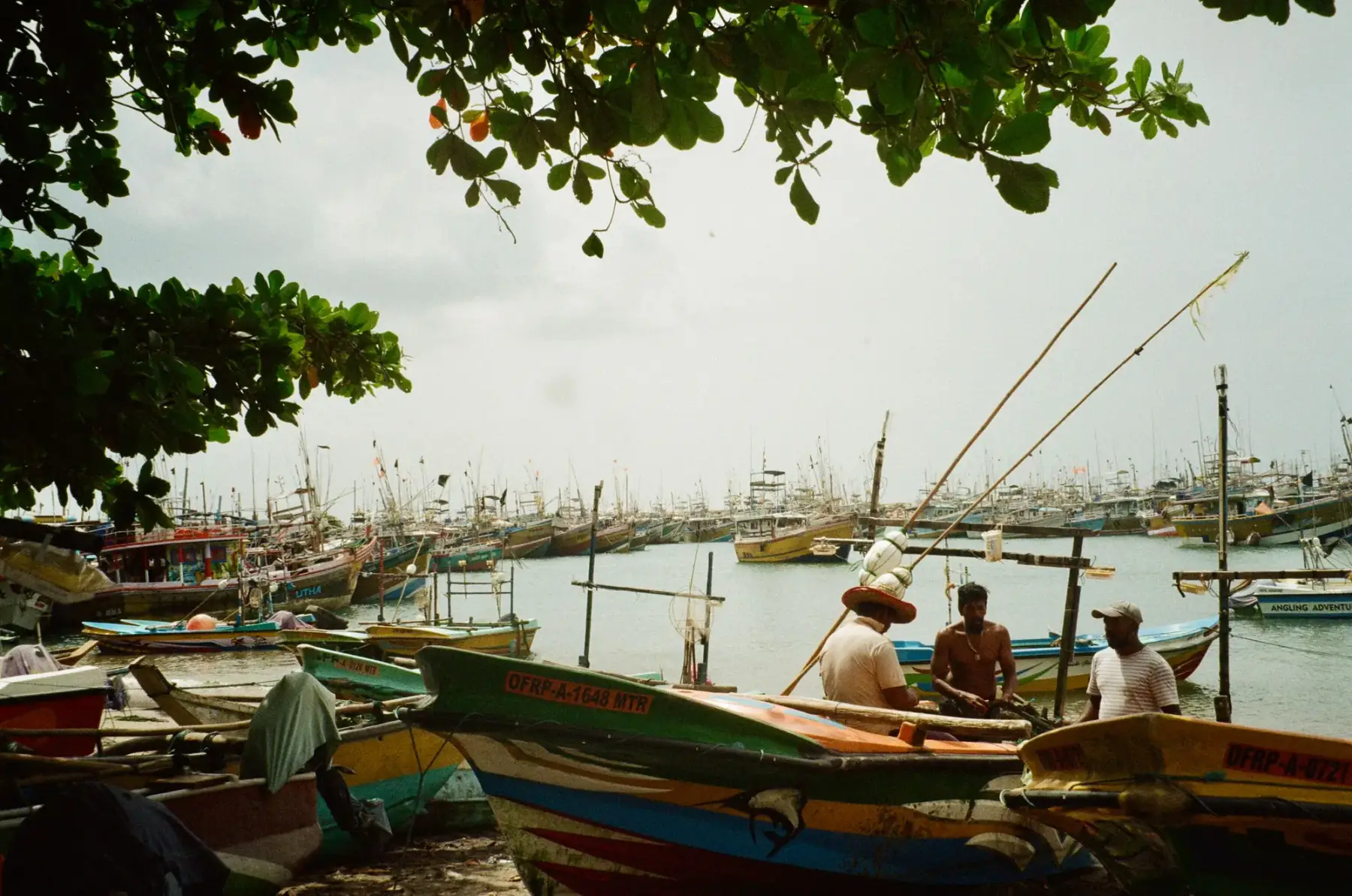
Negombo is a practical starting point because Sri Lanka Tourism includes churches in its town heritage. That does not prove a universal architectural style, daily visitor access or a specific procession. Select a church, find its official contact and verify whether your interest is worship, architecture, history or a feast.
Do not force a national circuit
The Department of Christian Religious Affairs works with religious centres nationally, but it does not provide a ready-made sightseeing route. Add another town only when a named church and reliable institutional source justify the journey. Some accounts associate Christian interpretation with Sri Pada; treat that as tradition-specific rather than uncontested history.
Visit respectfully
Do not schedule a church as airport filler without confirming transfer time and access. Avoid sightseeing during worship unless visitors are invited, dress respectfully and ask before photographing. The Christianity page and west-coast guide provide wider context.
Define what “Christian heritage” means for the trip
The phrase can describe several different interests:
- attending worship with a particular denomination;
- visiting a church connected to family or community history;
- studying architecture, art or a named historical period;
- planning around a feast, procession or pilgrimage tradition; or
- understanding Christian institutions within a wider Sri Lanka route.
These purposes require different evidence. A tourism page may establish that a town is associated with churches, but it does not prove a congregation's service time or visitor policy. A denominational or parish source may establish worship information but may not document every architectural claim made by a travel article.
Write down the purpose before selecting churches. That prevents a route from becoming a generic list of buildings labelled “colonial” without responsible context.
A verification method for any church
For every proposed visit:
- Record the church's current official name and location.
- Identify the responsible parish, diocese, denomination or religious institution.
- Confirm whether visitors are welcome outside services.
- Check the current service, feast or event information if participation matters.
- Ask about clothing, photography, accessibility and group visits.
- Verify the route from the actual accommodation rather than from a broad town label.
If no responsible source or current contact can be found, describe the uncertainty instead of filling it with an aggregation site's history.
Building a Negombo-focused visit
Negombo can support a focused heritage day when one or two named churches have been verified. Combine them only when their locations, access and the traveller's purpose form a coherent route. The town may also include a market, lagoon or coastal stop, but those are separate decisions and should not be used to justify an unsupported “church city” itinerary.
A focused plan can be more useful than a national circuit:
- choose a church tied to the visitor's worship or historical interest;
- allow for a service or closure to take priority over sightseeing;
- add one wider town stop only after checking travel time; and
- keep airport travel separate, with a realistic buffer based on the actual address.
When another region belongs in the route
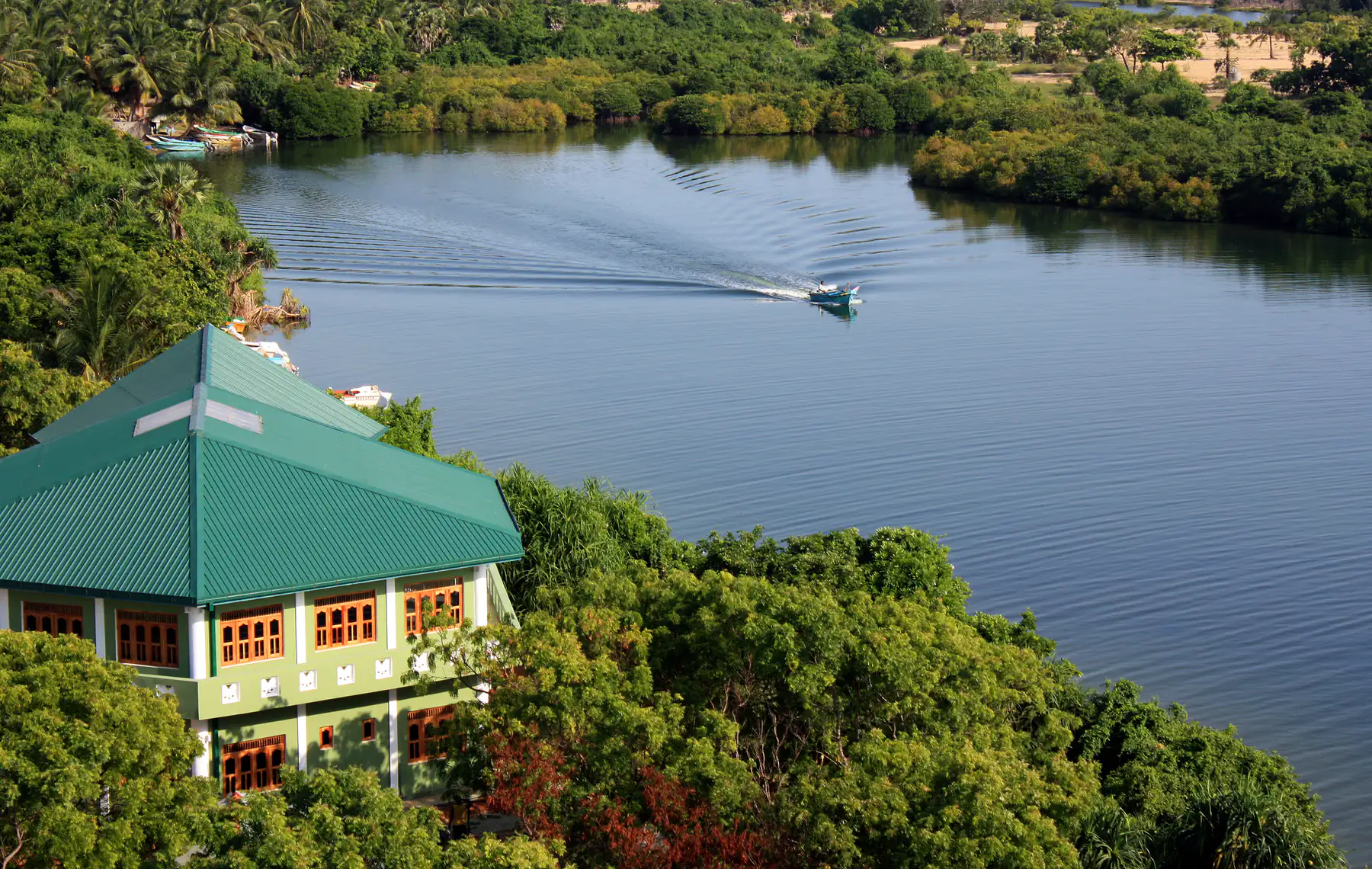
Add Batticaloa, Colombo, Jaffna, Kandy or another town only when a named institution and reliable evidence justify it. Do not infer denomination, age, architecture or community importance from the building's appearance. A long transfer needs more than a vague promise of “Christian heritage.”
Sri Pada also needs careful wording. Different traditions interpret the summit footprint differently. A Christian association should be presented as tradition-specific and sourced, not as the site's single history.
Attending worship respectfully
Visitors should distinguish attending worship from observing a building. Confirm whether the service is open, arrive without disrupting the congregation, follow local guidance on participation and avoid photographing people without permission. Do not publish a service time unless it has been checked for the relevant date.
For a feast or procession, verify the year's date and route through the responsible institution. Public-holiday status does not prove that a local event will occur in the form described by an older article.
A responsible route brief
Before travelling, keep one line for each church covering its official identity, responsible institution, purpose of the visit, verified access, contact, transport and unresolved questions. That small record is more reliable than a long unsourced list and makes later corrections possible.
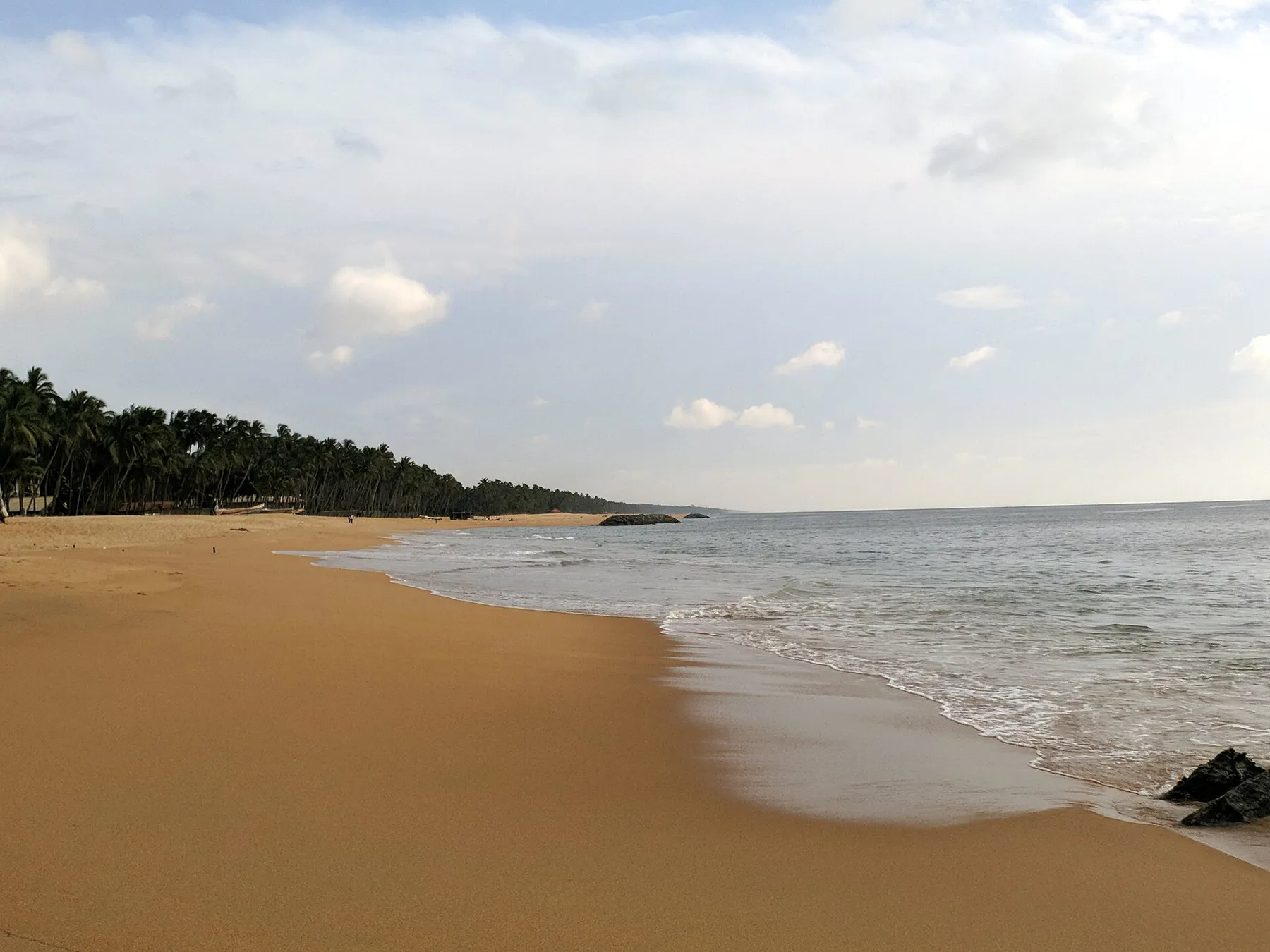
On the north-west coast, the Diocese of Chilaw has the National Shrine of the Holy Cross (Kurusa Palliya) at Marawila, on the beach.
Sources
Last verified 2026-08-28
Covered in this guide
Negombo
Batticaloa

Sri Pada (Adam's Peak)
Cultural Heritage
Colombo & West Coast
Marawila
Related guides
All guides
Colombo Airport to Negombo
Colombo airport to Negombo taxi cost: the airport's fixed-fare card rate of Rs 3,780, how far town and beach are, onward bus fares from Negombo, and when a first night in Negombo makes sense. Checked 27 October 2026.
Sri Lanka's Award-Winning Beaches 2026
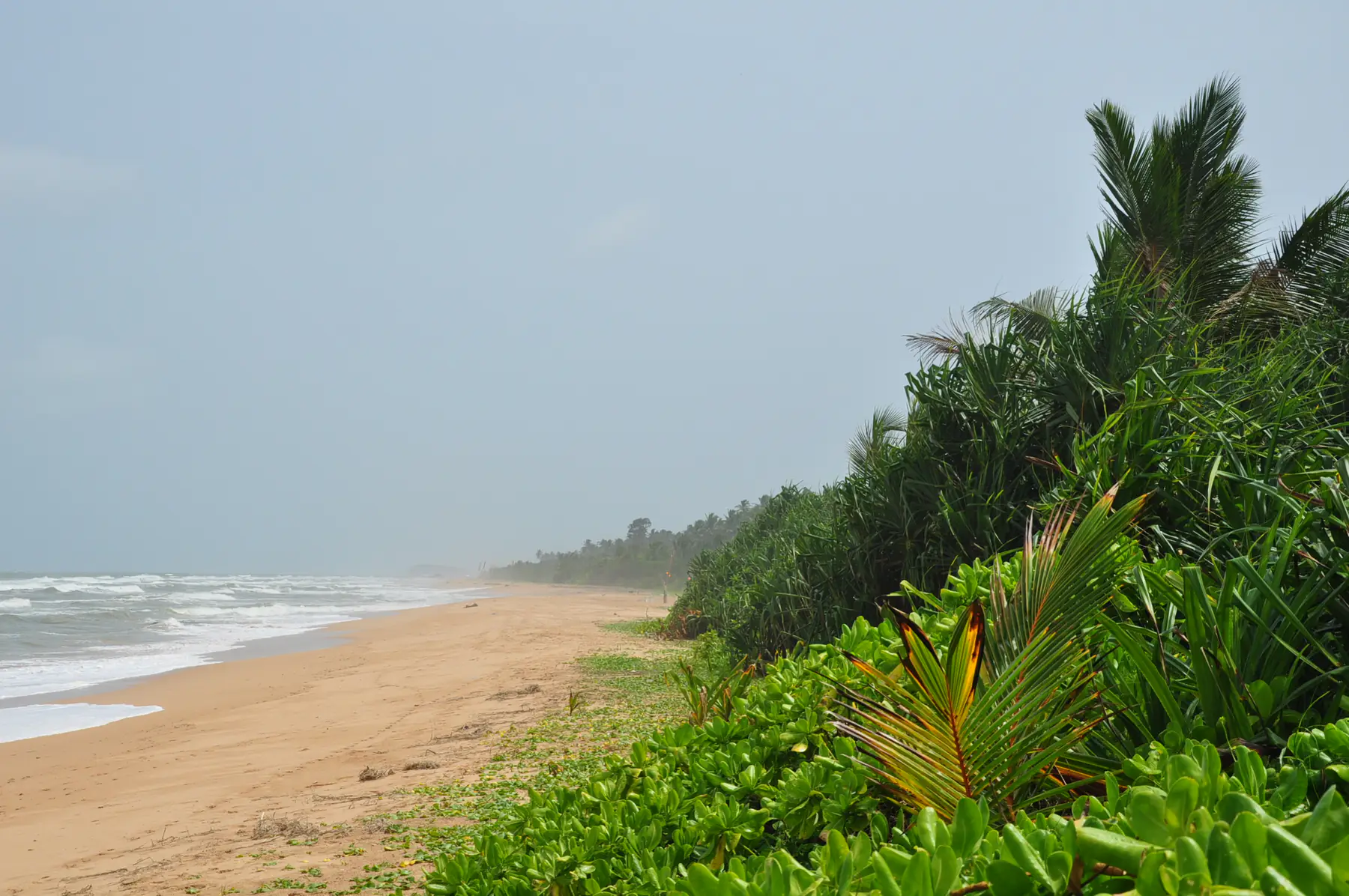
Four Sri Lankan beaches made Condé Nast Traveller's 2026 Best beaches in Asia top 20: Arugam Bay (1st), Bentota (9th), Tangalle (14th) and Negombo (19th). Scores, best months for each and how to fit them into a trip from the UK, checked 16 October 2026.
Buddhist Pilgrimage Circuit
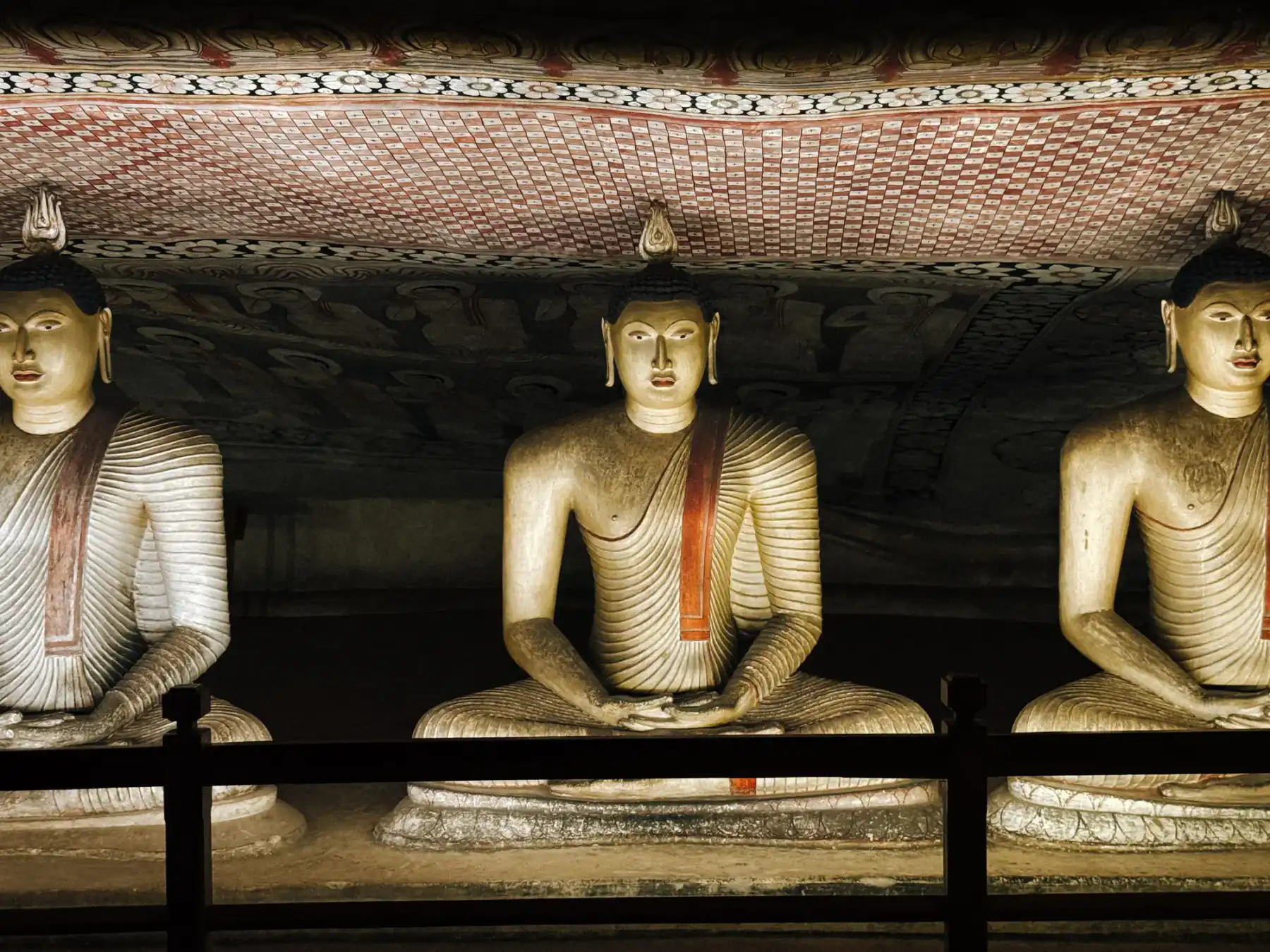
A flexible route framework for active Buddhist sites in Anuradhapura, Mihintale and Kandy, with Sri Pada treated separately.