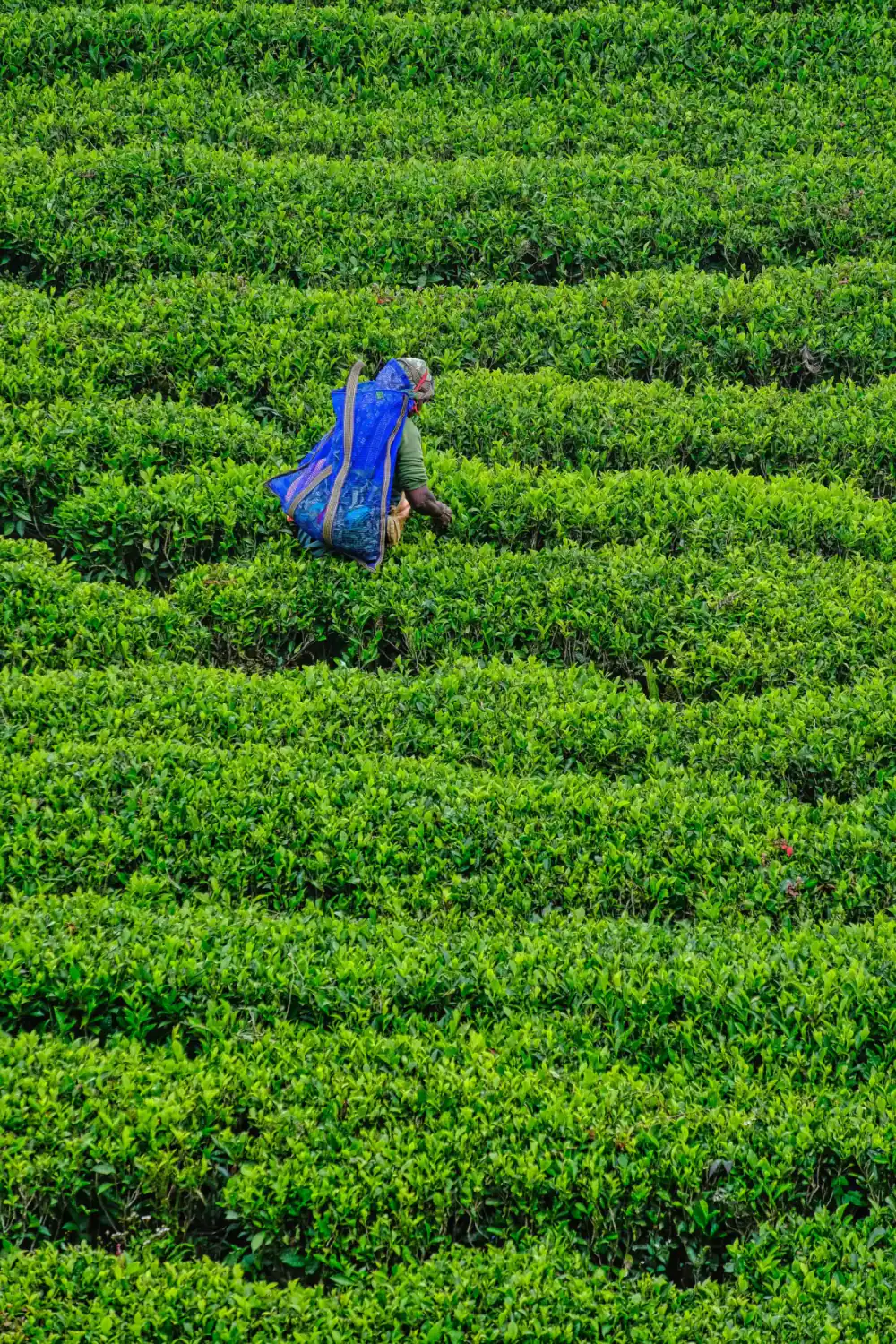
Tea Country
Sri Lanka has seven defined tea-growing regions; choose a visit by origin, access and what the estate or factory actually offers.
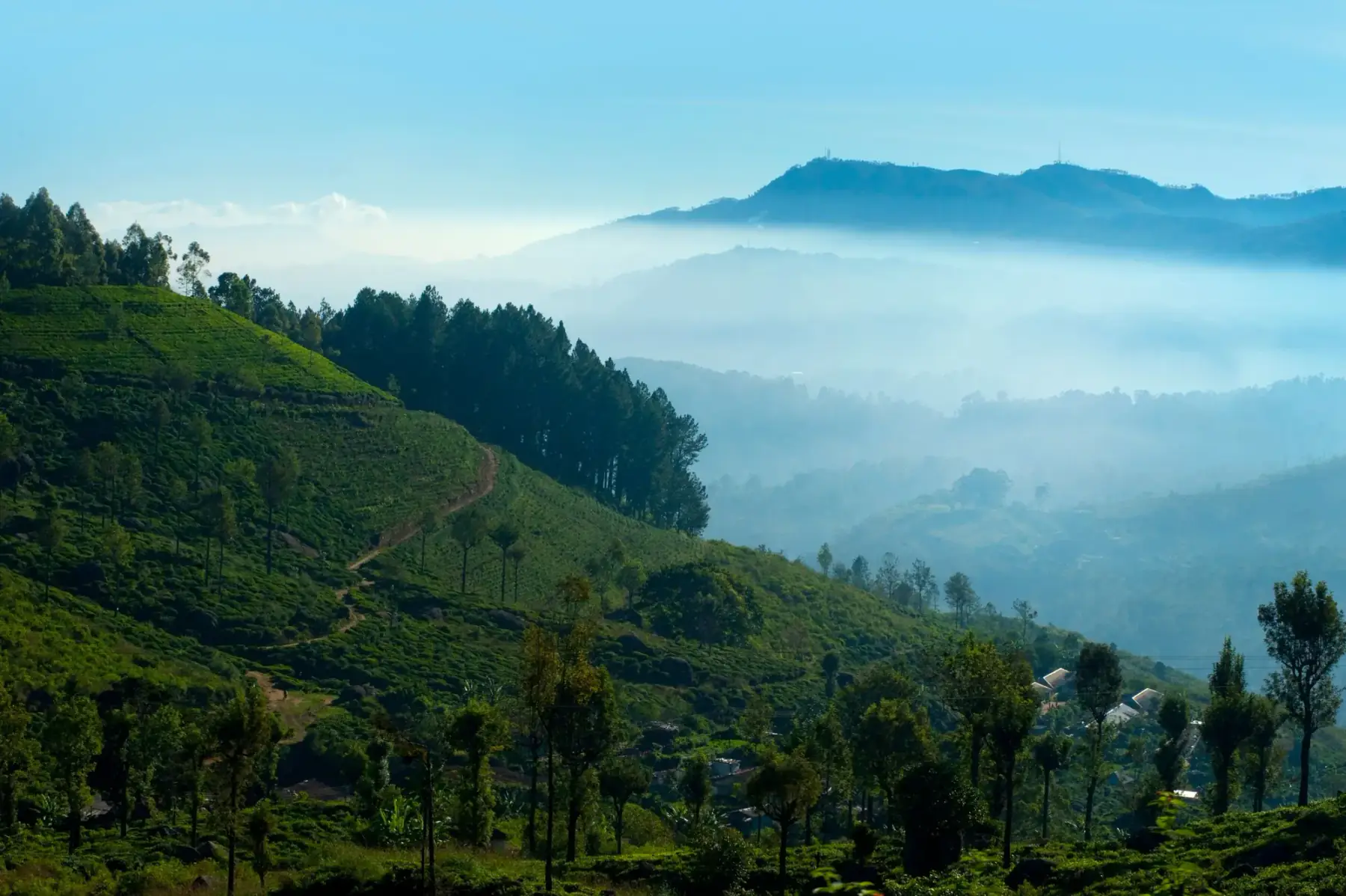
Sri Lanka's tea country is broader than Nuwara Eliya and Hatton. The Sri Lanka Tea Board defines seven tea-growing regions—Nuwara Eliya, Dimbula, Uva, Uda Pussellawa, Kandy, Ruhuna and Sabaragamuwa—shaped by different elevations, terrain and microclimates.
Start with origin
The Tea Board controls the use of regional names: tea bearing a district name must meet origin and manufacture requirements for that region. For a visitor, this makes a useful question: which tea region and production stage does the estate or factory actually represent?
The Tea Research Institute also maintains regional centres across high-, mid- and low-country growing areas. That reinforces the point that Sri Lankan tea production is not confined to one picturesque hill-country corridor.
What to verify before a tea visit
- Is the estate, factory or museum currently open to visitors?
- Is the visit a working-production tour, a tasting, a museum, or only a retail stop?
- Which tea-growing region and production process will be explained?
- Are photography, footwear or machinery-area restrictions in force?
- What access, stairs, walking and transport does the visit require?
- How are workers represented, and is any labour or sustainability claim supported by evidence?
This site does not endorse an estate or claim that “many estates” offer the same tour. Verify the named property and the exact experience before travelling.
Fit tea into a hill-country route
Use the hill-country region guide and Nuwara Eliya page to place a high-country visit, or the hill-country itinerary for a transport-flexible sequence. A scenic landscape, factory visit and tea-origin lesson are different experiences; choose the one you actually want.
Choose what “tea country” means for this trip
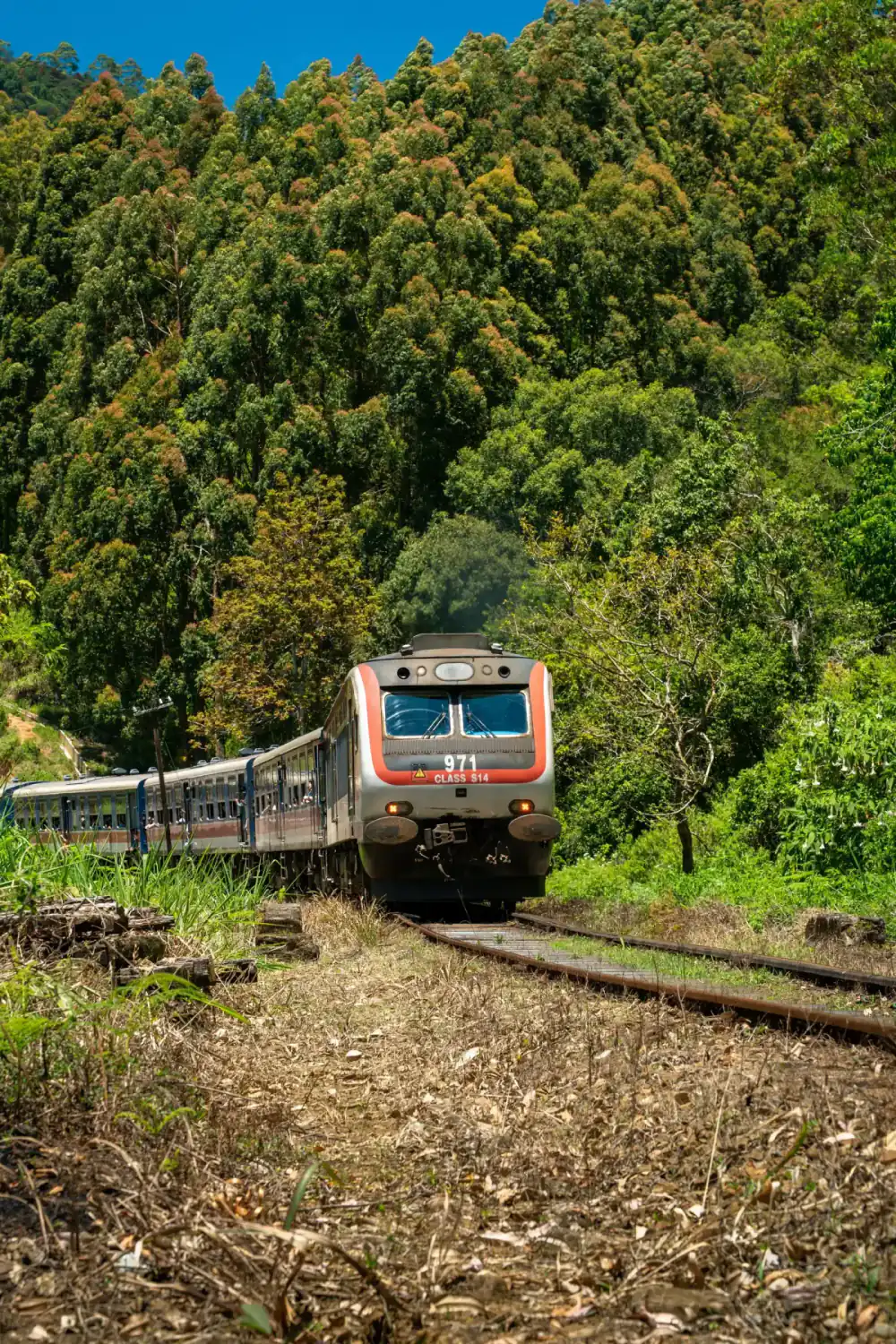
Tea-country travel can mean estate landscapes, railway journeys, factory interpretation, hiking or a cool-climate base. Hatton, Nuwara Eliya and Ella serve different route purposes, so do not book all three automatically.
Treat factory visits as operating businesses
Confirm whether a named estate or factory accepts visitors, whether advance booking is required, what the tour includes and whether production is operating that day. A retail tea stop is not the same as an explanation of cultivation and processing. Avoid entering working land without permission.
Link the route realistically
Rail can be part of the experience, but current schedules, reservations and station transfers still control the day. Use the hill-country itinerary for sequencing and the rail guide for service checks. Weather and visibility should be treated as current conditions, not guaranteed scenery.
Sources
Last verified 2026-08-28
Destinations for this
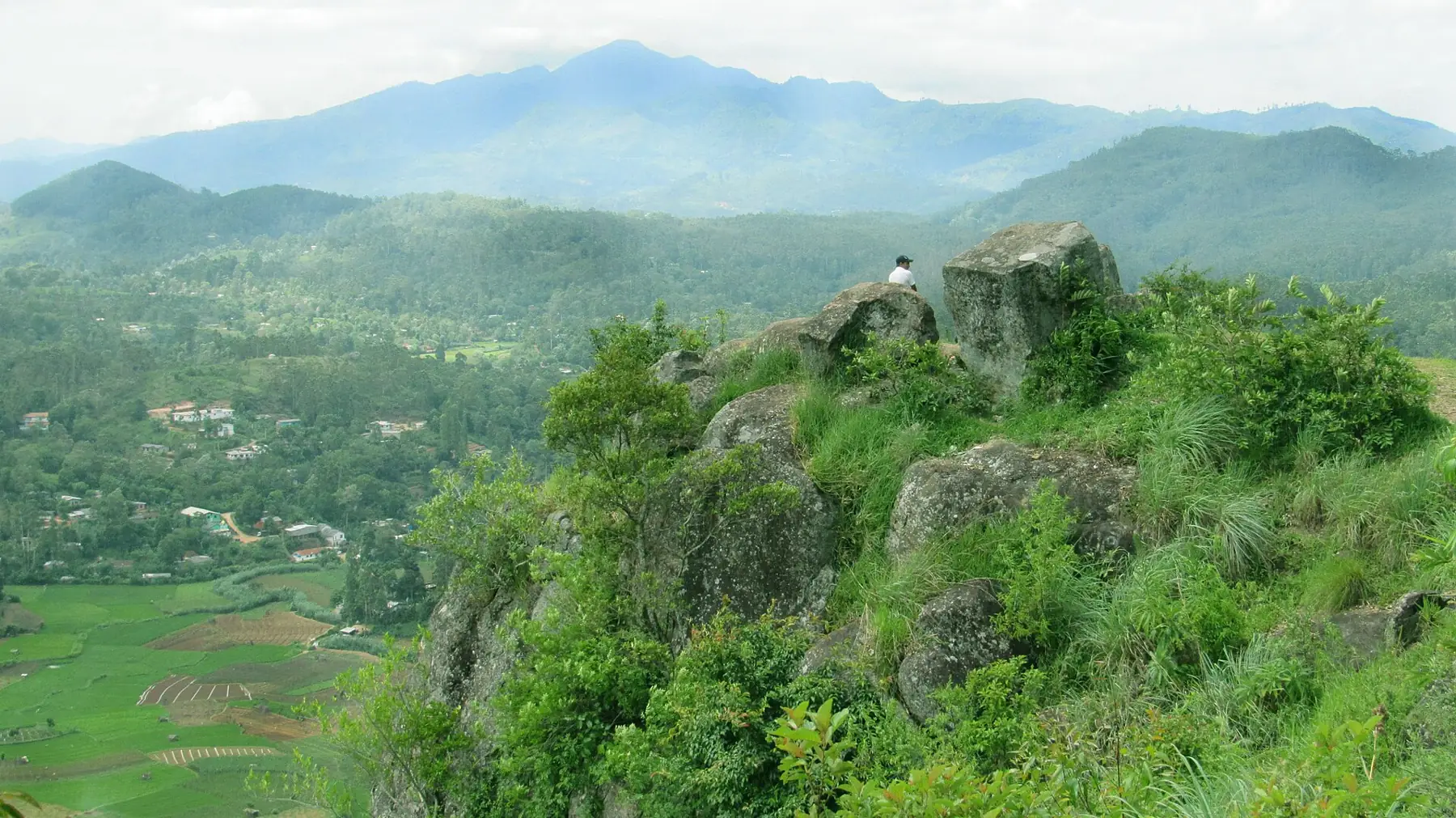
Bandarawela
A cool hill town in Uva Province, about 1,230 m up, between Haputale and Ella on the running hill railway. It has its own weather station, which shows June to August as the driest months and October and November as the wettest.
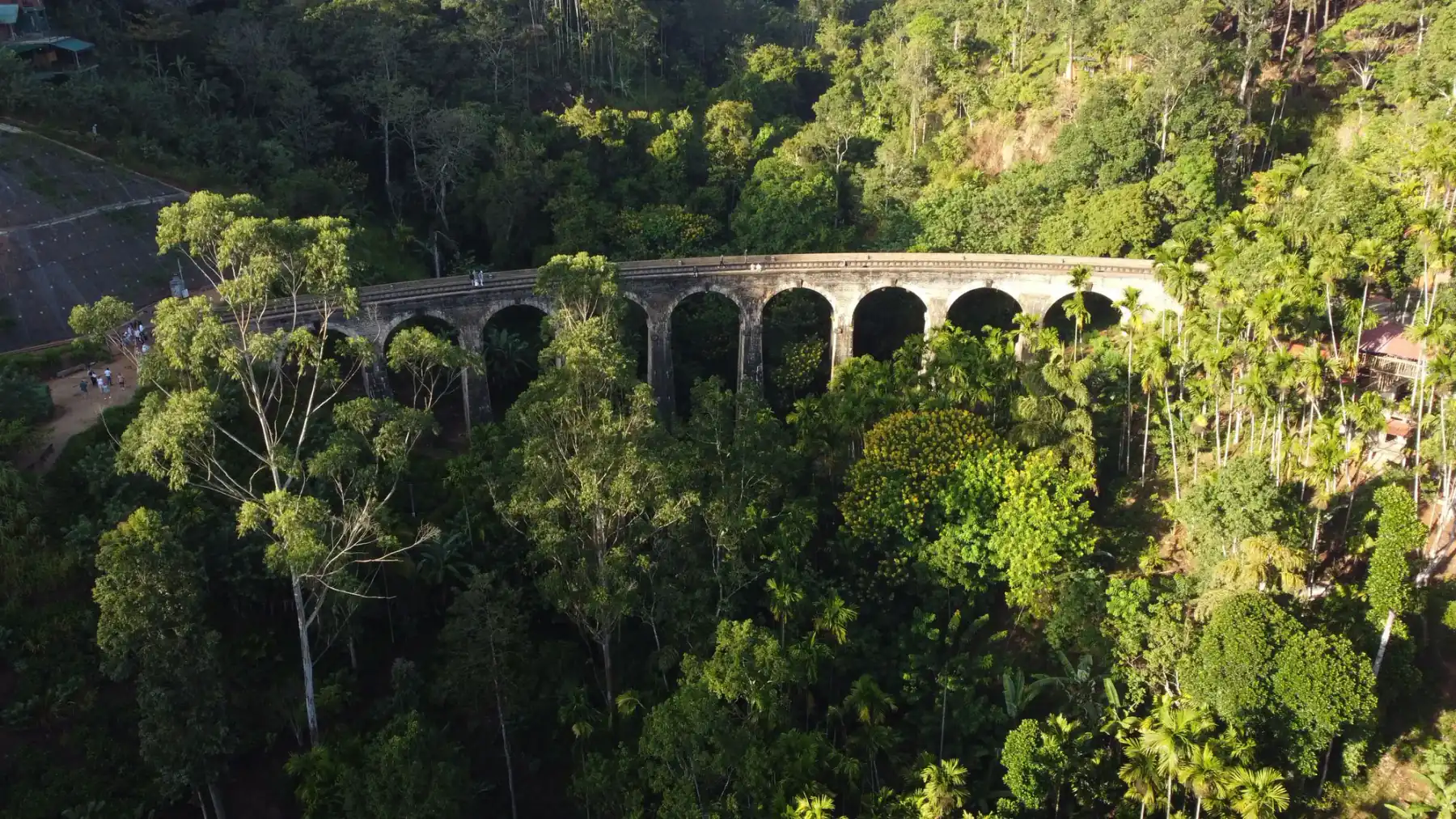
Ella
A Badulla District hill-country base for Ella-area walks, waterfalls and the Nine Arch Bridge, with transport and trail conditions to verify.
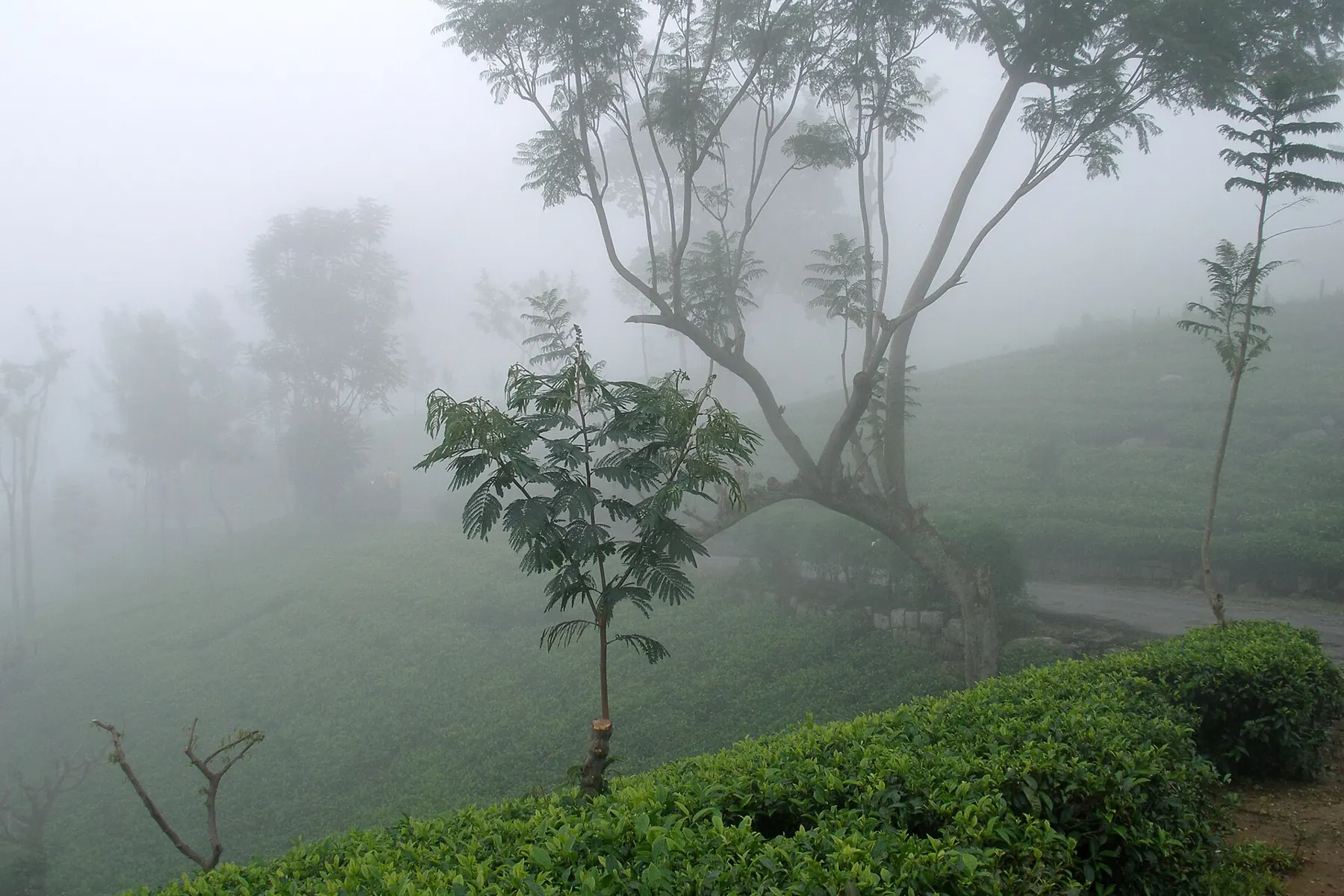
Haputale
A small ridge-top tea town in Uva Province, on the running Nanu Oya to Ella railway. Known for Lipton's Seat, Adisham Bungalow and the Haputale Gap. Driest from June to August; wettest in October and November.
Hatton
A tea-country transport base used for routes toward Sri Pada, with rail and road details requiring current verification.
Nuwara Eliya
A hill-country base for tea-region visits and access planning for Horton Plains, distinct from Ella and Kandy.