Diving & Snorkeling
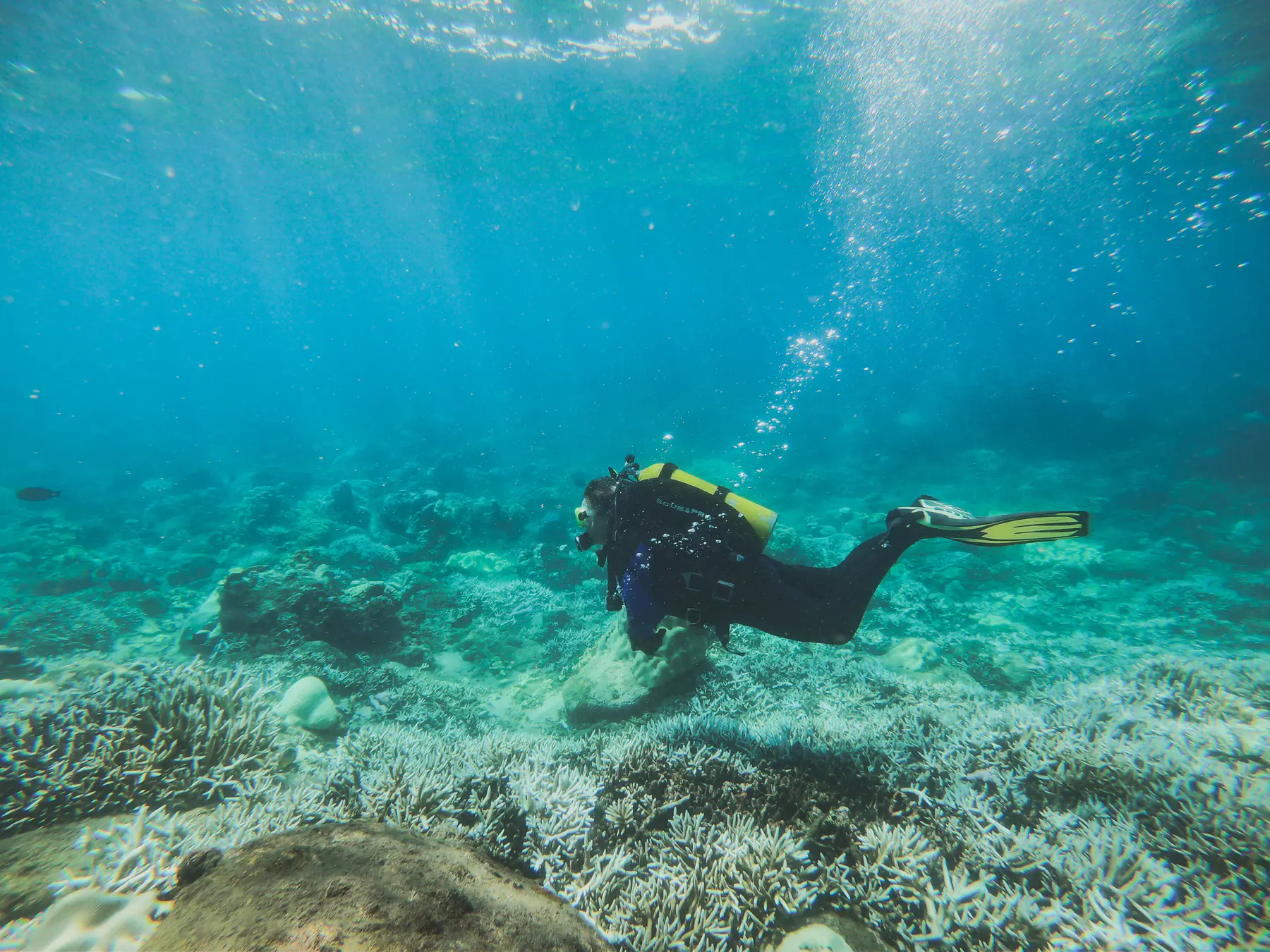
Choose a Sri Lanka diving or snorkelling site by current access, operator standards, sea conditions and your actual ability.
Diving and snorkelling in Sri Lanka are site-specific activities. A town name, dry-season label or attractive reef description cannot establish current visibility, currents, access or suitability for one person.
Start with the type of activity
- Shore or boat snorkelling: ask about the entry point, supervision, flotation options, currents and protected-area rules.
- Recreational diving: verify the operator's current credentials, equipment process, briefing, group ratio and how the site matches your certification and recent experience.
- Wreck or advanced diving: require site-specific depth, overhead, current and qualification information. This guide does not label a site appropriate without that assessment.
Protected areas and current access
Pigeon Island National Park is controlled by the Department of Wildlife Conservation. Check current park status, permits and authorised transport through official channels. Hikkaduwa is a separate south-coast decision; verify any protected-area access and local rules rather than relying on a commercial surf-hotel page.
Conditions can override the plan
Use the Department of Meteorology's marine information and follow Coast Guard or local safety warnings. Do not enter because a monthly guide calls the sea calm. The beach guide helps choose a coast by date, but the final decision belongs to current conditions and qualified local assessment.
Match the site to the participant
Do not choose a dive or snorkel trip from a destination name alone. Tell the operator each participant's certification, recent experience, swimming confidence and equipment needs. Ask which site is proposed, why it suits the group, and what conditions would trigger a change or cancellation.
Check the complete operating picture
Visibility, current, swell and boat access can change independently of a broad seasonal pattern. Confirm the marine forecast, operator safety briefing, equipment condition, supervision ratio and emergency arrangements. A protected-area visit may also require a permit or authorised boat; Pigeon Island is one example where current Department of Wildlife Conservation arrangements matter.
Keep wildlife encounters responsible
Do not touch coral, stand on reefs, feed wildlife or pursue animals for a photograph. Follow protected-area and operator instructions. If conditions or ability do not match the planned site, changing the activity is a sound decision, not a failed day.
Sources
Last verified 2026-08-28
Destinations for this
Hikkaduwa
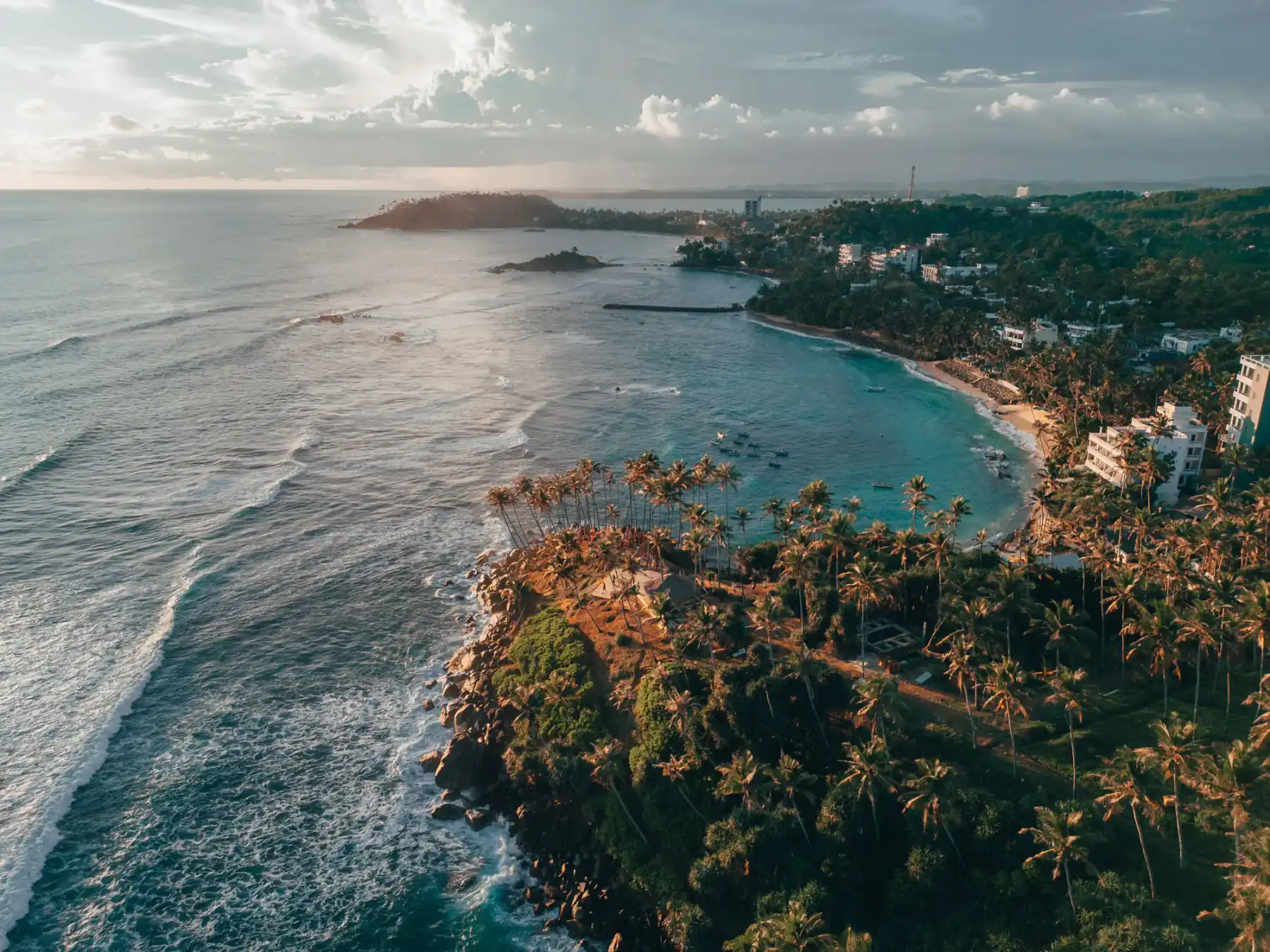
A south-coast beach town known for its reef and surf breaks, on the west side of the South Coast region closer to Galle than to Mirissa.
Kalpitiya
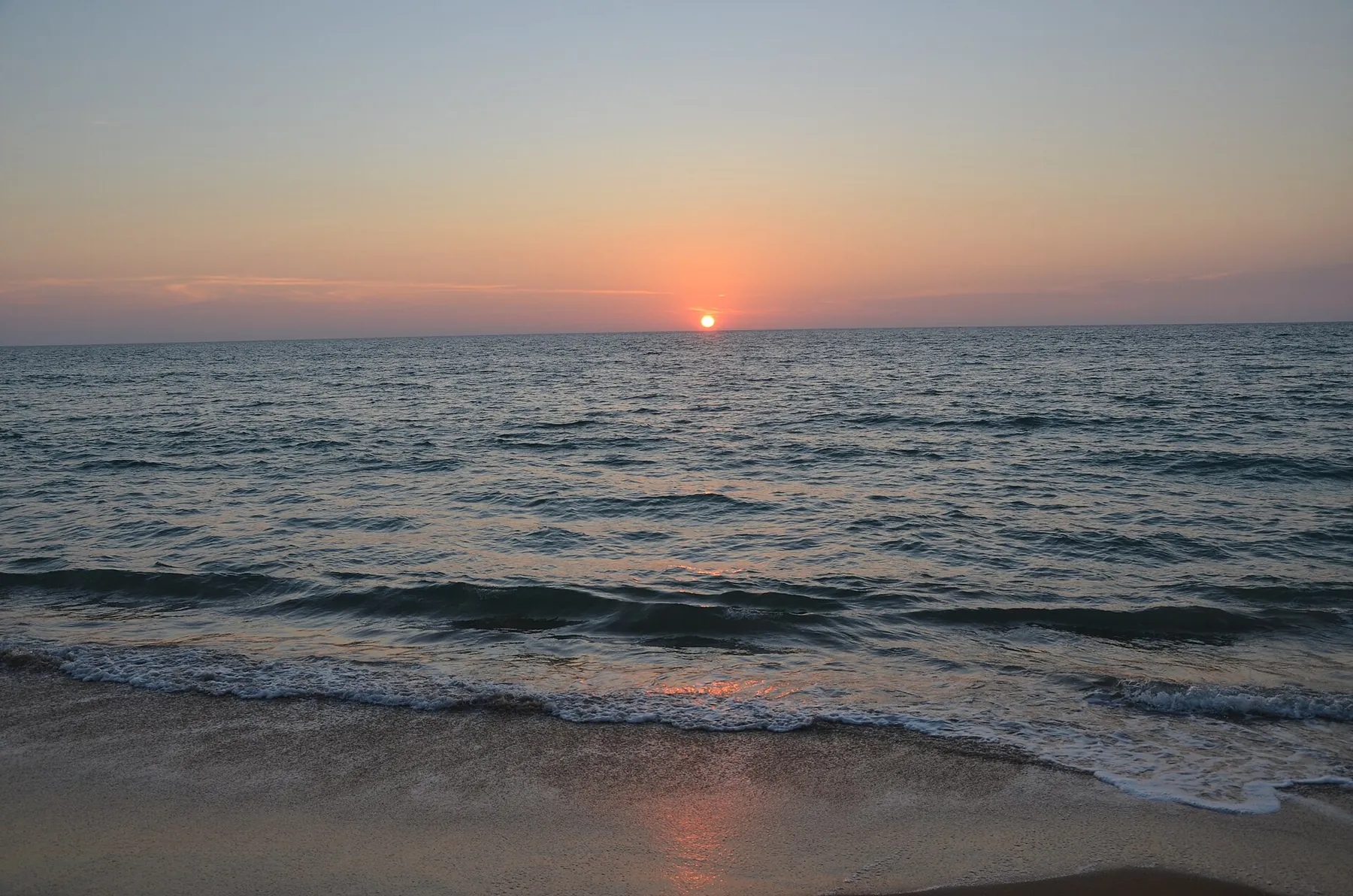
A peninsula between Puttalam Lagoon and the Indian Ocean, about 150 km north of Colombo, with two kitesurfing seasons, dolphin pods offshore and bar reefs. Wind, not beach weather, sets the calendar here.
Nilaveli
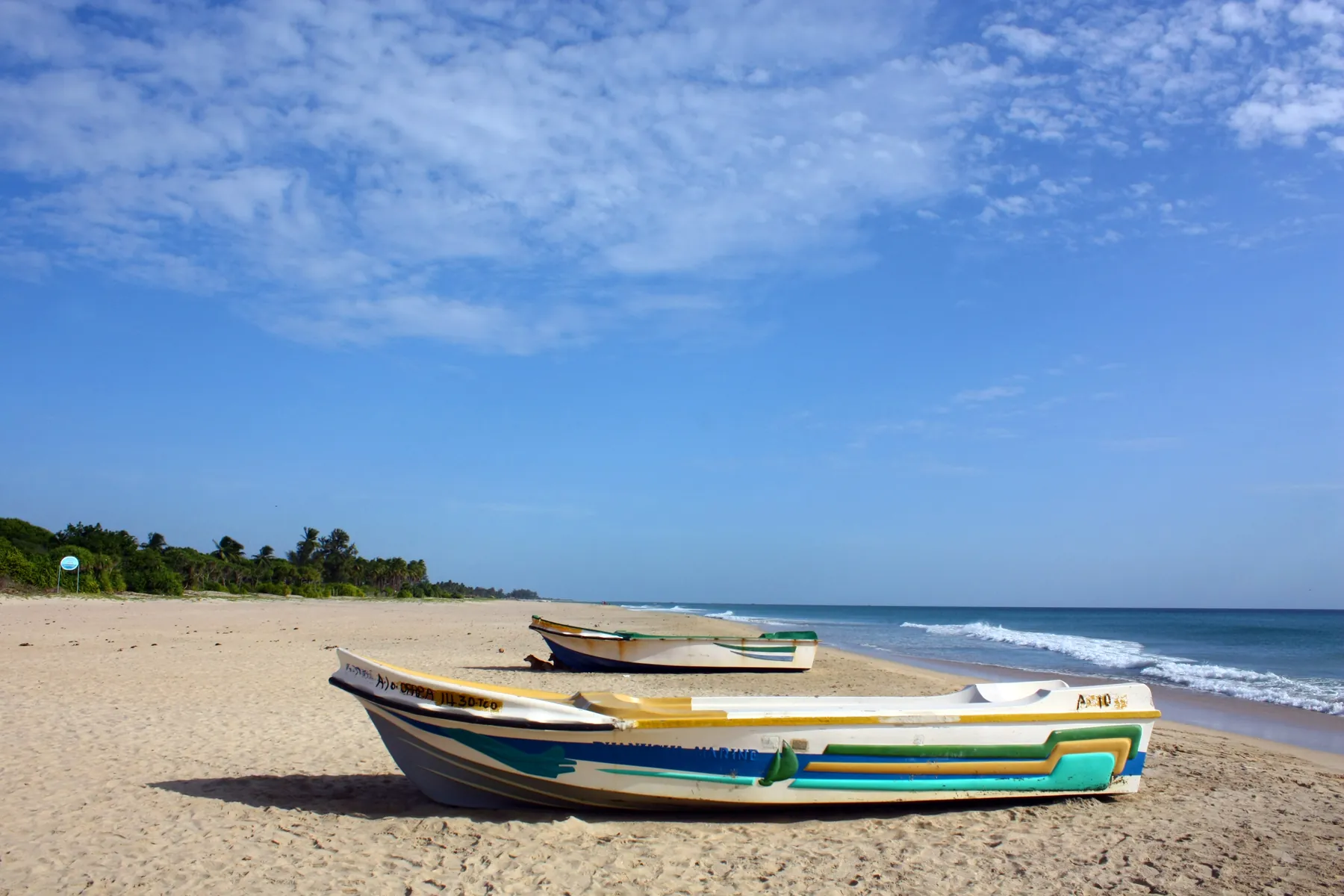
A long east coast beach about 20 km from Trincomalee and the usual base for Pigeon Island National Park. Its dry, calm months run from about February to September, the reverse of the south coast.
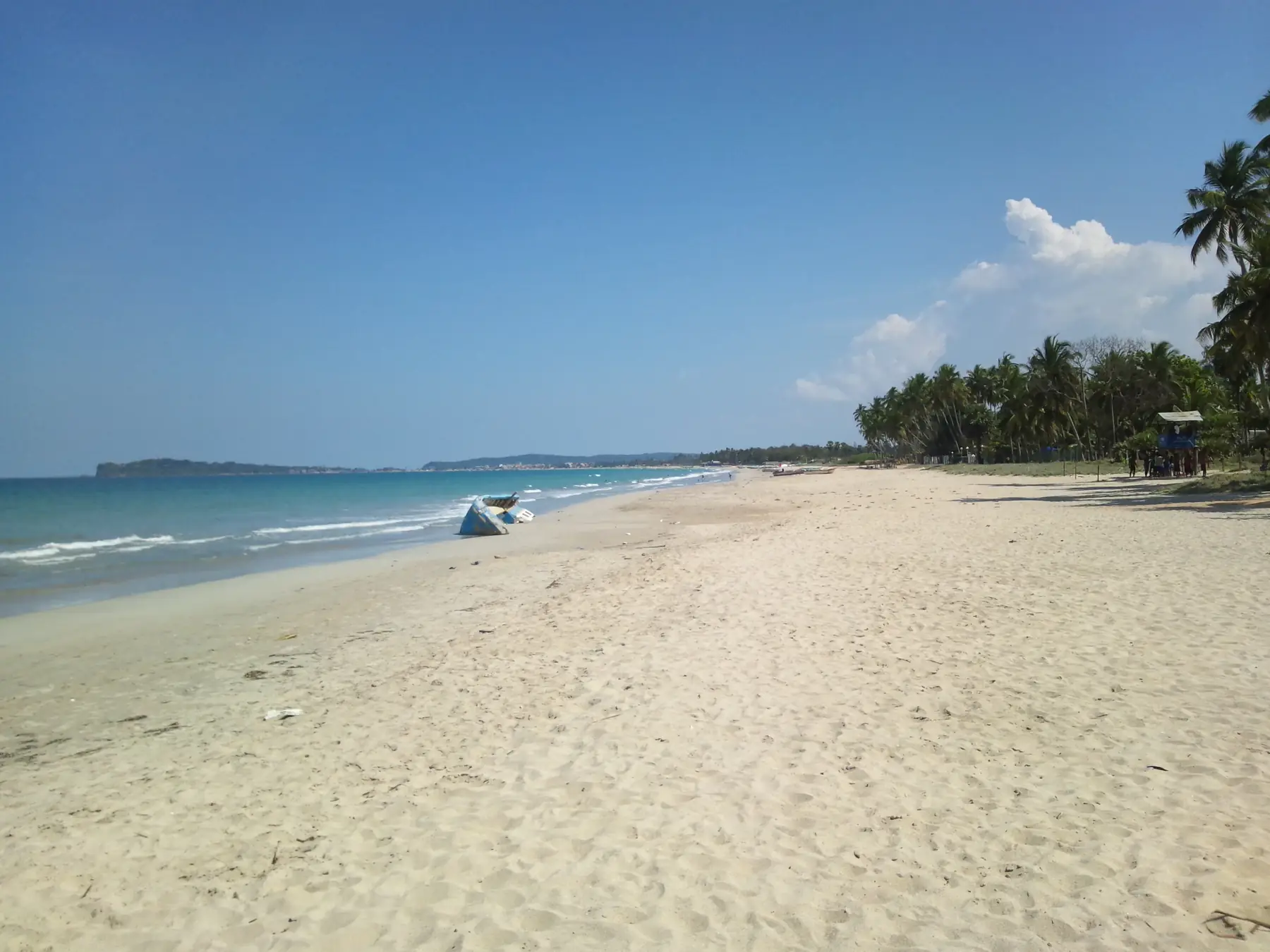
Trincomalee
An east-coast harbour city combining beaches, protected marine access and active sacred or heritage places.
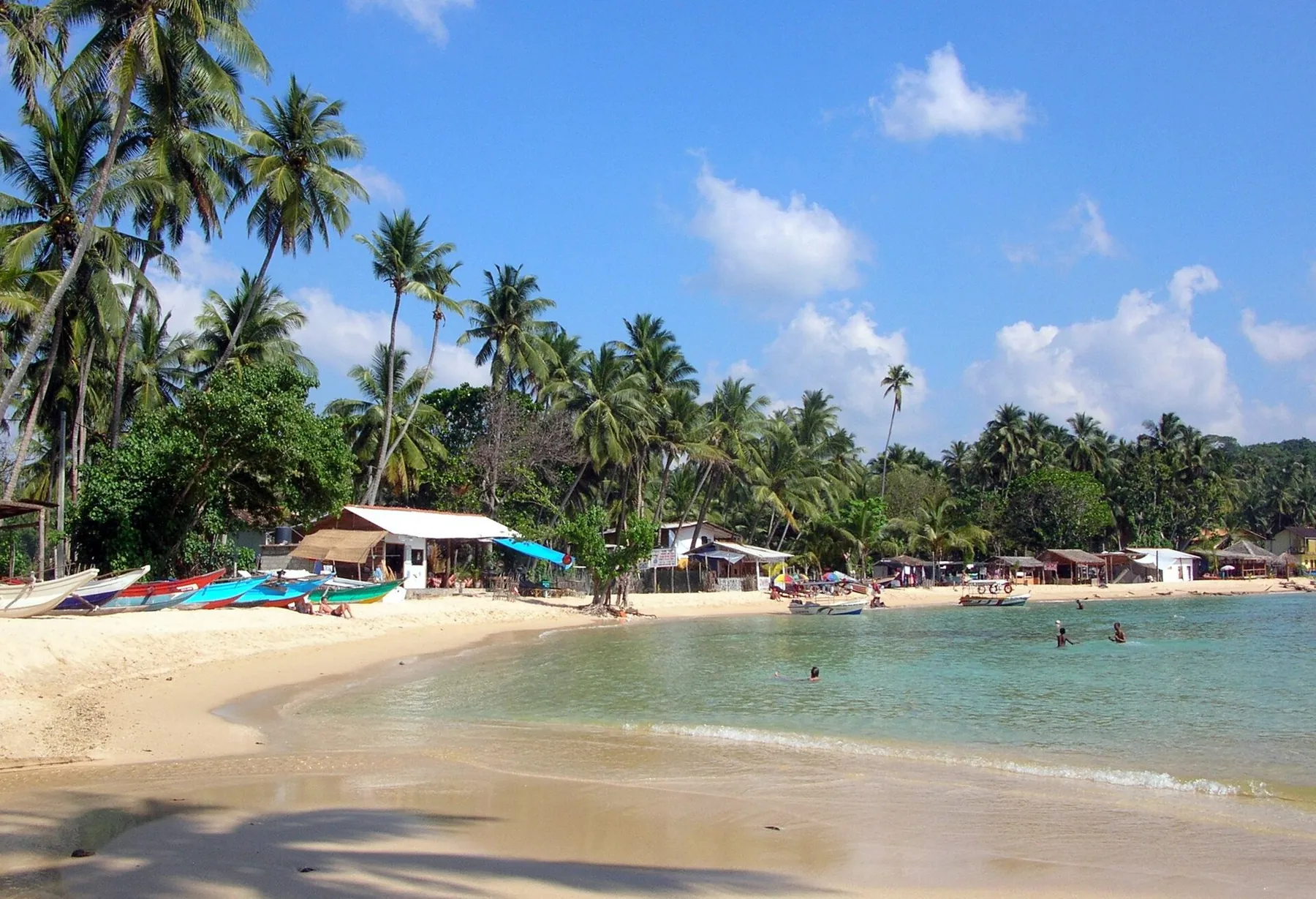
Unawatuna
A reef-sheltered, semi-circular bay about 5 km south-east of Galle, with Rumassala hill, Jungle Beach and wreck dives next door. Best from December to March on the long-term rain record.
Places for diving & snorkeling
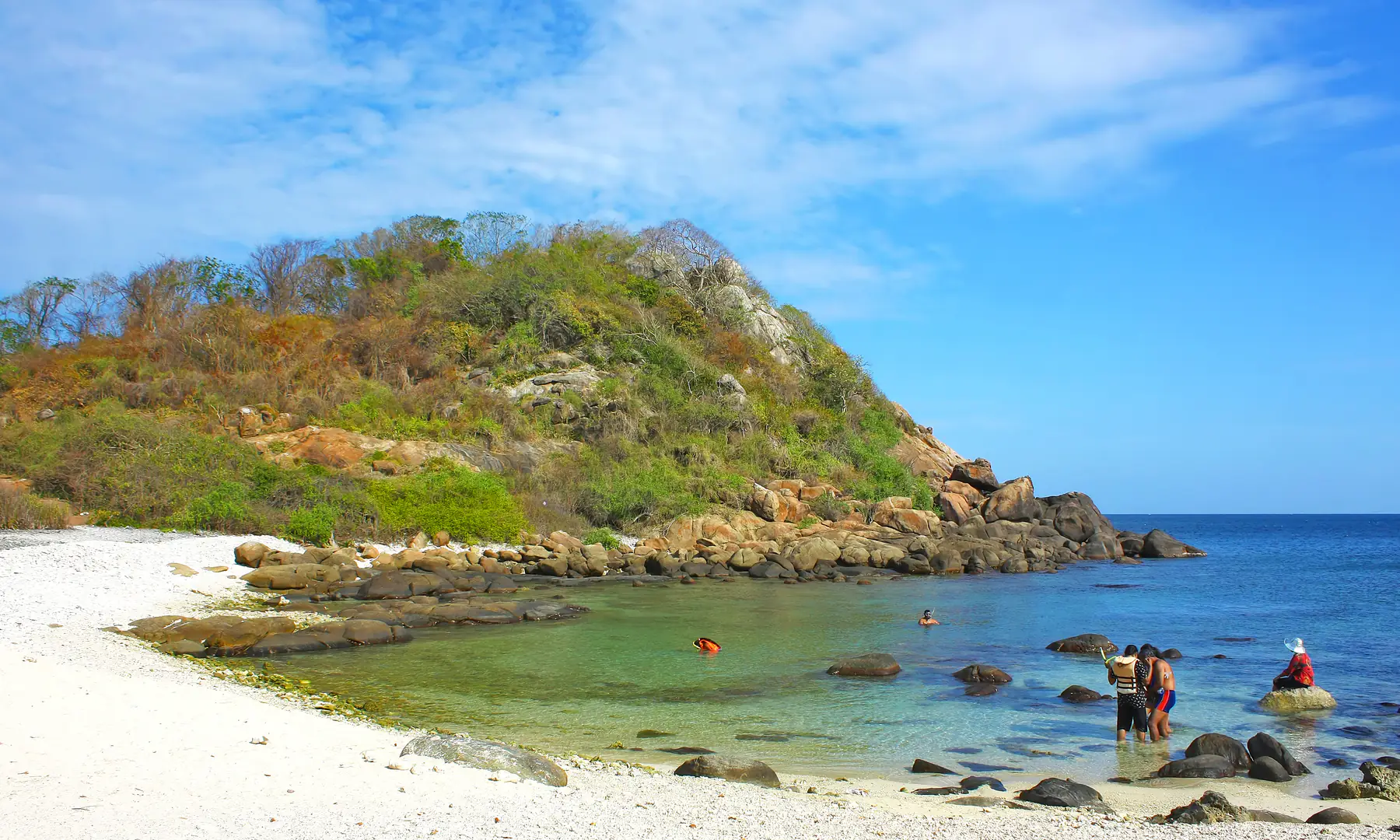
Pigeon Island National Park
A marine national park off the Trincomalee coast where access, permits and sea conditions need current checks.